
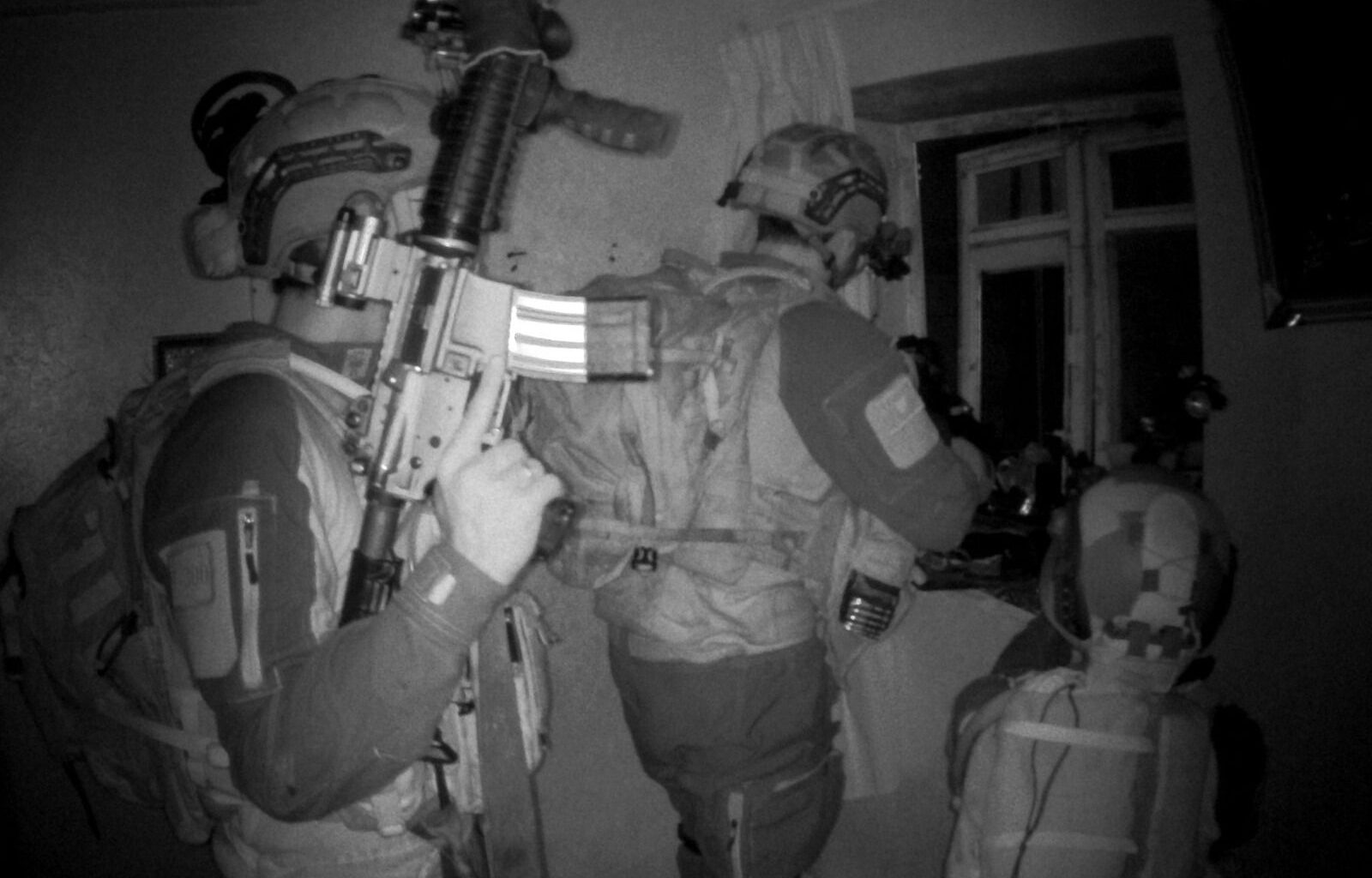
A 29-year-old Israeli army combat medic, formerly an Orthodox Jew, attempted to take her own life last week after more than 200 consecutive days of reserve duty since the outbreak of the war.
Her story, made public Monday by Israel’s Kan news channel, sheds light on the growing psychological toll experienced by reservists amid what many describe as inadequate institutional support.
The medic, who has responded to every reserve call-up since October 2023, had been serving in the West Bank. As early as March, she reached out for help from various support services, including the Ministry of Defense’s rehabilitation division, but said she received no effective assistance despite worsening mental health symptoms.
A particularly traumatic experience occurred during a mission in which her unit came under attack by Palestinians throwing stones and Molotov cocktails.
Her partner recounts that she was left exposed and vulnerable, lacking proper protection and support. “She wasn’t part of the organic force. She felt alone during the assault,” he said.
During her “reintegration days”a period intended to help soldiers transition back into civilian life she left a heartbreaking farewell letter:
“I ask forgiveness from all those who loved me. The pain was unbearable. I tried everything to go on, but I no longer had the strength.”
Her partner, alarmed by a phone call, found her unconscious and seriously injured, and called emergency services. She was hospitalized, and a psychiatrist recommended placement in a closed psychiatric facility, an option she initially declined.
Still battling suicidal thoughts three days later, she sought voluntary hospitalization. She and her partner went to three different hospitals, each of which refused to admit her. Only after intervention by a soldier support organization was she finally admitted to a psychiatric ward.
“When the state needs me, I always show up,” she later said. “But when I need them, even once, they abandon me.”
The Ministry of Defense responded, stating that since October, approximately 10,000 individuals suffering from psychological distress have been treated by its rehabilitation division, many in extremely challenging conditions. The ministry called it an “unprecedented volume” that poses a “national challenge.”