

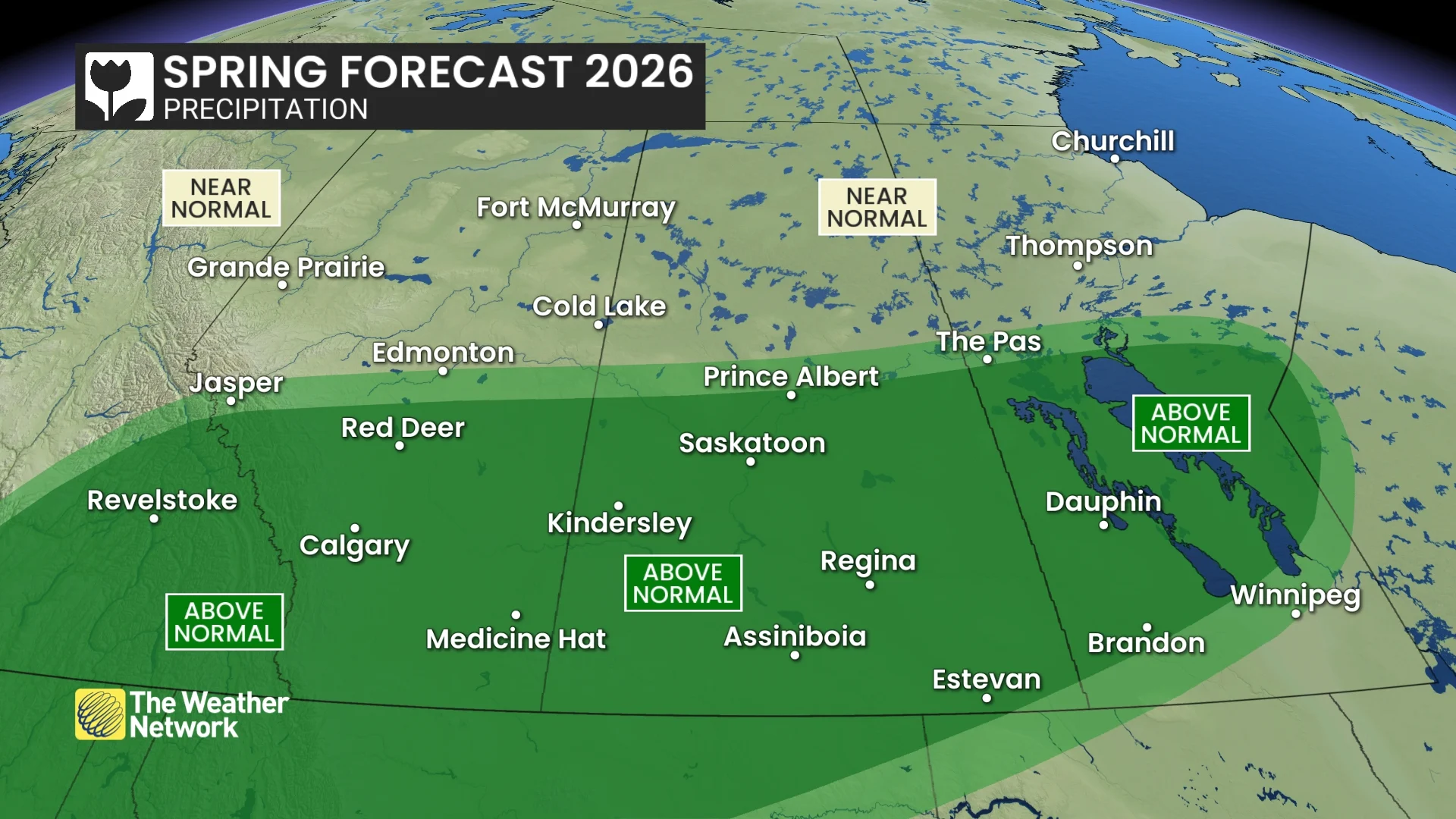
Early spring will continue to feature changeable temperatures, but colder-than-normal conditions are expected to dominate during March and April. Chilly temperatures, and above normal precipitation (including more snow) could impact preparations for spring planting. However, spring could finish strong with a warmer and drier pattern developing during May.
Ontario
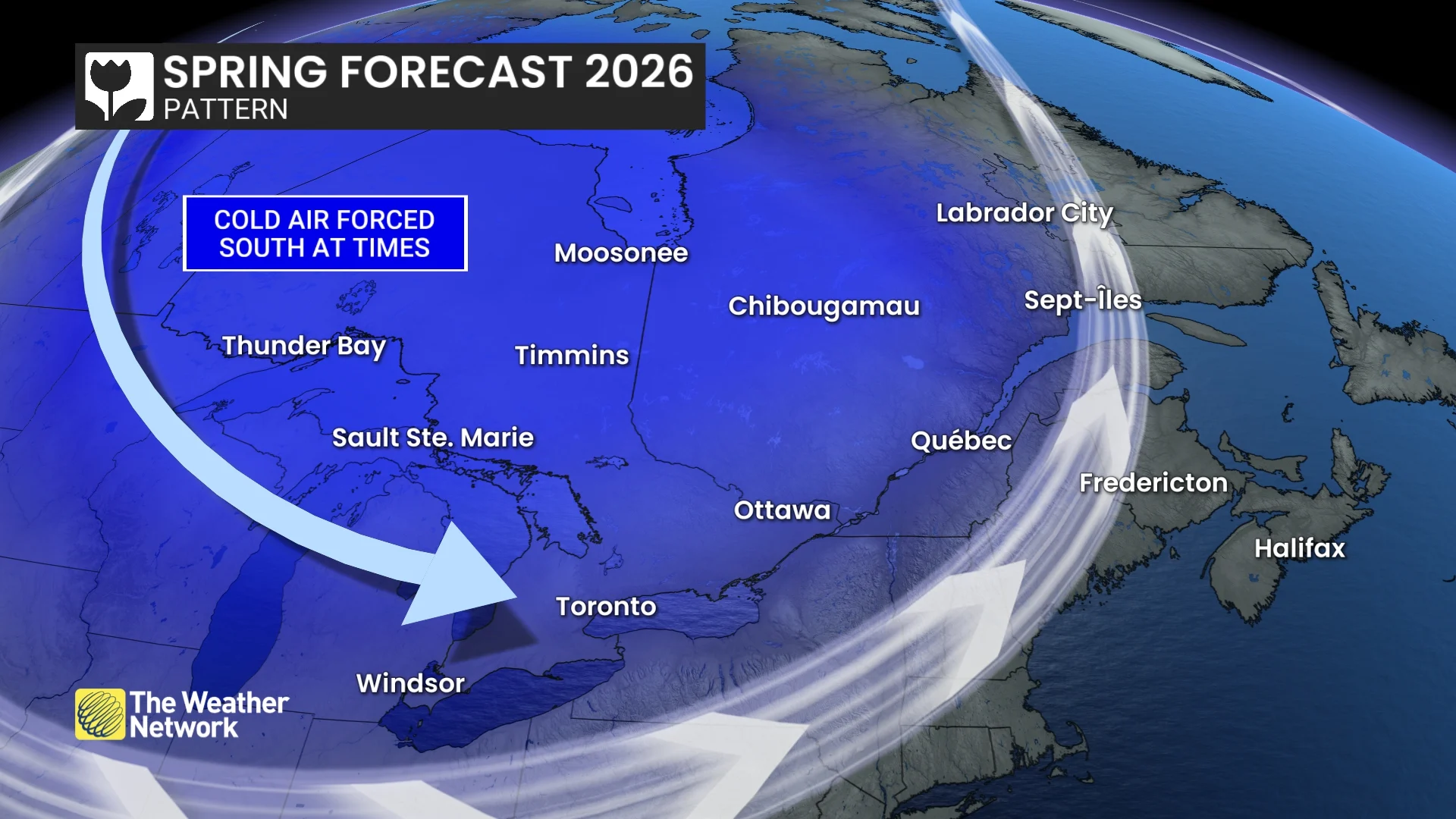
Winter started early, and it does not appear to be in a hurry to leave as a sluggish start to spring is expected. Periods of mild spring weather are still expected, but warm weather will lack commitment through March and well into April. It appears that the mild spells will be offset by periods of colder weather. This should extend the ski season, but it could also delay the start of the growing season.
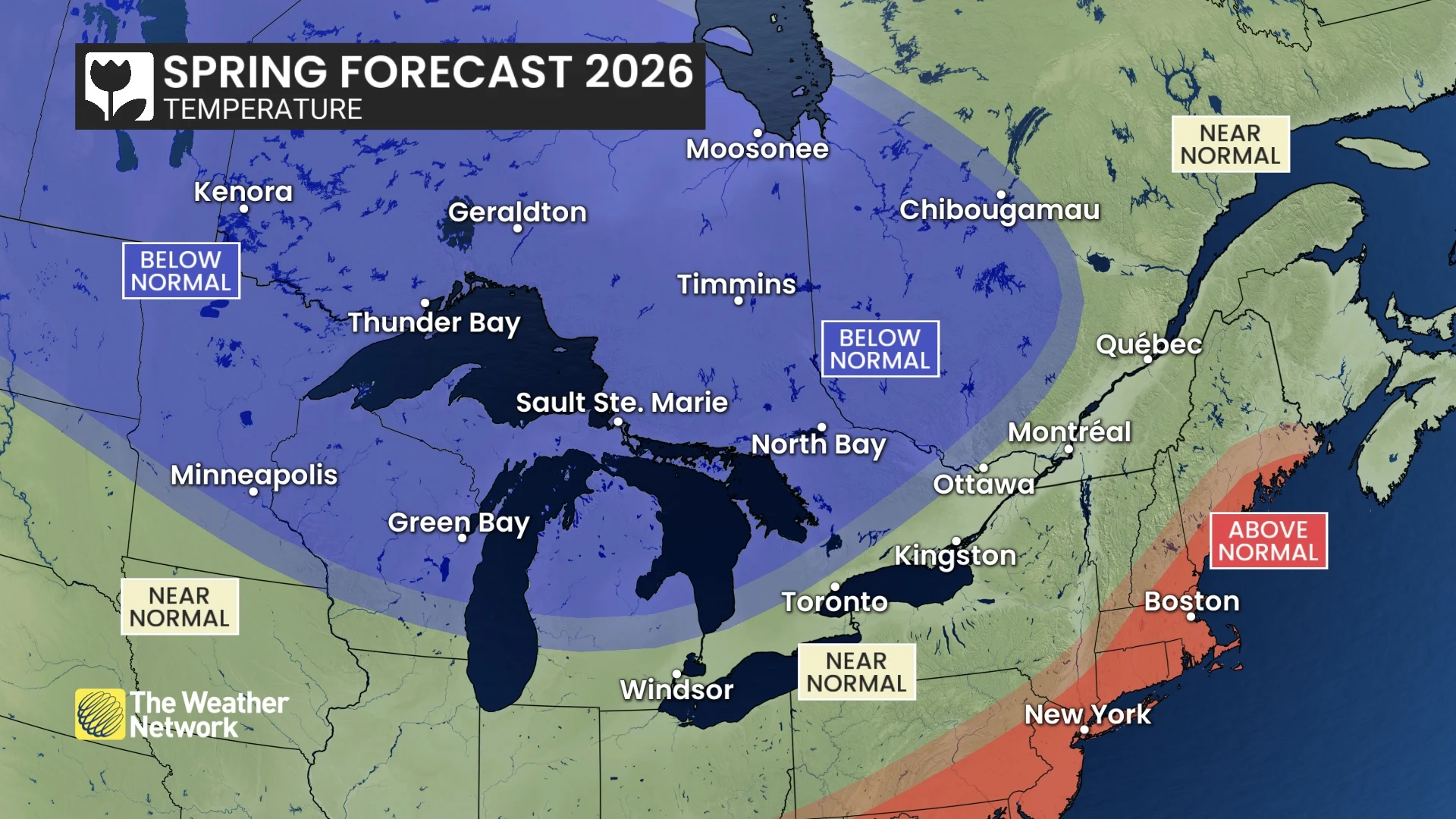
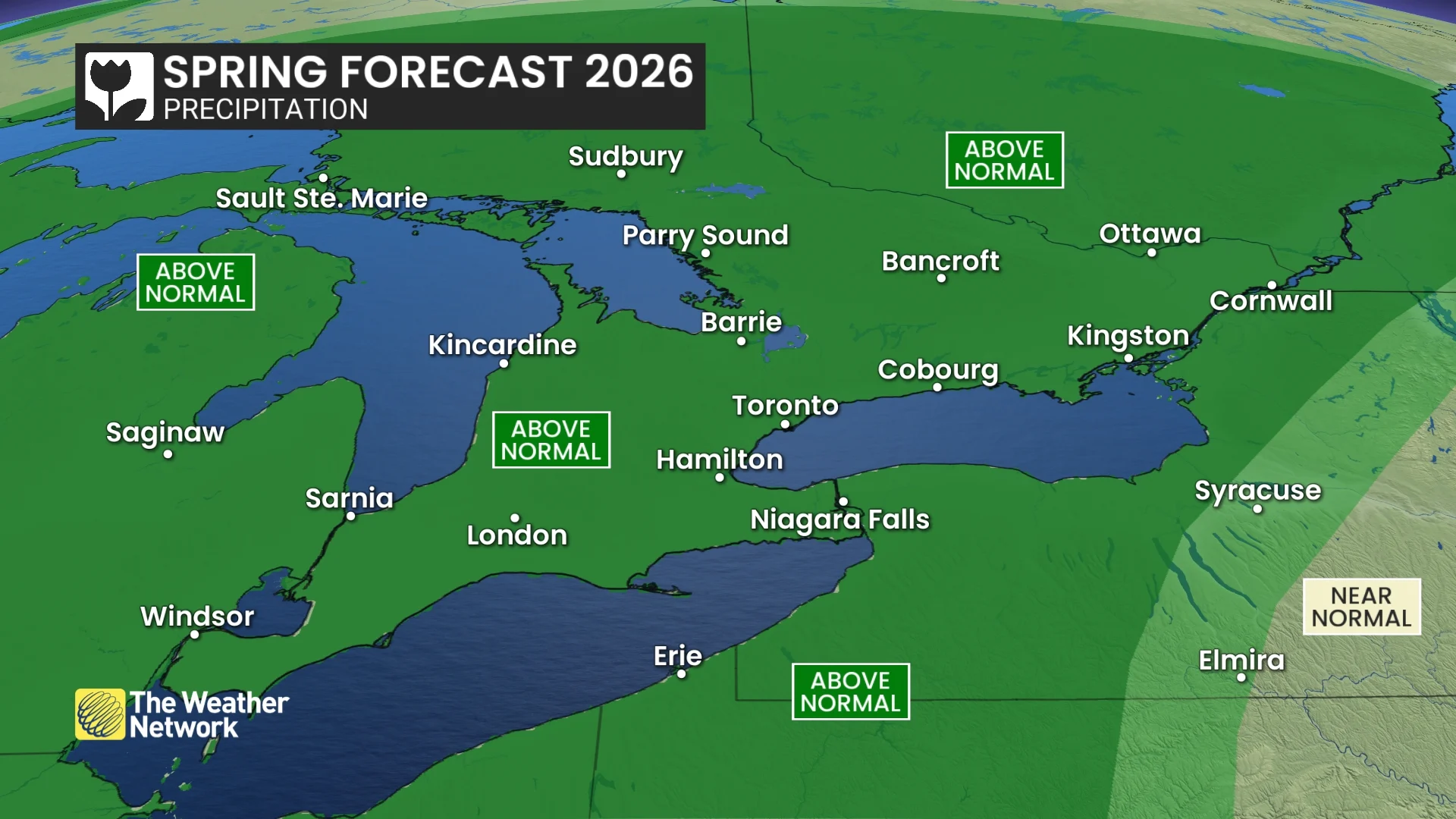
Near normal or above normal precipitation is expected through at least April. No doubt this will include more snow and ice for much of the province including Toronto, Ottawa, and Thunder Bay. This could could have some impact on preparations for the start of the spring planting season.
However, as we look ahead to May, we are seeing strongly conflicting signals as to how the spring will continue to unfold. It is possible that a cooler pattern will dominate during much of the month of May. We are also watching the potential for a pattern reversal, which could result in a rather quick transition to early summer-like weather.
WATCH BELOW: How Greenland’s weather impacts OntarioQuebec
Winter started very early this year, and it appears that it will finish strong with colder-than-normal temperatures forecast to dominate during March, and well into April. Very warm weather over the eastern U.S. will surge north at times and bring tastes of pleasant spring weather, but overall we expect a sluggish start to the season. This should allow for an extended spring ski season.
An active pattern through March and April should bring above normal precipitation totals (including snow, ice and rain) to western and southern parts of the province, including Montreal, and Quebec City.