
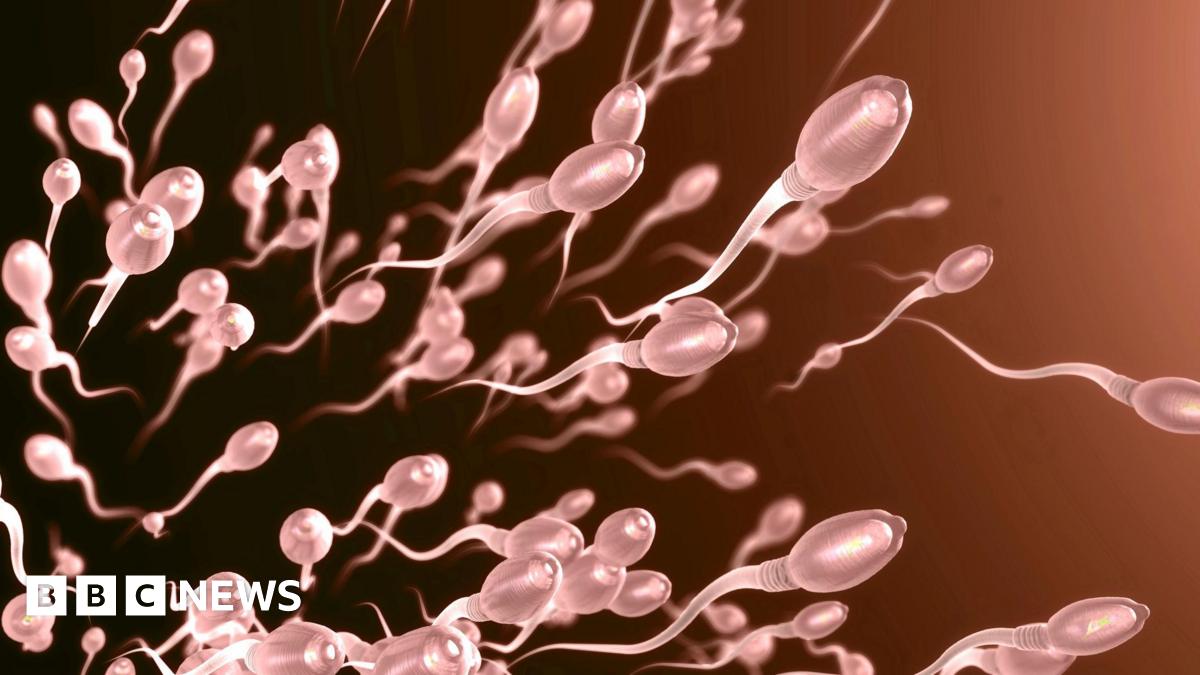
The study, published in the journal Reproductive Biology and Endocrinology, suggests that sperm’s motility levels remain consistent across different climates, instead changing with the seasons.
Levels were lowest in December and January, even though Florida remains warm all year round.
But scientists found no changes in the total sperm concentration – the amount of sperm in someone’s semen – or the ejaculate volume, how much semen is ejected during ejaculation, no matter the season.
This means that while sperm’s ability to move effectively does vary by season, the time of year doesn’t impact the number of sperm produced.