
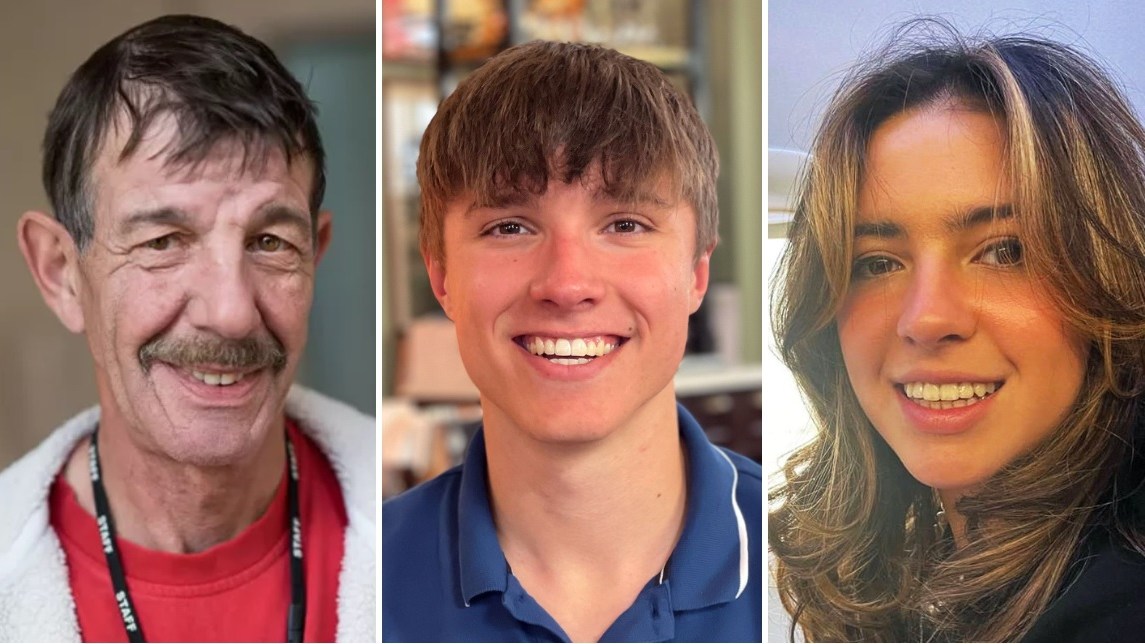
Nottingham university counsellors were worried that Valdo Calocane, the Nottingham triple killer, might experience “stigma” when returning to his studies after an earlier violent incident, a public inquiry was told.
Students held hostage by Calocane were also forced to move out of their private university accommodation, while he was able to stay put after attacking and trapping them. This meant five students had to move out during their exams due to fears that he would become more dangerous if disturbed.
Eleanor Turner, the head of counselling at the University of Nottingham, was concerned that Calocane “may experience stigma” when returning to his studies after being sectioned two years earlier. He had broken into a neighbour’s property, frightening her so badly she jumped from a window and broke her back.
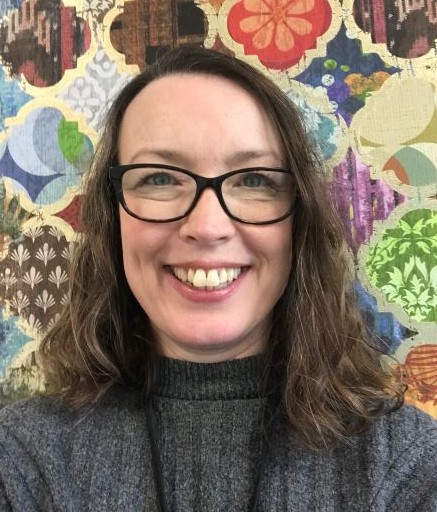
Eleanor Turner, head of counselling at the University of Nottingham
Another senior university official said she was “irritated” at the suggestion, by lawyers for bereaved families, that they did not do enough.
The Nottingham public inquiry is examining the preventability of Calocane’s June 2023 attacks in which he fatally stabbed Barnaby Webber and Grace O’Malley-Kumar, 19-year-old students, and Ian Coates, 65.
Police had repeatedly failed to arrest or charge him despite a string of violent attacks, and he had been discharged from NHS mental health services even though doctors knew he was dangerous and was not taking his medication.
Turner, who runs the university’s mental health advisory service, first became aware of Calocane in May 2020.
Calocane, who was studying mechanical engineering and graduated in 2022, had experienced his first psychotic episode when he tried to batter down a male neighbour’s front door. An NHS mental health team did not section him after considering research about the disproportionate detention of young black men.
Within an hour of his release he broke into a female neighbour’s flat. She broke her back in three places when she was so terrified she jumped out of the first-floor window.
Turner, who was in touch with Calocane’s mental health team at Nottinghamshire Healthcare NHS Foundation Trust, was not told about the first break-in but knew about the female victim.
She was unhappy that Calocane’s discharge plan involved him going back to the private flats, and pushed for him to go and stay with his family in Wales where he could recover, an option rejected by the paranoid schizophrenic.
If Calocane stayed in Nottingham, “I was concerned that [he] may experience stigma around what had happened”. She was not “particularly worried” about further violence to others because he had recovered on a psychiatric ward and “first onset psychosis is often an isolated development”.
Rachel Langdale KC, counsel to the inquiry, asked whether a break or withdrawal in studies should have been considered by the university given Calocane’s violent attack and the potential risk to its students.
Turner said that Calocane’s studies were a “protective factor … I think withdrawal from studies could have had the opposite effect. It was something that he felt motivated to complete. Something he enjoyed that gave him routine.”
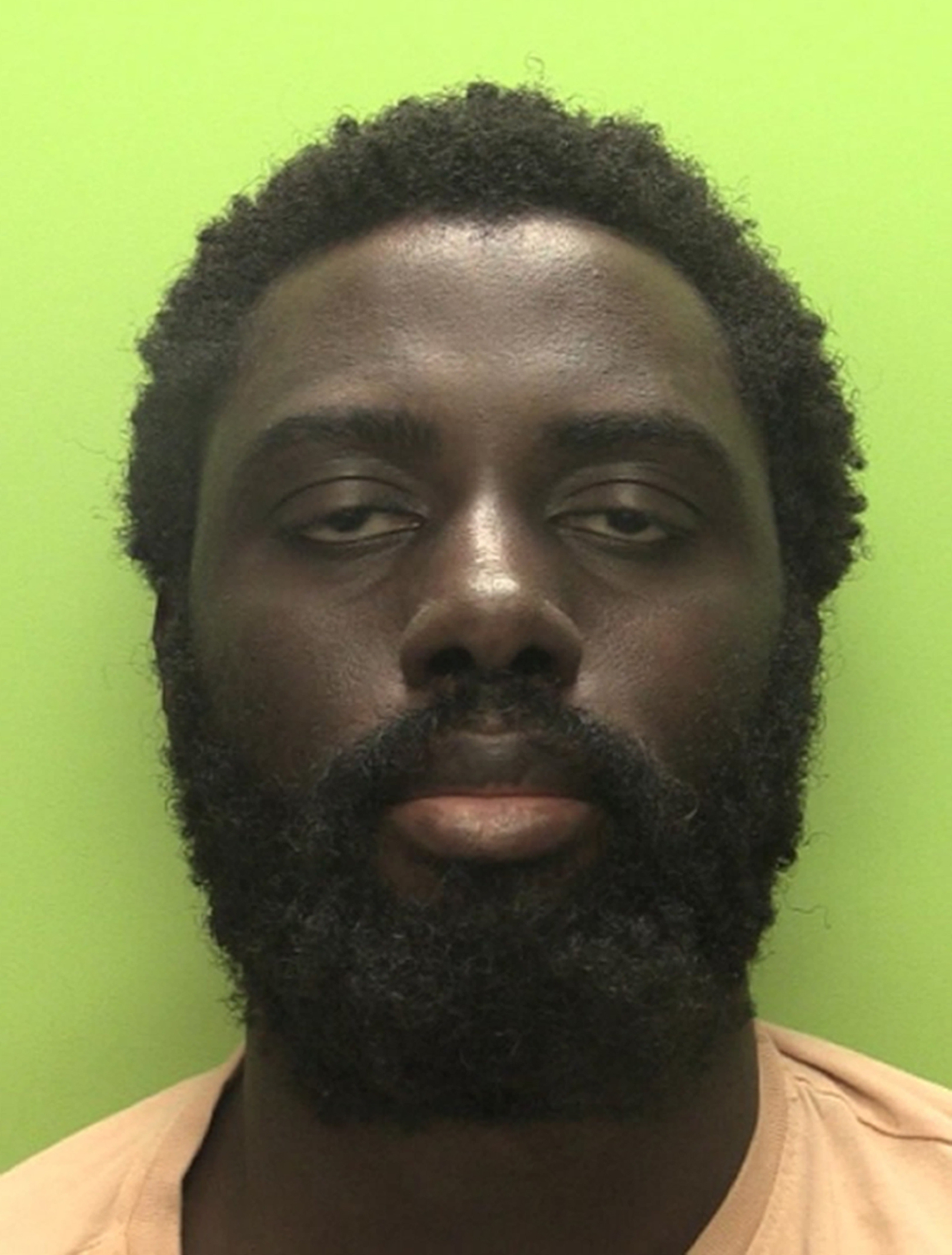
Valdo Calocane
NOTTINGHAMSHIRE POLICE/PA
The inquiry was told that Turner did not have the full picture of Calocane’s prior offending and that medical information was withheld from the university’s counselling team because he did not want to engage.
By January 2022, when he had been sectioned twice more, Calocane had moved into private university accommodation with flatmates.
He was reported to the police twice in the same night when he tried to punch a flatmate and placed him in a headlock, and later that evening held two flatmates hostage in the flat. Langdale said video of the incident showed “how they are prevented getting out of their own flat and how distressing the whole situation is”. Calocane’s five flatmates became so scared that they wanted him removed, but they had to leave.
Turner, who was lobbying the NHS for a fresh mental health assessment of Calocane, said: “The reason we asked the students to move out is because my impression at that point is that we have somebody who can pose risks, has disengaged from healthcare, hasn’t been compliant with medication and I was concerned about risks to those students.
“I think had we asked [Calocane] to move that would have potentially increased the risks to those students. We knew that [he] could experience delusions around people in accommodation. I felt that moving the flatmates was the least worst option given where we were and that moving [Calocane] could potentially increase risk to those flatmates, which I wanted to avoid.
“I have all sympathy for those students. Like you say they are in the middle of exams. Highly disruptive, highly scared, what happened is really, really frightening. Looking back I still feel it was the right course of action.”
Claire Thompson, who was associate director of student wellbeing at the time, said that because it was private student accommodation, “we couldn’t move him out”. She said that Turner was trying to get the mental health team to engage so that Calocane could get help and treatment.
She said that she was “irritated” at the suggestion the university did not do enough about Calocane as it was “difficult decisions under difficult circumstances with incomplete information”, and while such events were tragic they were also very rare.