
Sea lovers, surfers and coastal businesses are coming together to sue South West Water (SWW) over the impact sewage pollution has caused them.
Law firm Leigh Day says it is building a class action-type legal case against the water giant over incidents of sewage pollution in Newquay and Penzance as well as Exmouth, Budleigh Salterton and Lympstone in Devon.
The firm said the claim has the potential to be as big as the environmental legal claim it is currently launching over pollution in the Wye Catchment against Welsh Water and Avara Foods poultry group.
The firm said: “This is the first environmental group legal claim by a coastal community against a water company to tackle sewage pollution in the UK.”
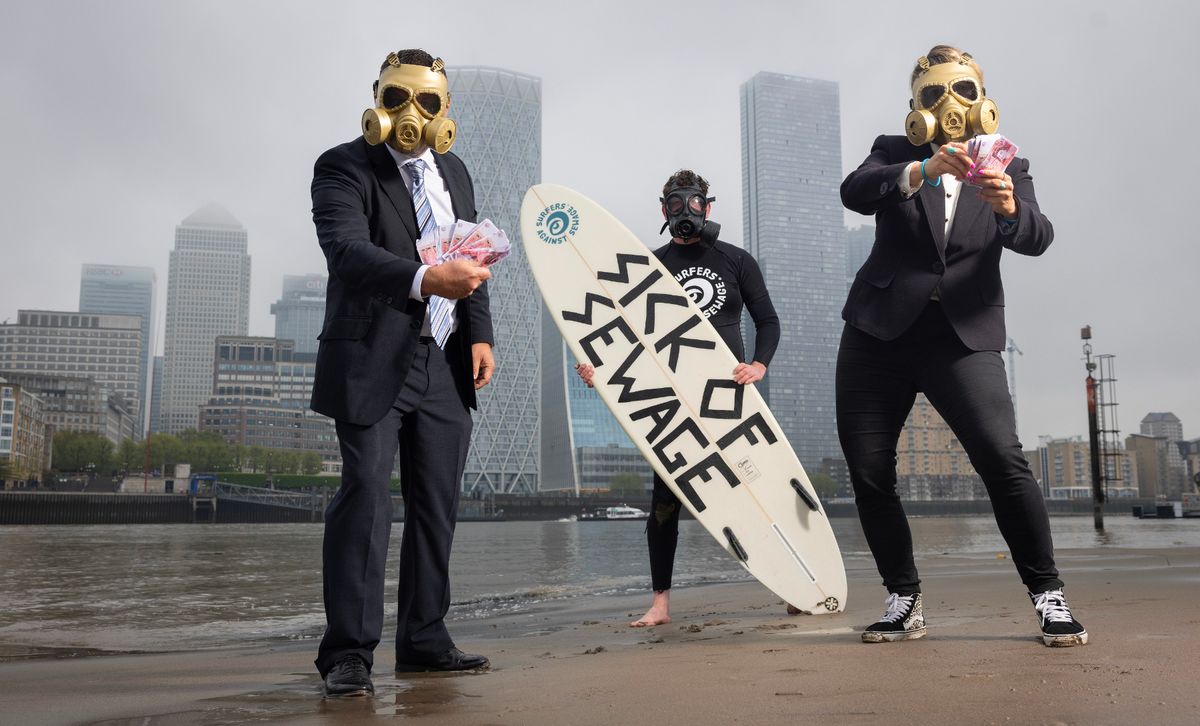
Surfers Against Sewage protesters in London
The law firm argues that SWW’s failings are wide and entrenched in many coastal towns in the region with a report from water regulator Ofwat identifying “systemic failings” by the water company.
Devon and Cornwall combined have more than 900 miles of coastline, 150 designated bathing water sites and numerous protected areas. The region’s sewerage system is managed by SWW, which in 2024 was reported to have discharged 544,429 hours of untreated sewage into the region’s seas and rivers.
The water company was also recorded as one of the sector’s worst performer for sewage pollution incidents in 2024. Last year it tried – and failed – to stop a court case over illegal sewage spills.
Community members represented by law firm Leigh Day call for the water company – which has this week featured heavily in the Channel 4 drama Dirty Business about the industry’s pollution and sewage dumping over decades – to be held accountable for sewage pollution, as the company is ranked the lowest performing water company since rankings began in 2011.
Members of the community allege that the pollution has negatively impacted businesses in the area, many of which are reliant on tourism, as well as impacted people’s homes and disrupted people pursuing activities such as wild swimming, surfing, paddle boarding, windsurfing, sailing and visiting the beach.
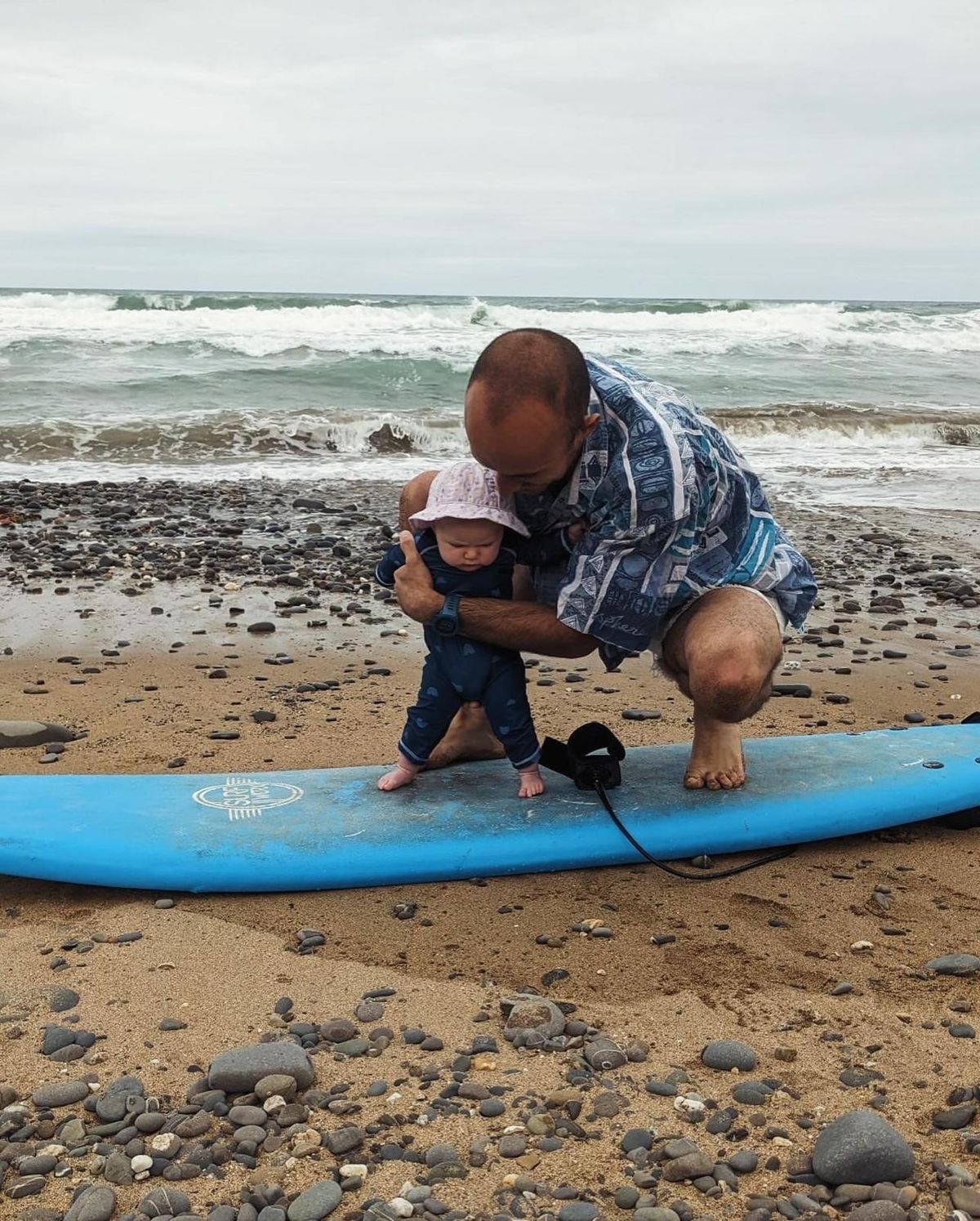
Reuben Santer developed a chronic illness after surfing in polluted water
People impacted by sewage pollution in Dawlish, Sidmouth, Teignmouth as well as Newquay and Penzance in SWW’s network may now be eligible to join the legal action.
Leigh Day partner Oliver Holland, who leads the claim, said: “This marks an important step in the claim, with the letter before action setting out in detail the reasons why legal action is being taken, and expanding the scope to cover Devon and Cornwall more widely.
“South West Water has a track record of very poor environmental performance, and my clients allege this has badly impacted their lives and livelihoods.
“By outlining my clients’ claims and expanding in this way, we are ensuring anyone who feels they have been impacted by sewage pollution in Dawlish, Sidmouth, Teignmouth, or at Longrock beach or Fistral beach in Cornwall, has the opportunity to take action.”
The claim was launched in 2024, following legal action taken by wild swimmer and Exmouth resident Jo Bateman against SWW.
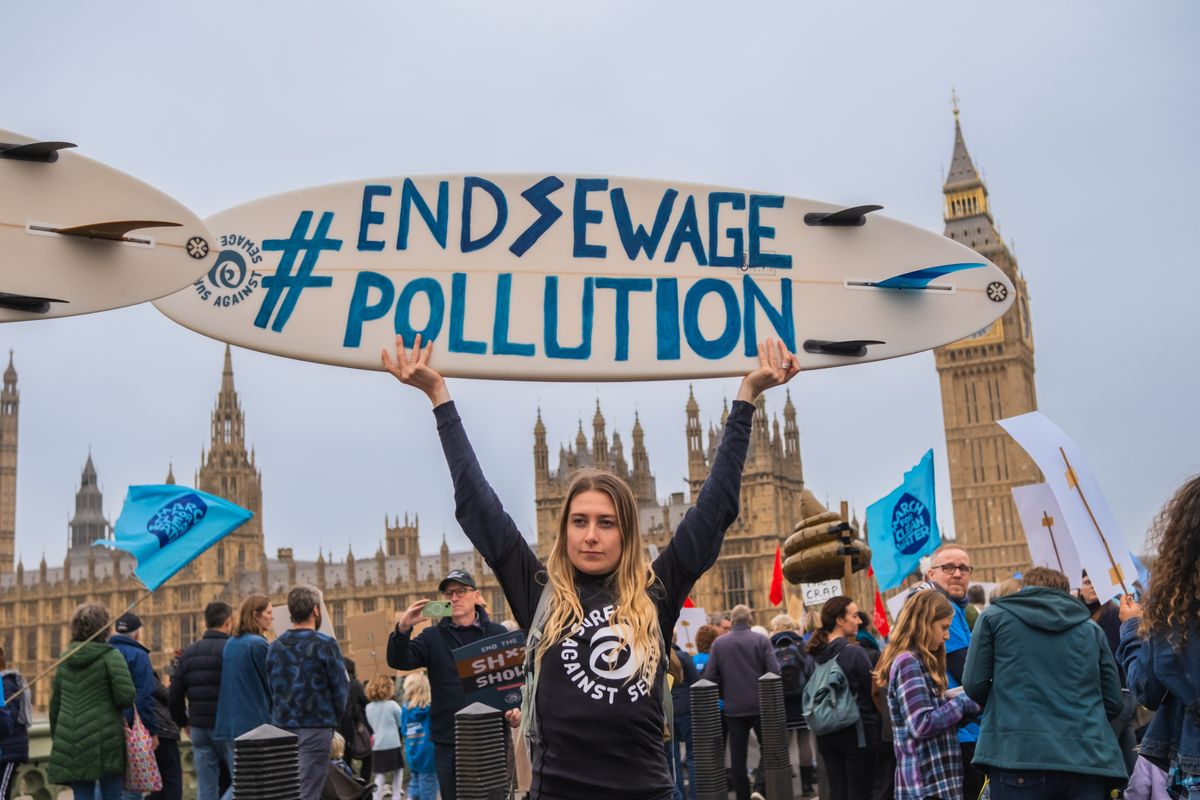
Anti sewage pollution campaigners outside the Houses of Parliament in London (Image: Amit Rudro2024)
More than 1,400 clients from the Exmouth, Lympstone and Budleigh Salterton areas, so far have joined the claim, with both individuals and businesses objecting to SWW’s management of the region’s sewerage network and particularly its repeated use of combined storm overflows (CSOs), which trigger bathing alerts and beach closures, preventing people from using the coast, which is central to public life in the area. CSOs combine household sewage and run-off from land and are legally allowed to let it into the sea or rivers when the system is at risk of backing up into homes, such as after heavy rain.
Individual claimants argue that sewage discharges have impacted them personally in private and public settings. For example, someone with disabilities who relies on being able to swim in the sea but has been unable to do so due to pollution, or a person whose home has been affected by repairs to sewerage systems.
Business claimants allege that their livelihoods have been impacted by sewage pollution. This includes water sports businesses impacted by cancellations due to the pollution, as well as sea-front businesses reliant on tourism which say they have suffered a loss of income and investment.
The claim is being brought on grounds of public and private nuisance, in that discharges as a result of CSOs, burst pipes or other network failures have negatively impacted people’s lives, livelihoods or property.
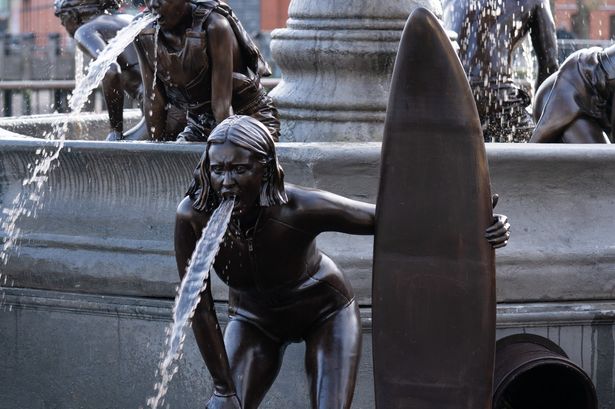
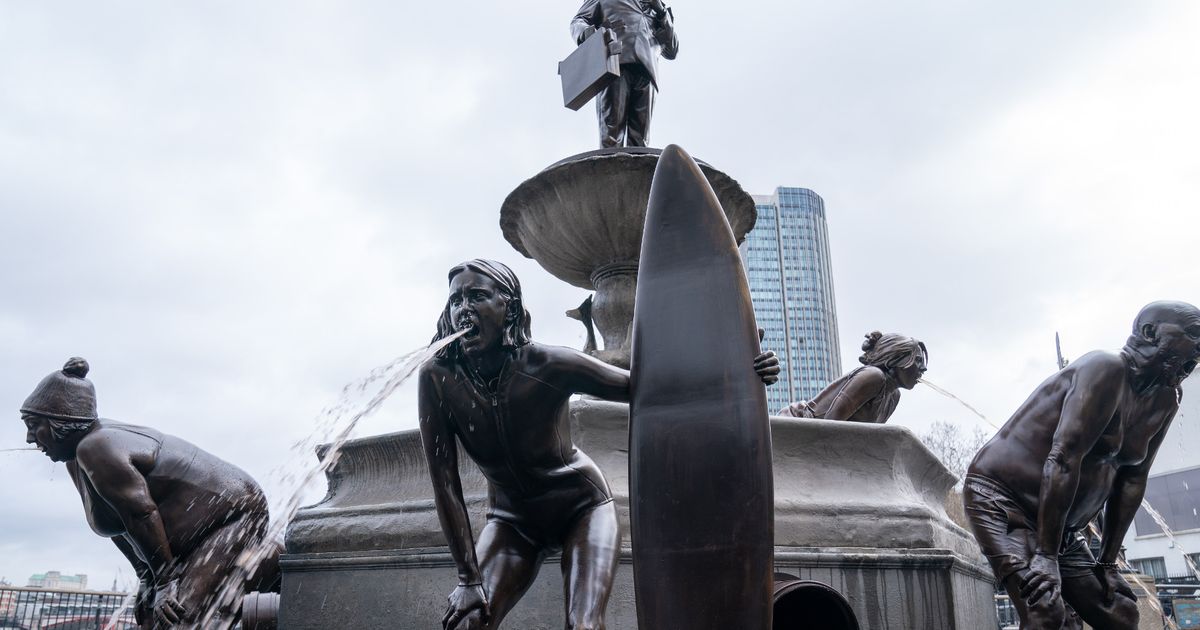
Channel 4 unveiled the Fountain of Filth installation on London’s South Bank with statues of men, women and children vomiting murky brown water, a sickening reflection of the real experiences.(Image: imagecomms)
While full figures aren’t yet available for 2025, more than 1,000 sewage discharges by SWW were recorded in three days during February.
Untreated sewage is discharged via CSOs which are located across the sewerage network and discharge when sewage treatment works are at capacity. The untreated sewage is then pumped into rivers and coastal areas. Portreath in Cornwall is a regular when it comes to sewage flowing into the sea.
Want to see more of the stories you love from CornwallLive? Making us your preferred source on Google means you’ll get more of our exclusives, top stories and must-read content straight away. To add CornwallLive as a preferred source, simply click here. Or read more about selecting your preferred sources.
This kind of claim is allowed for by a Supreme Court judgment from 2024, which held that claims against water companies for nuisance caused by sewage discharges in public waterways can now be brought.
SWW, which last year announced a £13bn investment in the region, said it is aware of the legal action against it. A spokesperson said: “We are aware of this claim and whilst we are unable to provide a further comment at this time, like all our customers, we care deeply about the quality of our region’s bathing waters and fully understand how important this is to residents, businesses and visitors.”
The legal case comes as pressure is mounting for water companies to be renationalised.
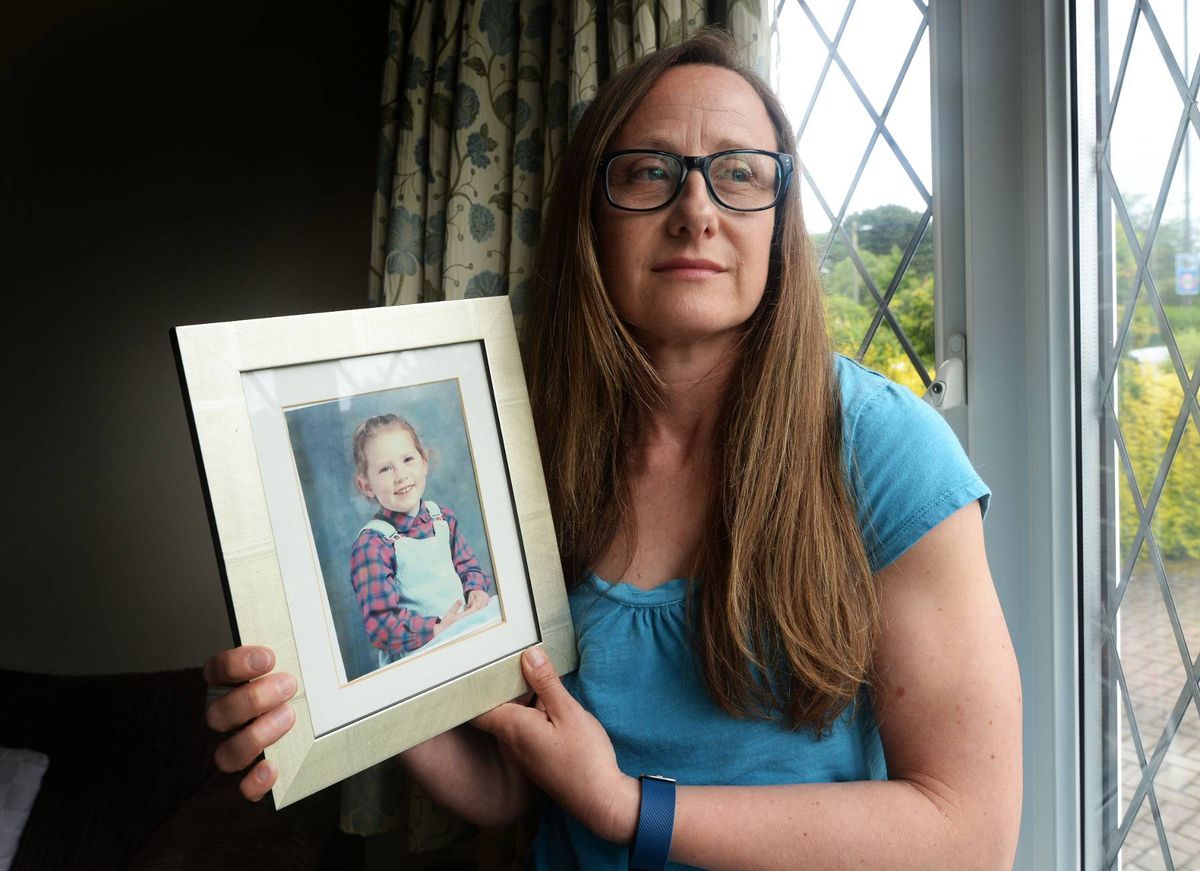
Julie Ryan with a picture of her daughter, Heather Preen.(Image: Birmingham Mail)
Environmental campaign group Surfers Against Sewage, which is based in St Agnes, has been urging the Government to take back control of water companies and restructure them to remove the profit motive, considering all options, including public ownership, and ensure they operate in the interests of people and the environment.
The call for drastic action to be taken to sort the sewage mess, coincides with the broadcast of Channel 4’s three-part factual drama Dirty Business.
According to SAS data, 124,717 hours of sewage poured into England’s bathing waters in 2025, with 1,236 people reporting sickness after using the water. Some 74 per cent of cases were recorded at bathing waters classified by the Environment Agency as ‘good’ or ‘excellent’.
SAS said that so far in 2026, English water companies have dumped sewage into bathing waters for a combined 46,141 hours. That’s equivalent to 1,922 days or five years.
The campaign group said that in the 34 years since privatisation, the water industry has accumulated a debt pile of £73bn whilst paying out dividends of £88.4bn.
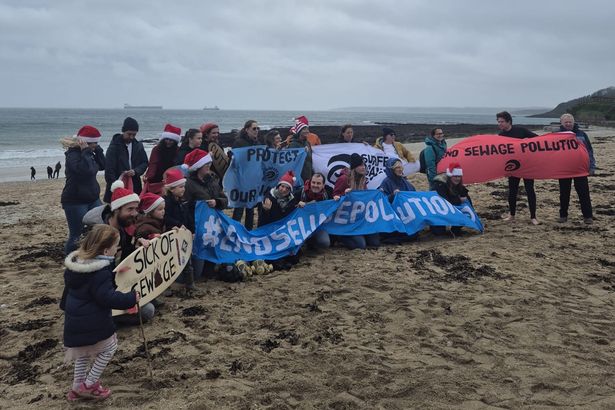
A Santas against sewage swimming event held at Gyllyngvase beach in Falmouth and organised by Surfers Against Sewage had to be called off because of sewage pollution in the sea(Image: Jess Morris)
Seven-year-old Willow Clarke contracted cryptosporidium in 2025 after swimming in Cornwall. Willow was severely unwell for 12 days, and the incident left a long-standing impact.
Reuben Santer said developing a chronic illness after surfing in polluted water has changed his life. He said: “What began as frustration at missing a few winter swells became something permanent: surgery, ongoing treatment, and the grief of losing the identity I built around the sea.
“How does this happen in a wealthy country in 2026? Since water privatisation, companies have paid out billions in dividends while infrastructure lags. Sewage overflows are routine, and surfers now check pollution alerts as carefully as tide charts. I’m sick of it. This isn’t bad luck – it’s the predictable result of monopoly providers prioritising shareholder returns over public health.
“Reforms barely scratch the surface. Costs of overdue upgrades fall on households, while dividends and debt persist. We deserve rivers and seas that don’t make us sick, and a water system built for people and the environment, not profit.”
Julie Maughan is the mother of eight-year-old Heather Preen, who in 1999 contracted E-coli on a Devon beach and died two weeks later. She too features in the docudrama.
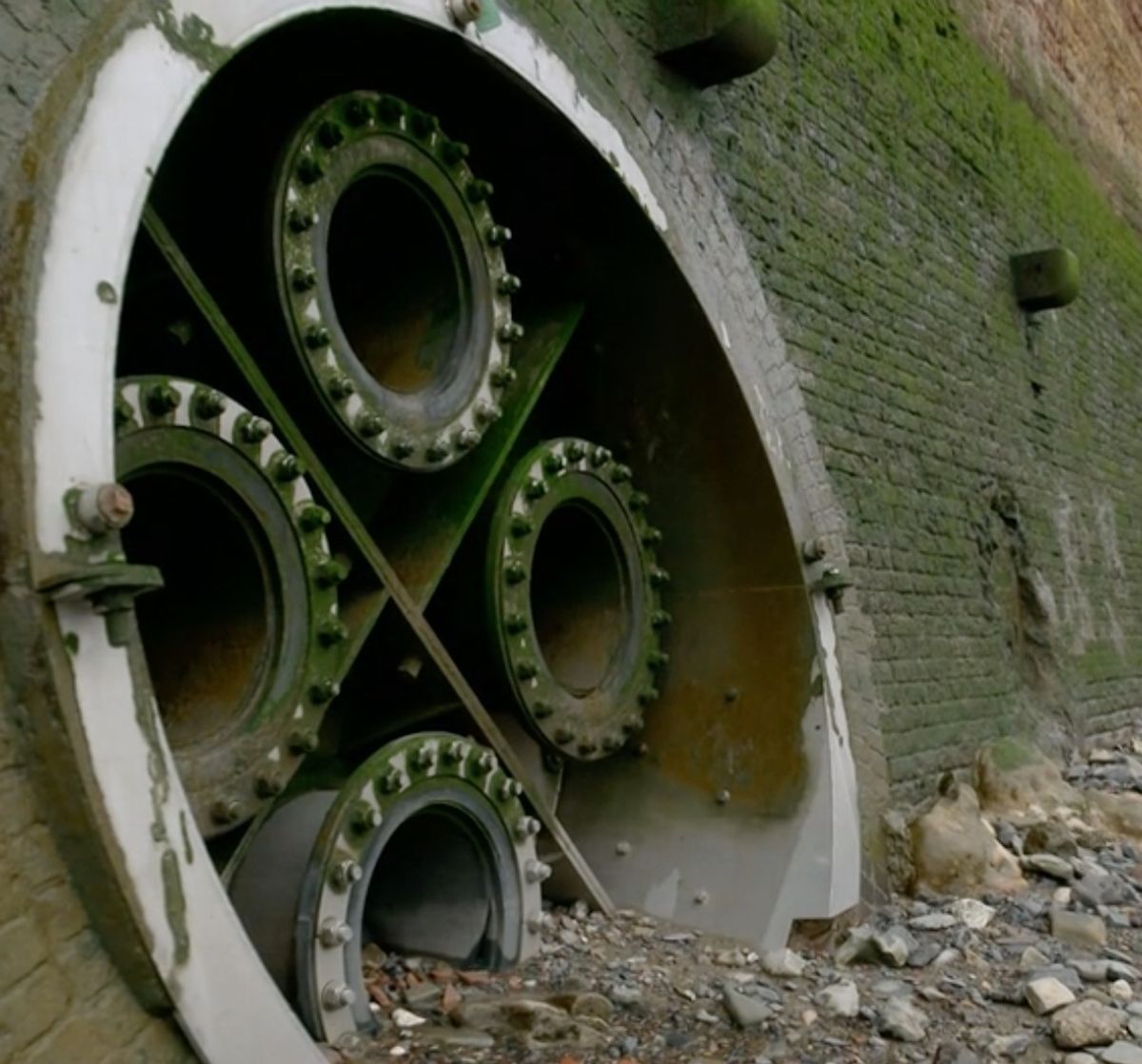
File picture of a storm overflow pipe (Image: BBC Panorama)
She said: “My daughter Heather was eight years old when dirty water killed her. She was a fun-loving little girl who knew only love, happiness and friendship. That summer we went on holiday as a family of four and came home as a family of three.
“That is the reality of what polluted seas and rivers can do to our children, and why it’s so important that real action, not hollow words, is taken to end sewage pollution. Water companies tried to deflect blame for Heather’s death and twenty-seven years later they are still pumping sewage into our waterways. They cannot be trusted to protect our health.
“After all this time, all the government has done is publish plans that continue to protect investors and shareholders, not the children swimming in our seas and rivers.
“There is nothing in those plans that would have saved Heather. Nothing that will stop this happening to another family. That is not good enough. I will not stop until no other parent has to live with what I live with every single day.”
Giles Bristow, Surfers Against Sewage chief executive, said: “Dirty Business tells the truth the water industry has spent thirty years trying to bury. A girl is dead.

“Thousands are still getting sick. And what does this Government offer? More of the same. Its hollow reform plan, laughably called ‘once-in-a-generation,’ tinkers with regulation while protecting the ruthless pursuit of profit. That is an insult to everyone who has suffered, and every bill-payer forced to foot the bill for this scandal.
“For three decades, millions of hours of sewage have been dumped into the nation’s waters while millions in payouts have been siphoned off. But this isn’t about data and statistics. It’s about Heather. It’s about Reuben.
“A mother in surgery after a swim. A surfer gambling with his health. A child rushed to hospital after a day at the beach. Real people, still suffering, while shareholders get richer. You cannot put a price on clean water. But this Government has. And we are all paying it.
“The human and environmental cost of the water industry’s corporate greed has just been exposed for all the nation to see. The system is rigged for profit from the top to the bottom. Prime Minister, profiting from pollution is wrong. It has always been wrong. Scrap this dirty business now.”
About the Channel 4 Dirty Business docudrama, SWW said: “The loss of a child is devastating and we recognise the lasting impact this has had on those closest to her. At the time, there was an extensive and multi-agency investigation involving public health authorities, the Environment Agency and other relevant bodies.
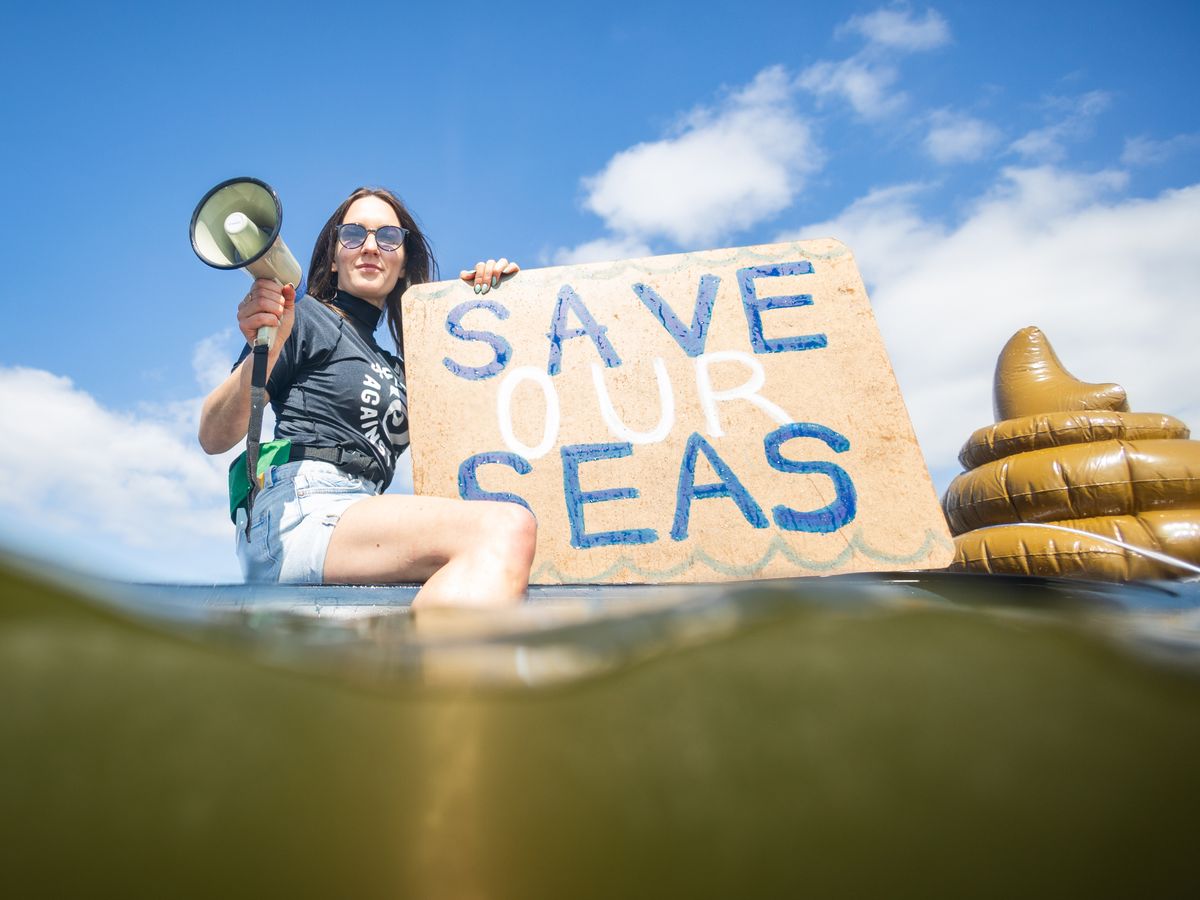
Campaigners against sewage pollution (Image: snap photography)
“The Outbreak Control Team (OCT) report concluded that, despite intensive investigations, no cause for the outbreak was identified. The inquest documentation confirms that no definitive source of infection was established. The inquest report also noted that E. coli O157 is a bacteria commonly carried by animals, particularly cattle and dogs.
“More than 100 environmental and sewer samples were taken as part of the investigation. The specific strain of E. coli involved in the case was not identified in samples taken from the sewer network.
“Despite the thorough and intensive nature of the investigation, no sufficient evidence was found linking the illness to storm overflow activity or bathing water quality.
“The circumstances of wastewater infrastructure and regulation in the late 1990s were very different from today. Since then, significant investment, including through the Clean Sweep programme – which put waste treatment in fort the first time in Dawlish after decades without it.
“We understand that the revisiting of historic events through dramatisation can raise difficult questions. It is important that any discussion reflects the findings of the formal investigations carried out at the time. Our focus remains on protecting public health, safeguarding bathing waters and continuing to improve environmental performance.”
Want the latest Cornwall breaking news and top stories first? Click here to join CornwallLive on WhatsApp and we’ll send breaking news and top stories directly to your phone. We also treat our community members to special offers, promotions, and adverts from us and our partners. If you don’t like our community, you can check out any time you like. If you’re curious, you can read our Privacy Notice