
UN experts, including the special rapporteur on human rights for Iran Mai Sato, stress that internet restrictions and widespread detentions make it “impossible to determine the true scale of the violent crackdown” at this stage.
With a third round of US-Iran negotiations in Geneva ending this week without a final agreement but with the faint signs of progress, Iran is once again entering a phase of profound uncertainty.
Many Iranians fear that a collapse of the talks could trigger catastrophic consequences. Some analysts warn that Iran’s leaders have previously indicated they would risk “a regional war” rather than concede. Some intelligence observers suggest the Islamic Republic could adopt a “madman” posture if confronted militarily, threatening to leave behind “burnt land” rather than allow an uncontested fall.
These concerns are reinforced by reports of ongoing domestic repression. Mai Sato has warned of rising pressure on human rights lawyers and says arrests, intimidation and surveillance have continued long after the major protest wave waned – contributing to what she calls one of the darkest human rights periods in Iran’s recent history. Her repeated calls for “transparency and accountability” reflect the growing international alarm.
On pro-government social media channels, two competing narratives dominate.
One camp expresses cautious optimism, hoping the negotiations will prevent another conflict, and evoking memories of the eight-year Iran-Iraq war and the more recent 12-day escalation war with Israel, which left more than 1,200 people dead and more than 6,000 injured in Iran. Twenty-eight people were killed and dozens injured in Israel in the hostilities.
The other side embraces an apocalyptic framing, insisting that a full‑scale clash between “good and evil” is inevitable, regardless of diplomacy.
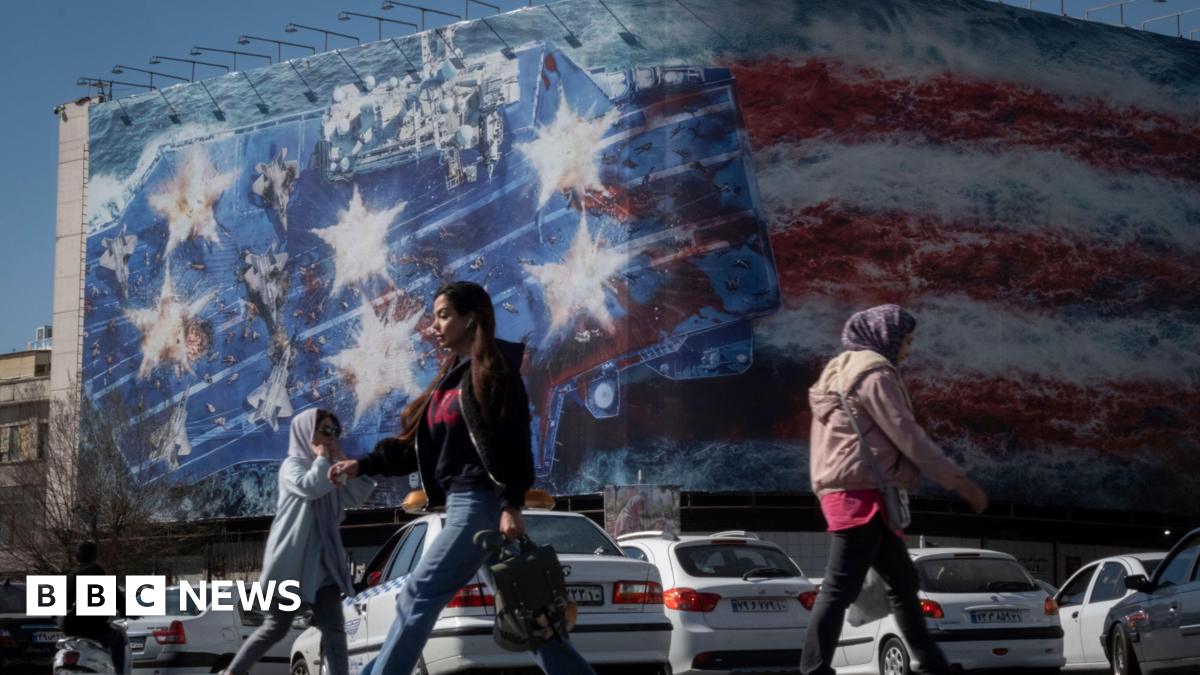
Meanwhile, state media have sharply increased broadcasts showcasing missile capabilities – a familiar tactic during periods of heightened tension.
Economically, the country is entering what should be its busiest shopping season ahead of Nowruz – the Persian New Year – yet the atmosphere is not like it normally is at this time.
With Iran suffering under US sanctions and inflation soaring above 62%, the market is paralysed by uncertainty. Traders report minimal foot traffic, and investors appear hesitant, delaying major moves that now look more like gambles than strategic decisions.