
Sign up for our newsletter and get our latest content in your inbox.
Update 09:37 GMT: Qatar, Bahrain and the United Arab Emirates have also closed their airspaces.
The United States and Israel launched what they describe as “pre-emptive” strikes on Iran this morning with explosions heard across the country including the capital, Tehran. Explosions were also heard in several other cities including Isfahan, Qom, Karaj, and Kermanshah. In response on Saturday morning, the Israeli Defence Forces confirmed that Iran had launched retaliatory strikes.
Both Israeli and Iranian airspace is now closed until further notice – but not only. Qatar, Bahrain and the United Arab Emirates have all closed their airspaces as well, meaning severe disruption across the region.
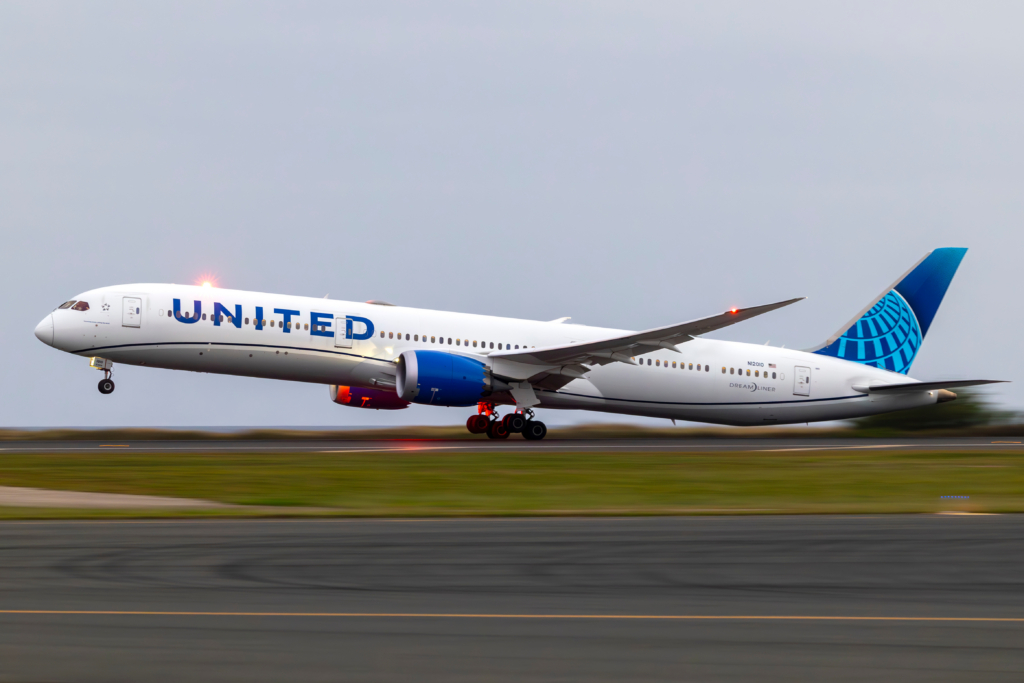
This has had a considerable impact on flights operating to Tel Aviv and to several destinations in Iran. Long-haul services to the Israeli city have been diverted, with United Airlines and Delta Air Lines rerouting their US-originating flights to Athens. Medium-haul flights from Europe have mainly diverted back to their points of origin, data from Flightradar24 shows.
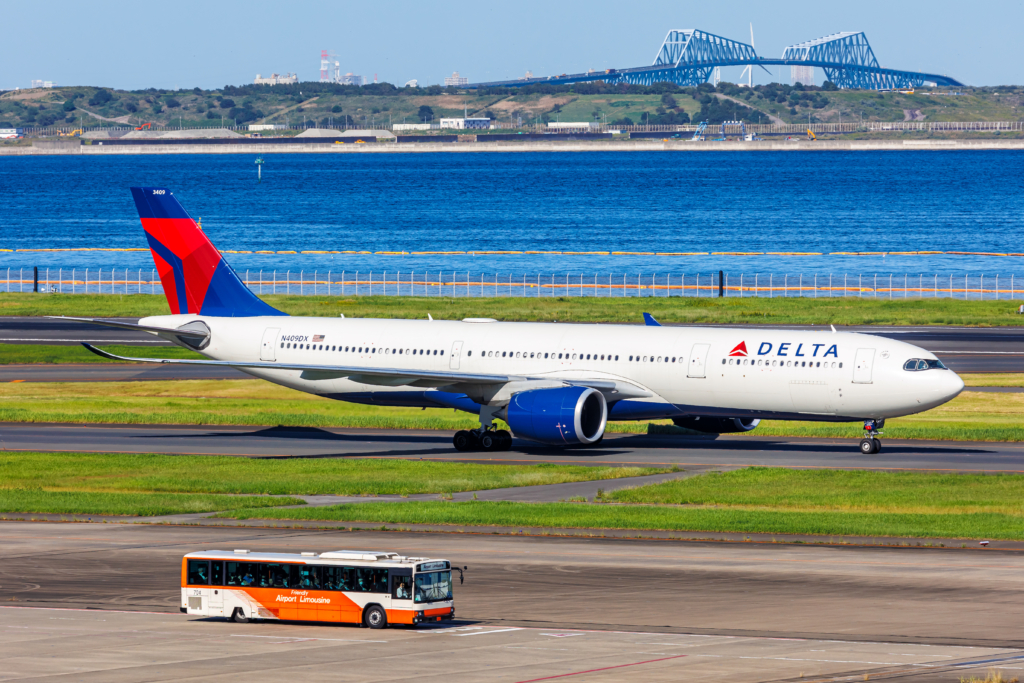 Photo: Markus Mainka / stock.adobe.com
US President Donald Trump confirmed that his country had jointly launched “major combat operations” in Iran together with Israel. In a statement, Israeli Prime Minister Benjamin Netanyahu added that the two countries have “embarked on an operation to remove the existential threat posed by the terrorist regime in Iran.”
This is a developing story.
Several flights have been disrupted given the closure of Israeli and Iranian airspace on Saturday morning. Though the situation is still evolving, most flights bound for the countries have been diverted or have been cancelled. This could have a knock-on effect on other flights if aircraft are grounded in either country and unable to return to a foreign hub.
Sirens were sounded across Israel at around 08:15 local time, warning of a possible missile strike from Iran. The last flight to land in Tel Aviv was a flydubai Boeing 737 MAX aircraft at 07:59. All other flights, including a Wizz Air service that was meant to land at 08:20, diverted to Larnaca. Services from Europe and North America are diverting either to their points of origin, Larnaca, or Athens.
One flydubai service – scheduled to arrive at 09:10, has diverted back to Dubai. It was less than an hour from arrival and was over Jordanian airspace before it turned back.
Though fewer foreign airlines fly to Iran, the impact is still being felt worldwide. Emirates, Turkish Airlines and Qatar Airways for instance have had to divert or cancel their flights to the country.
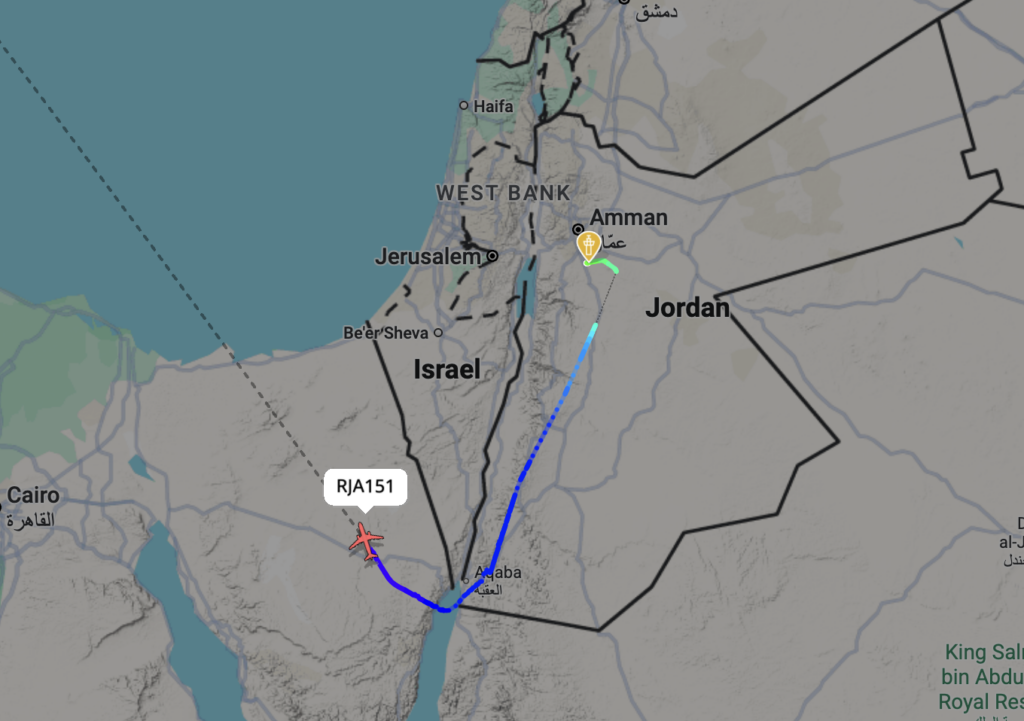
Royal Jordanian Airlines will also feel the impact, even though Jordanian airspace is not closed. Due to its proximity to Israel and its network to destinations in Europe and elsewhere, it will likely face severe disruption. Its morning flight to Amsterdam, for example, was forced to fly southwards below Israel, adding to the flight time.
 Screenshot from Flightradar24.
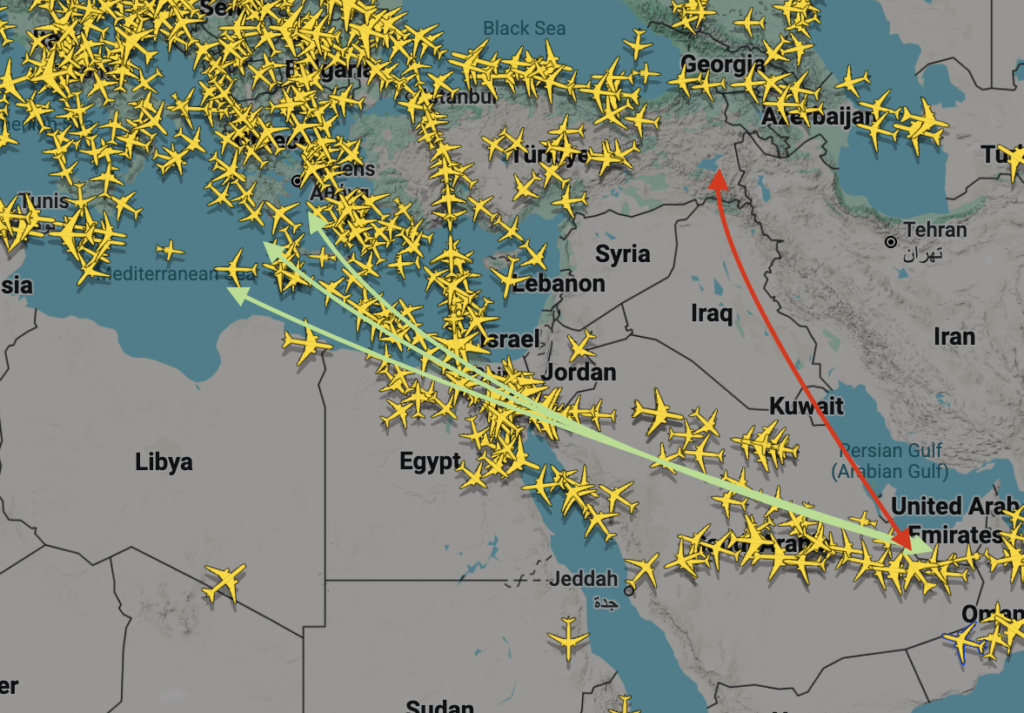
This conflict – like previous ones – will have a considerable impact on Gulf carriers as well and flights operating between Eastern and Western parts of the world. Services that overfly West Asian airspace usually operate over Iraqi airspace or over the Sinai peninsula (following the path of the Royal Jordanian aircraft above).
 Screenshot from Flightradar24 | Edit: Aerospace Global News
However, Iraqi airspace is no longer an option given Iranian and Israeli missiles. The Sinai peninsula is therefore extremely crowded.
This story is fast-evolving. In the last few moments, the United Arab Emirates, Qatar and Bahrain have all shut their airspaces meaning flights currently en route will also have to divert. Flights from these regions elsewhere will likely remain at their destination until the airspace reopens.
Featured image: Kyo46 | stock.adobe.com
Sign up for our newsletter and get our latest content in your
inbox.