
On paper, political parties have promised to make changes. All have vowed to investigate corruption and work as “guardians” of Gen Z.
The Rastriya Swatantra Party (RSP) – only established a few years ago – has promised to make constitutional bodies more accountable. The Communist Party of Nepal UML, which was in power at the time of the protests, has promised to mobilise youths in political transformation and national development.
Meanwhile, the Nepali Congress has proposed holding a high-level investigation into the assets of public office holders since 1991.
It has also removed five-time former Prime Minister Sher Bahadur Deuba as its president.
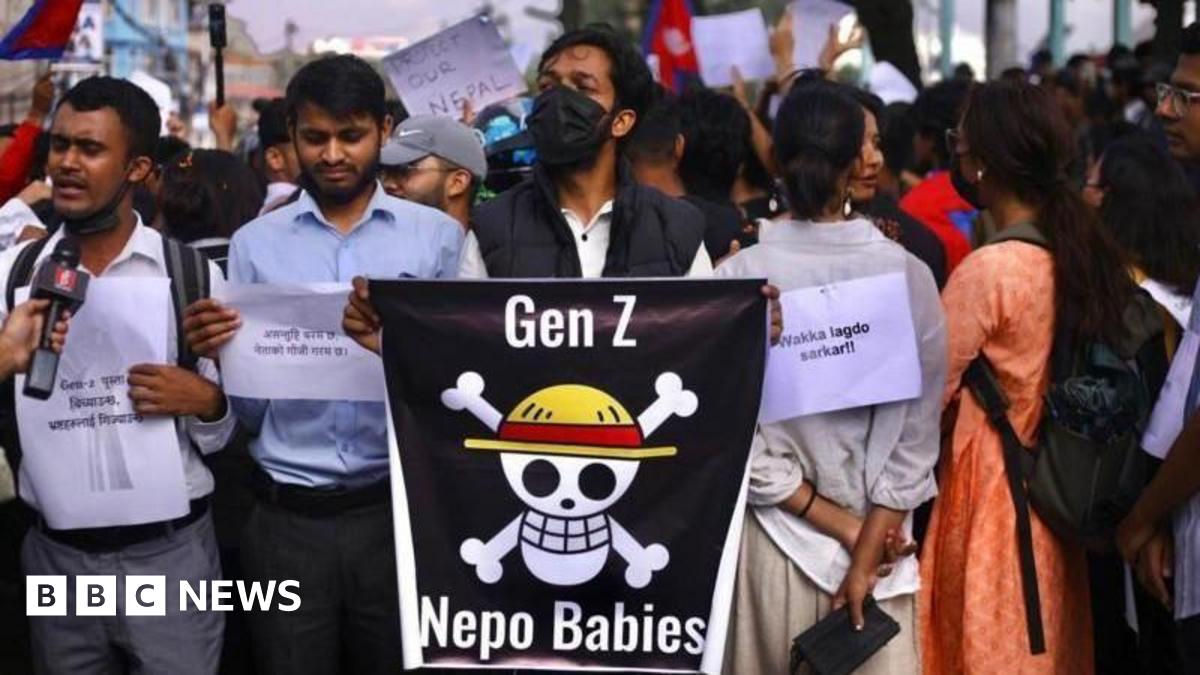
The lavish wedding of his son, Jaiveer Singh Deuba, to singer Shivana Shrestha – along with more general pictures of their designer clothes and exotic holidays – was regularly cited as being among the more potent examples of the “nepo kids” trend. The couple’s social media accounts also appear to have disappeared quietly.
For Rakshya Bam, one of Nepal’s most prominent Gen Z leaders, these particular changes are small hints the party is willing to change.
“They forced it and made reforms within the party,” she tells the BBC. “They have also stipulated the time frame for which any candidate can serve as a prime minister or party president. They have also qualified how many times an individual can be a minister. I think this is a good practice and can be helpful to dismantle policy corruption.”
But, she says, it doesn’t go far enough – a feeling shared by other young people the BBC spoke to.
“If new faces come, I am hopeful there will be changes,” Yadav says. “But, if old political parties still retain power, there may not be much change.”