
 All photos Paul Conroy
There are many words to be said yet about our dear friend and colleague Paul Conroy, who died unexpectedly at the age 61, but his last photoessay for Byline Times is our first tribute to his sharp eye, big heart and dedication to documenting the truth — Peter Jukes
The moment Trump’s snatch squad bundled Nicolás Maduro onto a rendition flight to the United States, all eyes slid ninety miles across the water to Cuba. The question wrote itself. What fresh punishment did Trump, or more likely his Cuban American attack dog, Marco Rubio, have up their sleeves for their Caribbean nemesis.
We did not have to wait long. Trump, now with the keys to Venezuela’s oil stocks, cut off supplies to an island almost entirely dependent on Maduro’s black gold.
I was not about to sit that one out. I packed my loudest shirt, a pair of flip flops, and took the next flight to Havana on a tourist visa. Havana almost never issues press visas.
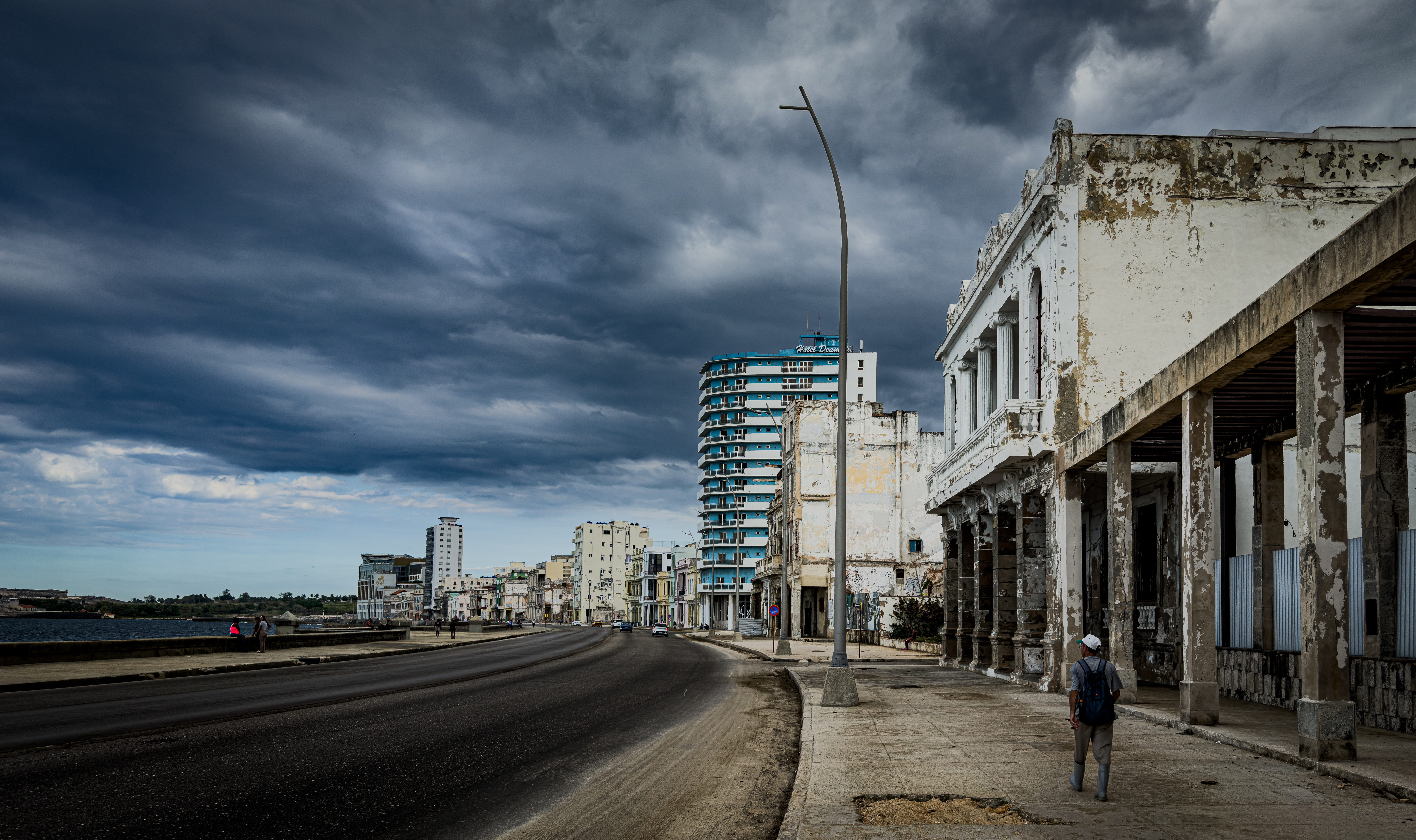
Cuba, already broken by the communist regime’s mismanagement and six decades of US embargoes and general hostility, was in bad shape before Trump even touched the valves.
The central tourist zone has a Potemkin feel. Immaculate stonework, freshly plastered facades, European grandeur under Caribbean light. A few slow tourists drift across the grand plazas while a tired Buena Vista Social Club playlist rattles out from a handful of bored musicians clinging to the last scraps of shade.
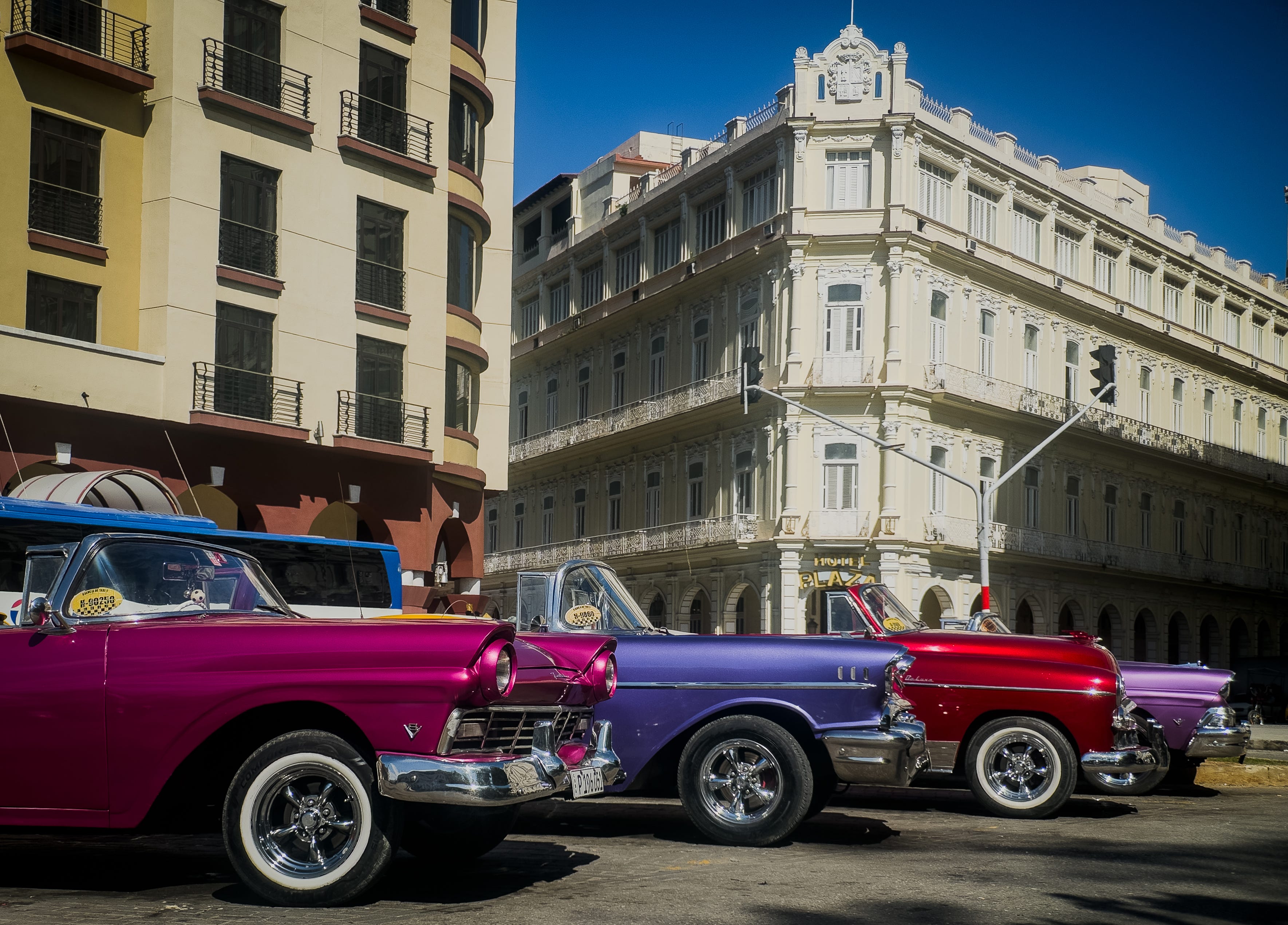
In the wide square between palaces and government offices, rows of gleaming pink and blue 1950s Cadillacs sit in formation. Their drivers slump in the shadows, smart shirts clinging with sweat. Any possible customer is treated like royalty. Precious few accept the pleading sales pitch.
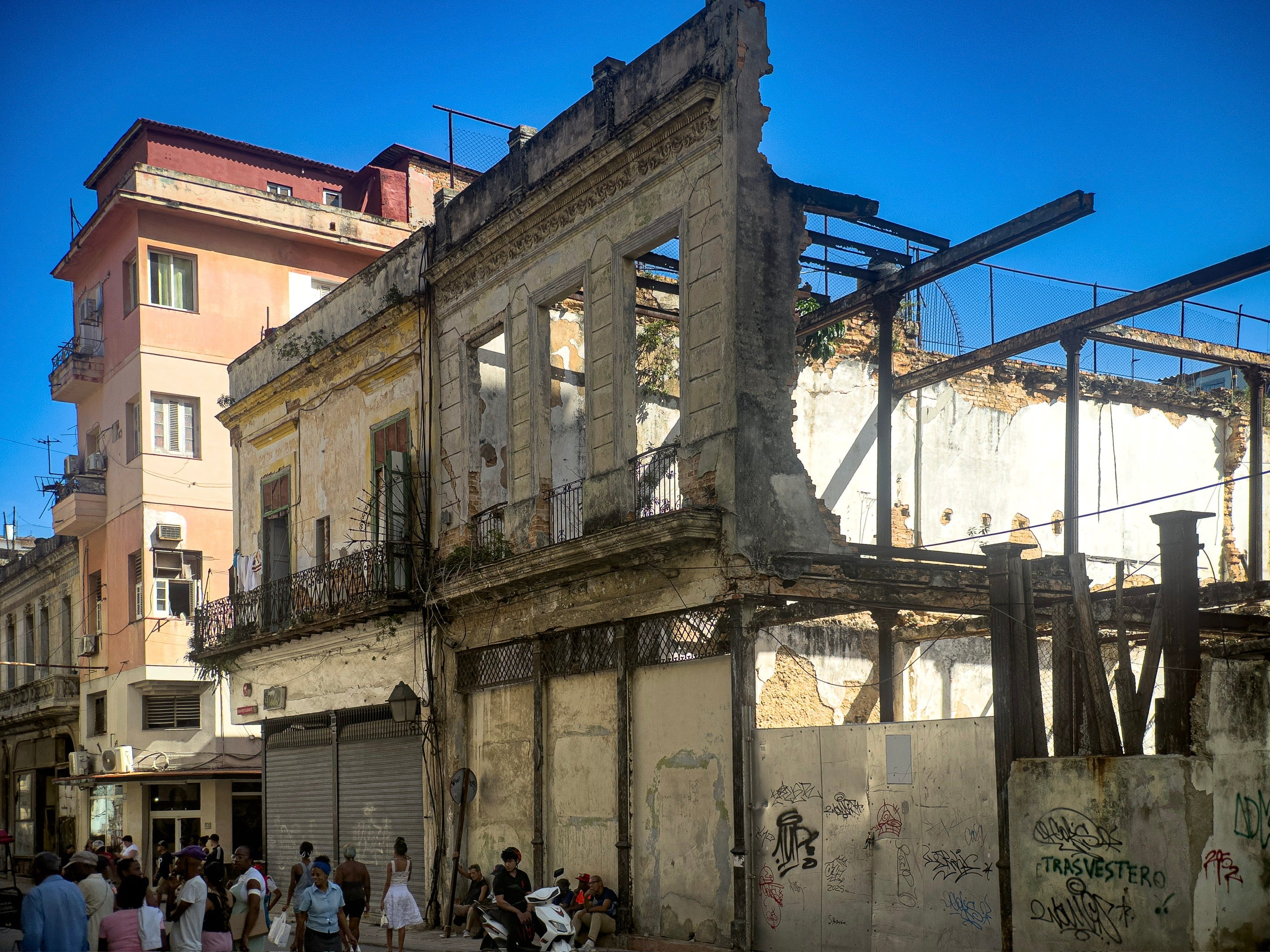
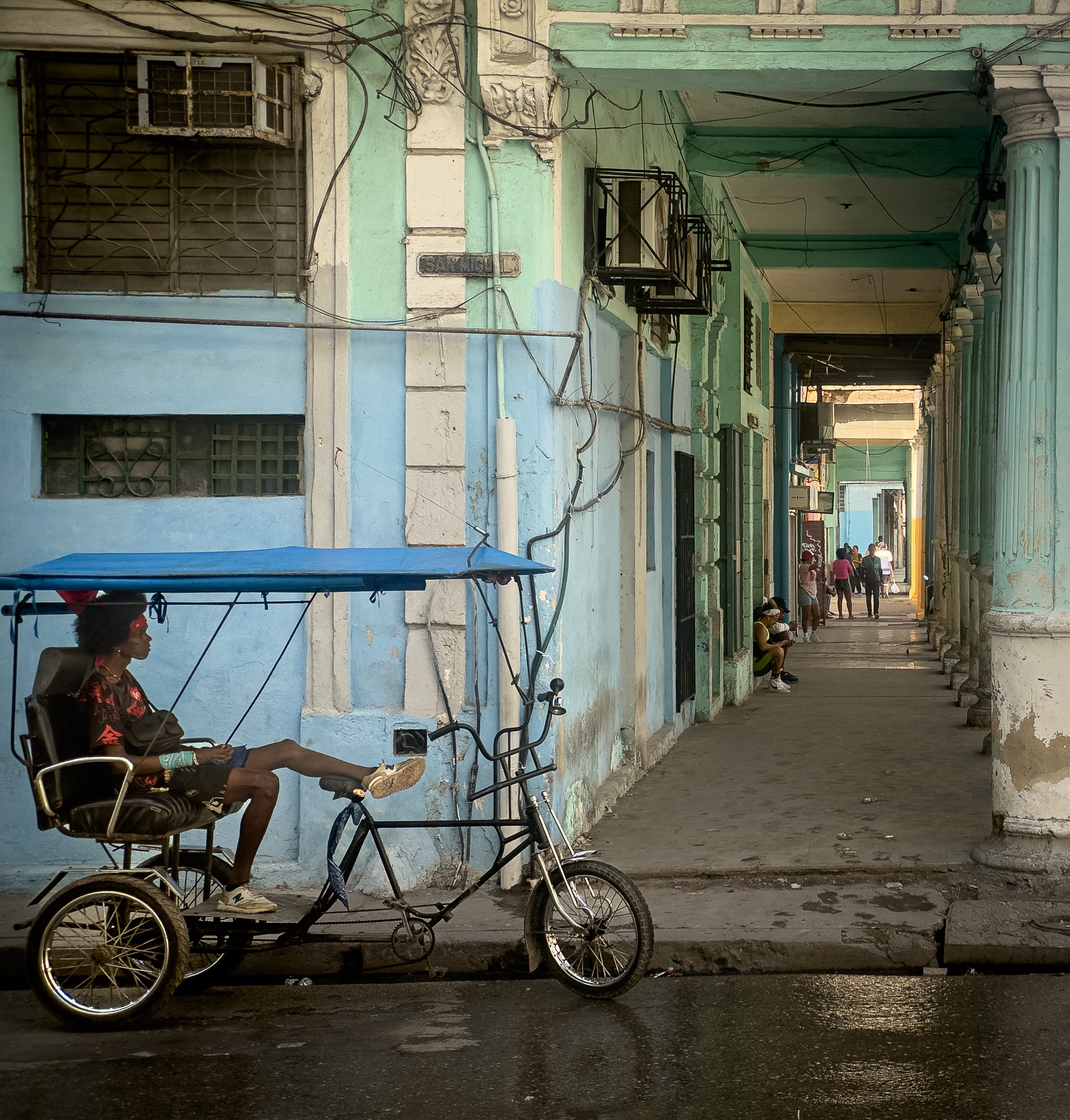
Walk a hundred metres in any direction and the film set ends. The city comes back to life. Street vendors hawk fried dough and plastic cups of sweet coffee. Locals drink in the shade of buildings that have been eaten by salt air and time, held upright by crooked timber braces and welded metal props. Even gravity seems to have lost patience with Havana. Whole sections give up without warning. Building collapses are now a weekly feature.
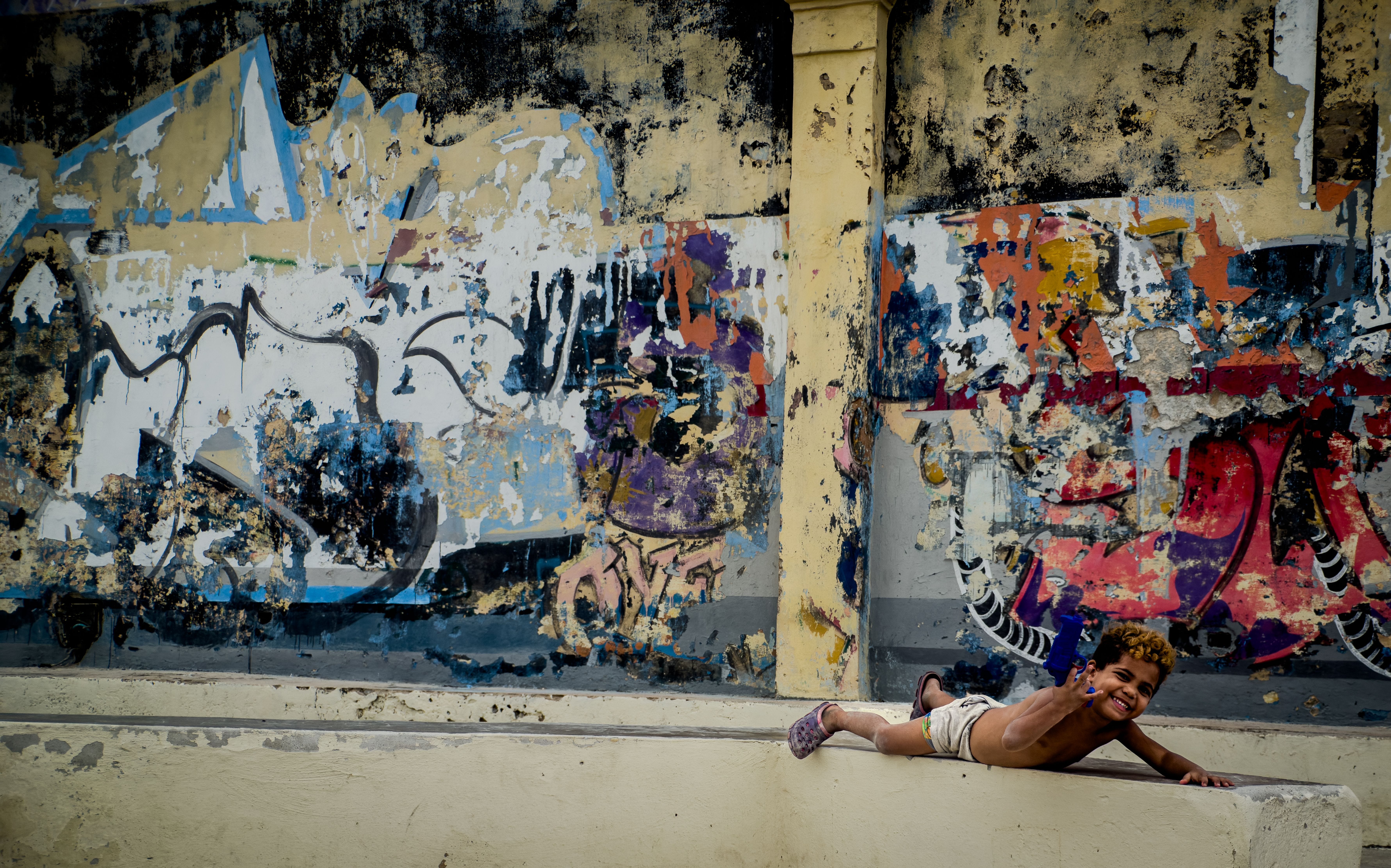
Semi naked kids run through the wreckage. Their toys are broken bike parts, sun-bleached plastic, balloons filled with water. I pass a shaded doorway and see a pensioner behind a locked iron gate, watching the street as if it were television. In front ofher, on a table covered with white lace, she has laid out the contents of a life. A hairbrush, a mirror, a bread knife, a few chipped plates. Not tourist trinkets. Surplus essentials. Anything that might bring in a few extra, precious pesos.
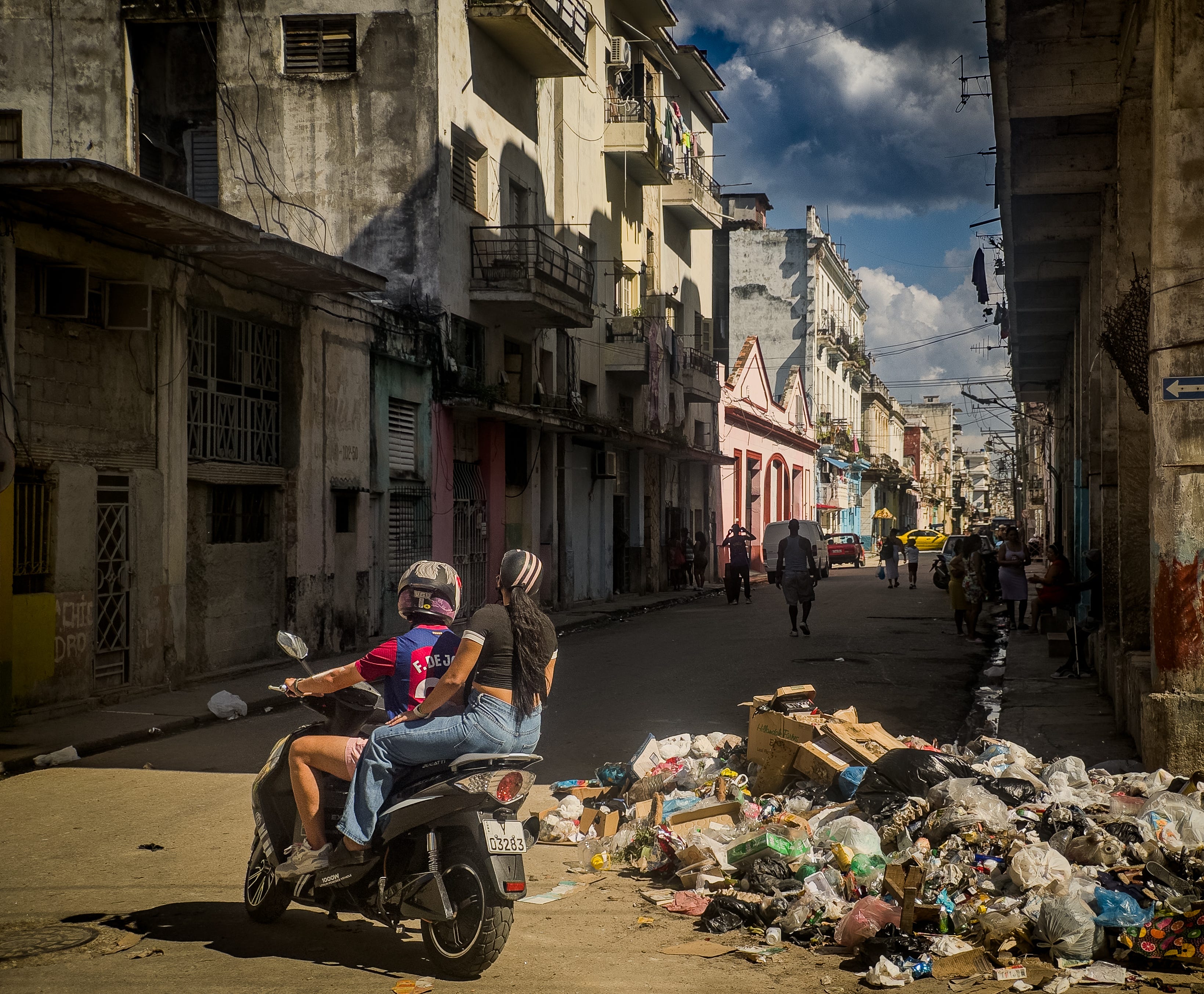
On the side streets, open-air workshops keep vehicles alive long after their planned deaths. Not the shiny convertibles from the postcards. Workhorses. Battered Ladas and boxy trucks that carry food and people.
I step around a discarded cylinder head. Inside the engine bay, a man with a spanner is elbow-deep in an ancient block, performing roadside heart surgery on an engine that should have been scrapped twenty years ago.
On every other street corner, mountains of rubbish fester in the blistering heat, piled as high as a man. Now and then a scavenger picks through the fly-swarmed remains, hunting for food or anything that can be recycled into a few precious pesos.
The streets sprawl for miles and poverty leaks from every crack. On one corner, an old woman sells petrol by the half litre from plastic bottles to teenagers on wheezing 50cc motorbikes. Outside a bakery, a queue shuffles forward in the heat, people clutching bundles of worn, almost weightless Cuban pesos.
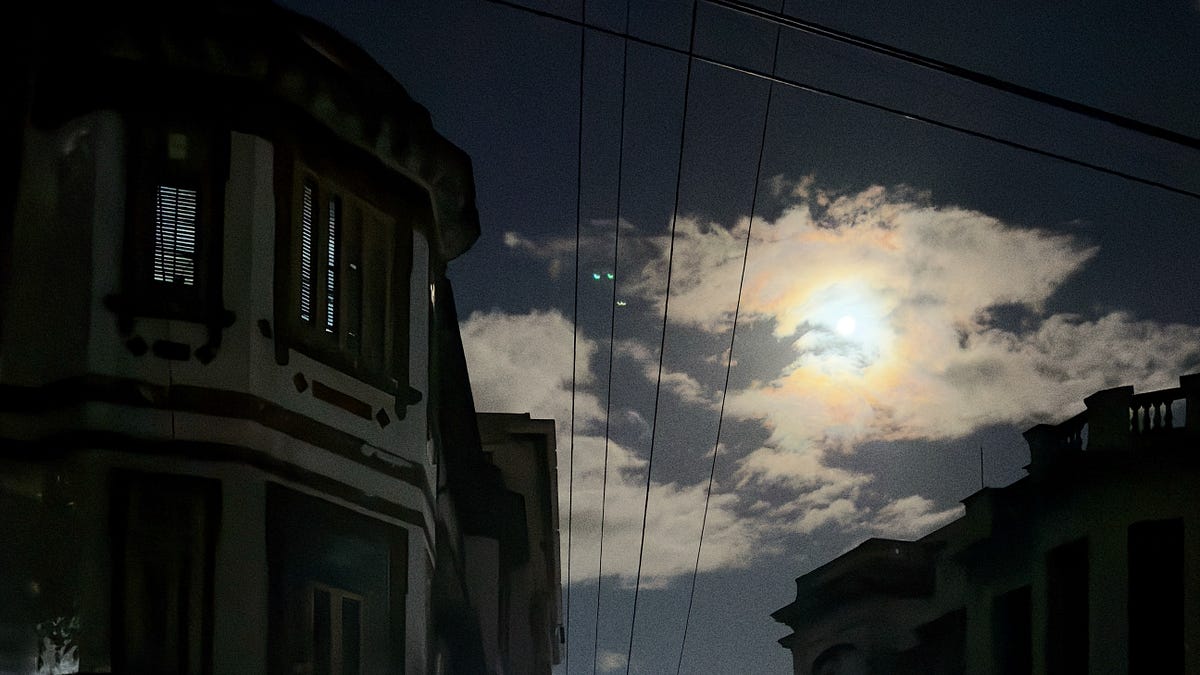
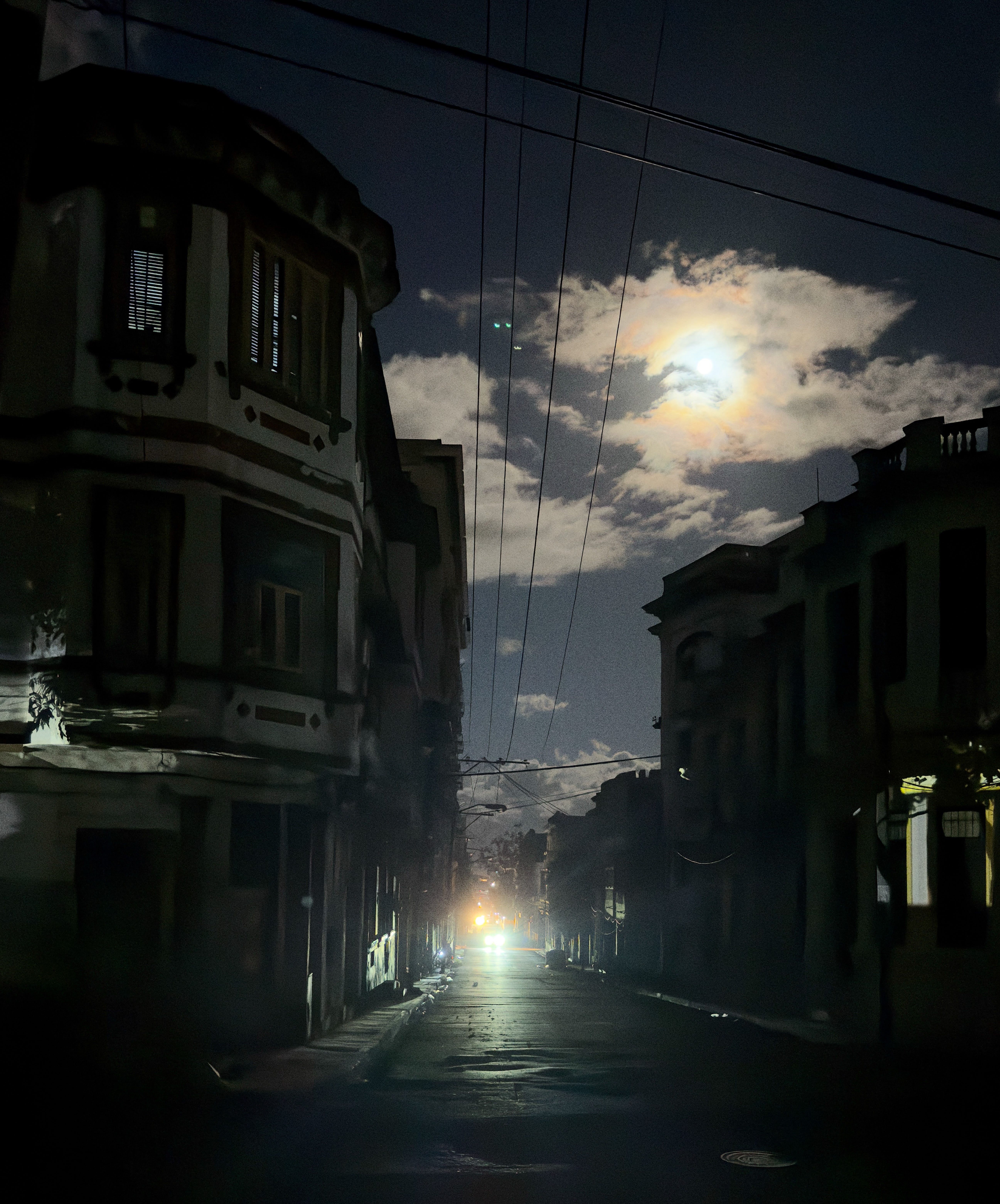
On 28 January, Havana holds a torchlight parade to mark the birth of José Martí, grandfather of Cuban independence from Spain. It is just as well it is torchlit. Once the sun goes down, there is precious little other light. Blackouts now stretch to twenty hours at a time in a country starved of fuel.
I drift with the crowd as preparations begin. A PA system goes up. Banks of TV lights are rigged on the buildings overlooking the university steps where the president will address the nation. The choreography is well rehearsed.
At first, the lack of visible security surprises me. Then I realise the crowd is the security. You can see it if you stand still long enough. The nods and angles of the head, the tiny signals passed between men who are not really watching the stage. The watchers watching the watchers. I feel the circle tighten and slip into a nearby bar to wait for the parade.
Five minutes later, four civilians sit down at my table without asking. Warrant cards appear. For the next hour they work through the standard routine. Passport checked, phone calls made, photographs taken, more calls. They finally reach the conclusion that I am not here to overthrow the regime and not a member of Rubio’s advance Praetorian Guard.
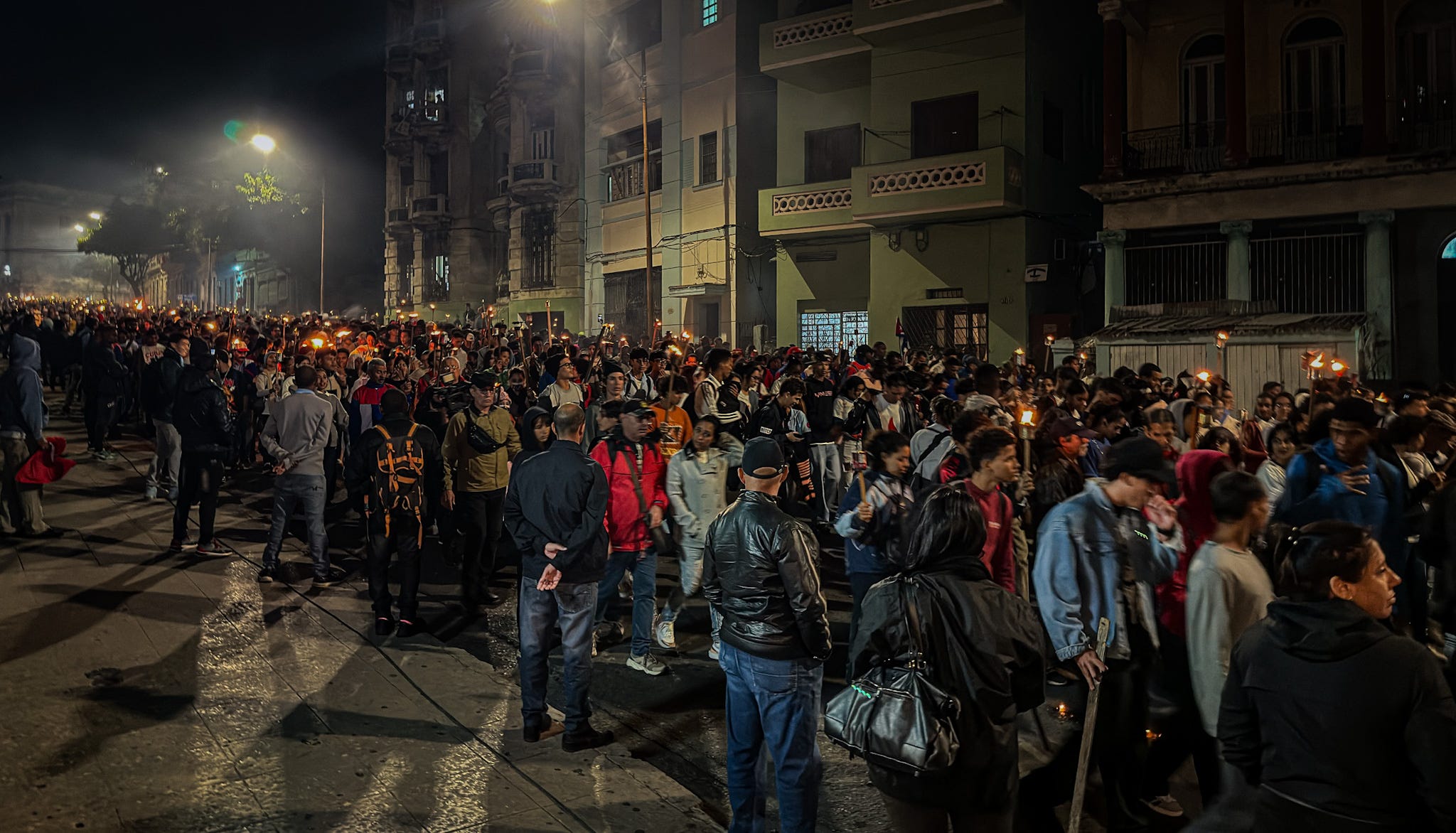
When the parade hits its stride it is impressive. Perhaps ten thousand students, red banners, flaming torches, a Nuremberg-meets-Kremlin mood, only with worse electrics.
At one point a column of girl guides appears, white uniforms crisp under the torchlight, chanting with the kind of rehearsed fury you would expect from a paramilitary youth wing, not a brownie pack. I leave, trailed at a very visible distance by my not-at-all discreet minders.
Rubio, who once claimed his parents fled Castro’s revolution, lied. When pressed, he was forced to admit they left under the corrupt Batista regime. That makes them economic migrants, not exiles. He later tried to soften it. They just wanted a better life, he said. What is wrong with that?
Nothing is wrong with that, except that under the laws he now cheers on, they would likely find themselves in an ICE cage in some swamp-front detention centre that looks a lot like Alligator Alcatraz.
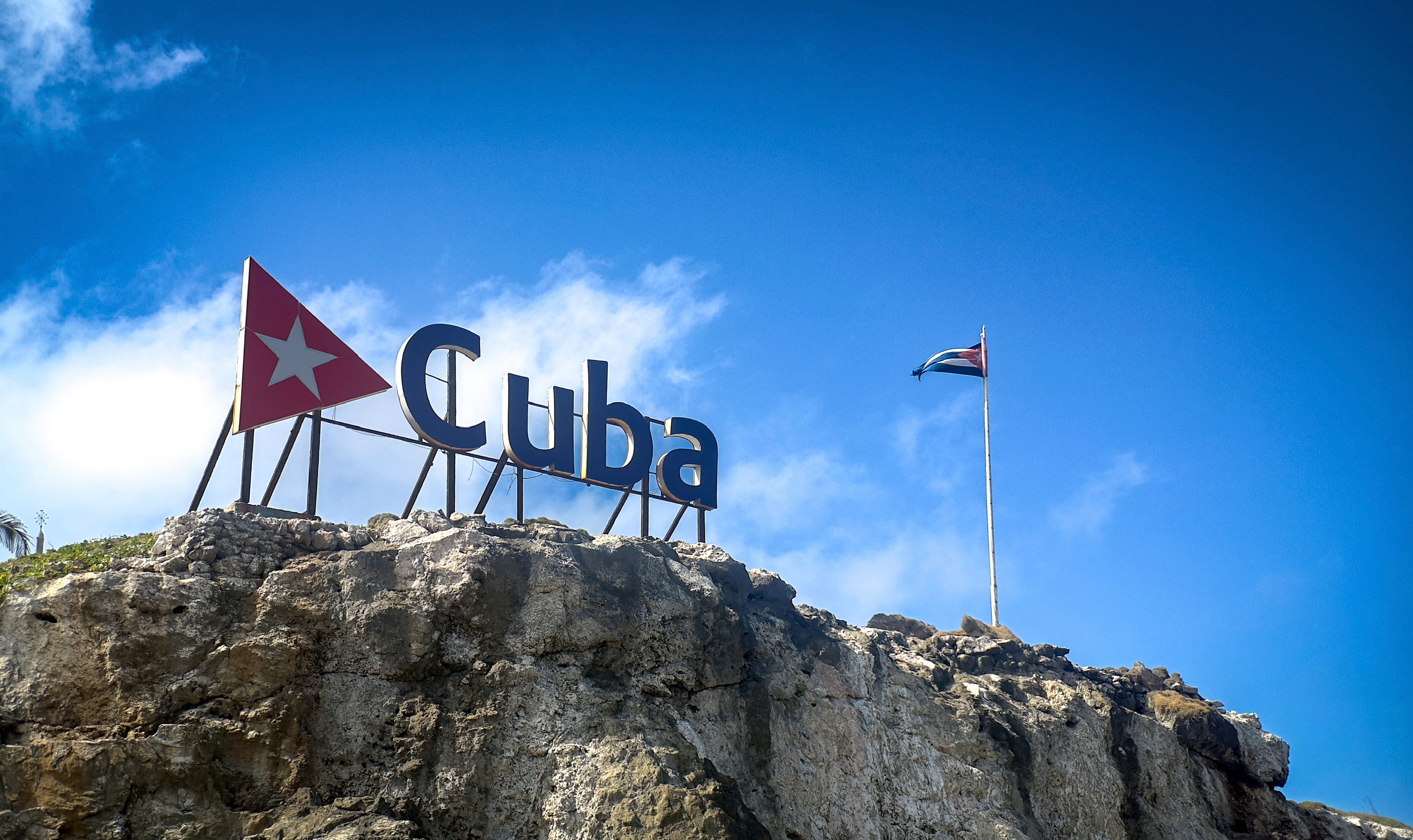
Cuba is close to collapse. That appears to be the point. With Venezuelan oil cut off, Trump turns to the island’s last major supplier, Mexico, and threatens tariffs unless they turn off the taps. The message has a familiar mobster ring. Nice economy you have there. Shame if anything happened to it.
Last week, Miguel Díaz-Canel, in a two hour televised monologue, promised more sacrifice. Fuel rationing. Longer power cuts. Four day weeks for state employees. Shortened hours for schools and universities. Less of everything, for everyone.
The United Nations has described the embargo as inhumane and warned of a looming humanitarian disaster. Mexico has started sending ships loaded with aid. A NOTAM, a notice to all air missions, announces that as of Monday 10 February, José Martí International Airport has run out of jet fuel. Air Canada suspends regular flights and sends in empty aircraft to evacuate stranded tourists.
Tourism takes the hit first. So do the people who live off it. Big hotels on the island are consolidating guests into the few properties that can still run generators and feed paying clients. Most of the staff have been laid off. Another wave of Cubans loses what little income they had.
After a month on the island, one question will not leave me alone. What exactly is the United States afraid of?
From the harbour wall, the Cuban navy looks like two rusted frigates listing gently, as if trying to slip under the surface without anyone noticing. No one in the Pentagon seriously thinks a Cuban armada is going to come steaming up the eastern seaboard any time soon. The United States has eleven carrier strike groups, 1.3 million active duty troops, and roughly three quarters of a million reservists. Cuba has blackout schedules and bread queues.
So the answer must be dogma. Cuba is one of the last communist governments standing. The tired old revolutionaries live in gated compounds now, with permanent power and armed guards. They do not export revolution. They barely export sugar. The average Cuban has about as much chance of removing his government as the average Minnesotan has of evicting the madmen squatting in the White House.
In the end, Cubans are being crushed under the weight of Washington’s hemispheric dominance dreams, layered with a Hegesthian level of paranoia about communists in the backyard.
The oil embargo on Cuba is almost certainly illegal and unquestionably immoral. The international community needs to rummage down the back of the diplomatic sofa, find its mislaid sense of justice, and act before the crisis unfolding here slides from slow-motion emergency into full-blown catastrophe
.