
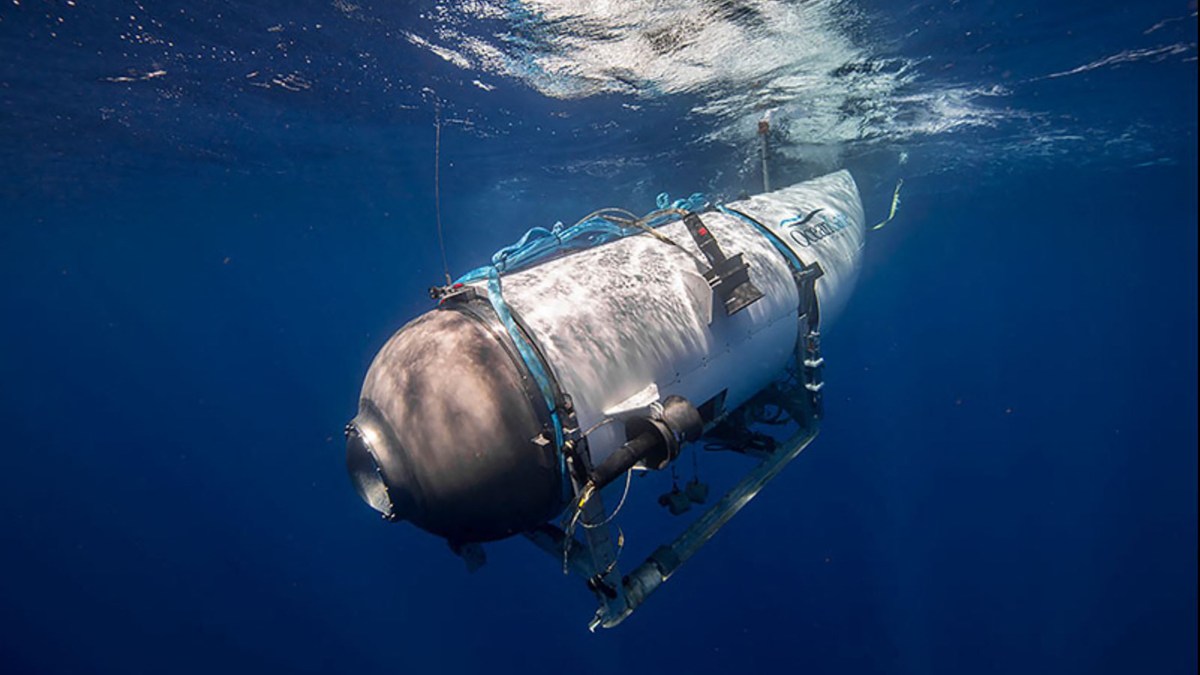
A final report on the Titan submersible implosion has been released by the US government, revealing that the company behind it used “intimidation tactics” to avoid scrutiny of its fatally flawed design.
OceanGate exploited “regulatory confusion and oversight challenges” while operating the sub in the years before it imploded in June 2023, according to a 335-page report released on Tuesday that concludes a two-year investigation by the US coastguard.
Investigators found that the submersible’s design, certification, maintenance and inspection process were all inadequate, and that OceanGate’s safety and operational practices were “critically flawed”.
Stockton Rush, the company’s chief executive, was killed in the disaster alongside the British explorer Hamish Harding; Shahzada Dawood, a British businessman, and his 19-year-old son, Suleman; and Paul-Henri Nargeolet, a French diver.

Clockwise from top left: Hamish Harding, Stockton Rush, Shahzada Dawood, Suleman Dawood and Paul-Henri Nargeolet
JOEL SAGET/AFP
By the time it imploded the vessel had reached a depth of 3,300m in the Atlantic as it journeyed to the wreck of the Titanic. Everyone on board was exposed to about 2,200kg (4,900lb) per square inch of water pressure, resulting in “instantaneous death”, the report said.
The fate of the five people onboard was not initially known when communications with Titan were lost on June 18, 2023. In a search that dominated global headlines, rescuers spent the next four days scouring the Atlantic before a debris field from the submersible was found near the Titanic wreck.
Concluding that the Titan disaster was “preventable”, the coastguard identified eight “primary causal factors” for the implosion. This included the vessel’s “flawed” design with carbon fibre, as opposed to the more widely used and reliable titanium or steel, which led to a loss of structural integrity over time.
OceanGate’s failure to conduct preventative maintenance and the company’s continued use of Titan despite “a series of incidents that compromised the integrity of the hull and other critical components” also contributed to the vessel’s implosion, investigators said.
• What happened to the Titanic sub? Inside the doomed voyage
The company had not conducted an analysis to determine the expected life-cycle of the sub, failed to investigate incidents of concern and was over-reliant on a real-time monitoring system of its condition, the report continued.
It also found that OceanGate, which was based in Washington state, had a “toxic workplace environment” that threatened staff members with dismissal for expressing safety concerns.
Investigators said the company downplayed, ignored and falsified key safety information to improve its reputation and evade scrutiny from regulators. The ability to hold OceanGate to account was further hindered by a lack of domestic and international framework for submersible operations, the report added.
OceanGate “leveraged intimidation tactics, allowances for scientific operations, and the company’s favourable reputation to evade regulatory scrutiny”, the investigators said. “By strategically creating and exploiting regulatory confusion and oversight challenges, OceanGate was ultimately able to operate Titan completely outside of the established deep-sea protocols.”
Titan completed dozens of dives in the two years before the tragedy, many of which were aborted due to safety concerns and incidents. During its 80th dive in the summer of June 2022 — a year before the implosion — passengers reported hearing a bang as the sub completed its ascent to the ocean surface.
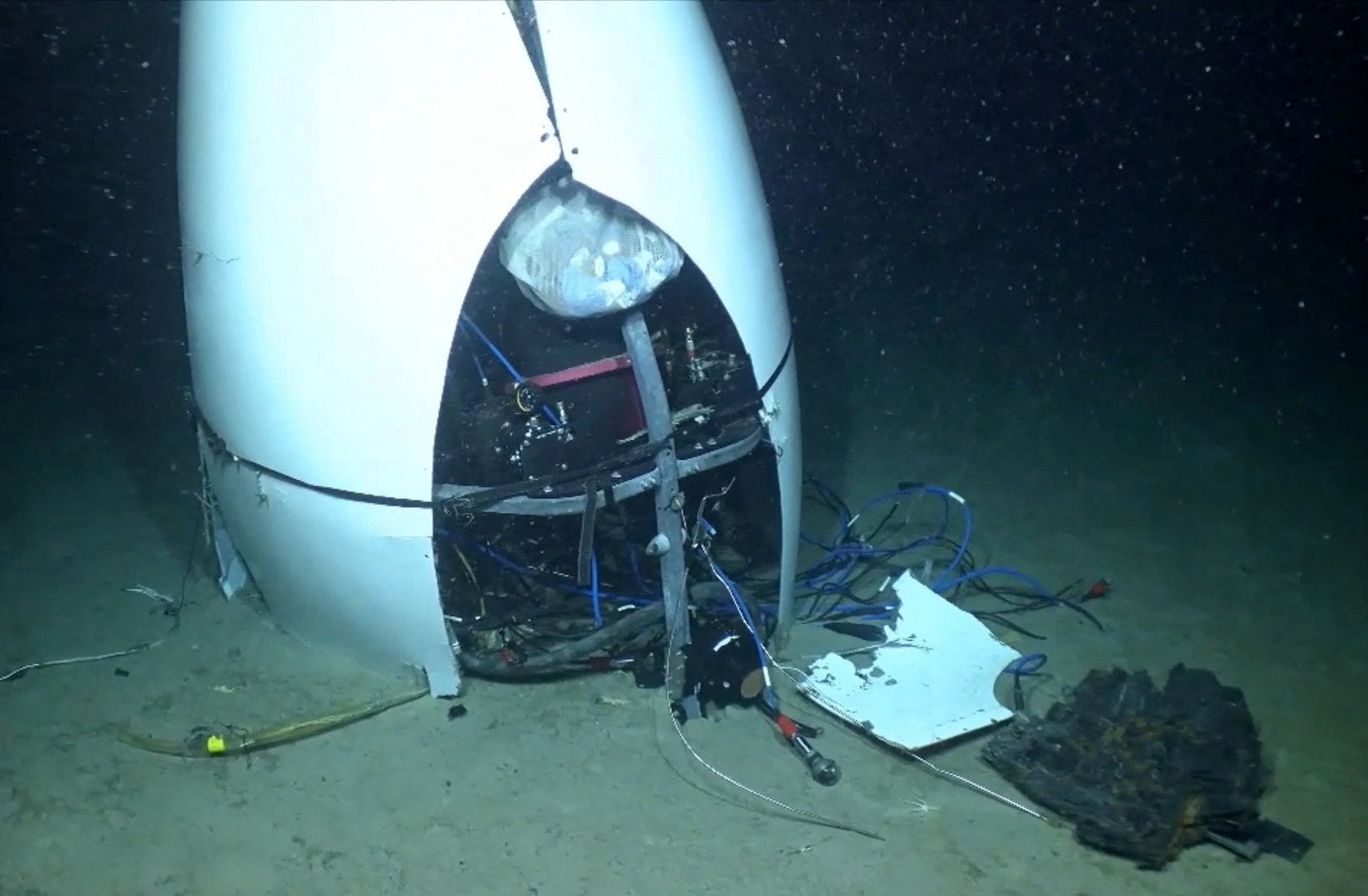
The debris of Titan after it imploded showed the fragility of its structure
REUTERS
Data collected from sensors fitted to Titan later revealed the noise was caused by a separation of the carbon-fibre layers that made up the vessel’s main body, a process known as delamination. This was “the beginning of the end”, the coastguard Lieutenant Commander Katie Williams told the BBC this year. “And everyone that stepped on board the Titan after dive 80 was risking their life.”
OceanGate suspended operations in July 2023 and has been subject to a series of lawsuits. The investigation concluded that Rush “exhibited negligence that contributed to the deaths of four individuals” and may have been subjected to criminal liability had he survived.
The disaster has also called for tighter regulation of the developing private deep sea expedition industry.
The family of Shahzada and Suleman Dawood said “accountability and regulatory change must follow such a catastrophic failure … If Shahzada and Suleman’s legacy can be a catalyst for regulatory change that helps prevent such a loss from ever happening again, it will bring us some measure of peace.”
The report made 14 recommendations for the industry. One calls for existing submersibles to be re-certified under new passenger vessel requirements, while another says the US coastguard should be given the resources needed “to field support for vessels of novel design”.
“There is a need for stronger oversight and clear options for operators who are exploring new concepts outside of the existing regulatory framework,” Jason Neubauer of the Marine Board of Investigation said after the report’s release.
Despite the regulatory scrutiny generated by the Titan disaster, other established manufacturers, such as Triton Submarines and U‑Boat Worx, said the submersible market had rebounded. Roy Heijdra, the marketing manager for U‑Boat Worx, said customers were increasingly focusing on safety protocols, testing procedures and overall risk factors when making inquiries.