
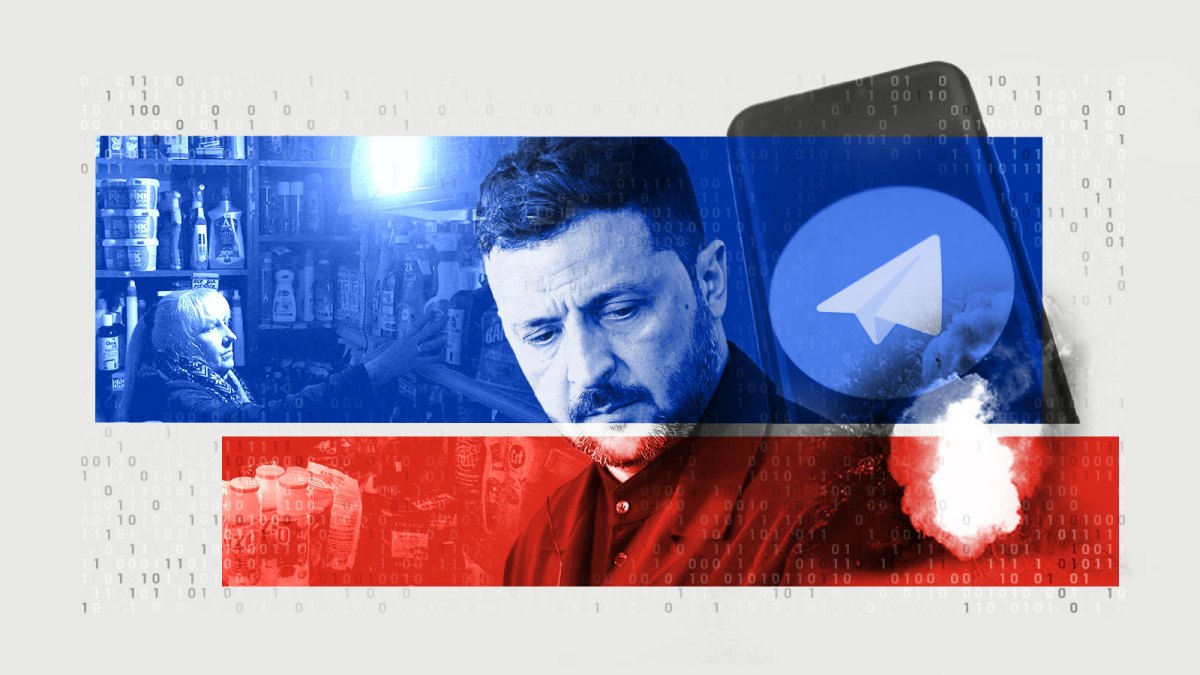
Russia is attempting a “digital occupation” of Ukraine using a vast network of pro-Kremlin bots that flood people’s mobile phones in the occupied east with subtle and locally-targeted disinformation.
Researchers uncovered a network of at least 3,634 fake accounts that posted more than 316,000 messages between January 2024 and April this year, on the country’s most popular media and messaging platform Telegram.
They targeted Telegram channels used by civilians in Russian-occupied areas, attempting to drown out dissent and push narratives designed to weaken Ukrainian identity and boost Moscow’s legitimacy.
Unlike broader global disinformation campaigns, these are localised — focusing on power outages, grain prices and blaming Ukraine for failing to fix broken infrastructure, while praising Russia for any restorations.
The report, published by the Atlantic Council’s Digital Forensic Research Lab and the Ukrainian organisation Open Minds, describes the strategy as a “digital occupation”, mirroring the Kremlin’s military invasion on the ground.
“Russia’s activities within the information space fall within its general desire to return to its old colonial margins,” Iryna Adam, one of the researchers, told The Times. “Russia doesn’t just yearn for physical territorial claim, it wants cultural and linguistic homogeneity within all ex-Soviet states and beyond.”
Adam added: “Its much easier to control any sort of territory if you destroy the connection to that territory’s nation of origin and instead try and bring it into the fold of the ‘Russian world’.”
The network honed in on small communities in areas such as Zaporizhzhia, Donetsk and Kherson. Bots pushed three types of messages: pro-Russian praise, anti-Ukrainian criticism and softer “peace” narratives calling for co-existence.
Posts included praise for Russian soldiers, claims that Kyiv had abandoned the region and subtle arguments in favour of accepting new Russian identity documents.
In one case, bots flooded a local Telegram group after a blackout in Enerhodar, home to the Zaporizhzhia nuclear power plant. They blamed Ukraine for “refusing to co-operate” and praised the efficiency of Russian engineers.

A Russian serviceman guarding the Zaporizhzhia nuclear power station
AP
Other posts take aim at President Zelensky, accusing him of being a “drug addict”.
“Russia can provide what the world demands; it just needs time,” one said.
“Everything happening in Ukraine is a conflict planned by the West that needs to be urgently stopped! Otherwise it will only get worse for all of us,” read another.
Telegram is the dominant social media platform across eastern Europe and remains widely used in both government-controlled and occupied areas of Ukraine. Its open structure and limited moderation make it a key battleground for influence operations.
• Russia using AI to target Britons with flood of fake news
Ukrainians rely heavily on Telegram channels to get news during wartime, with more than 70 per cent using it, according to a 2023 survey by Internews and USAid. The same research found that use of Telegram for news had more than tripled since the start of the full-scale invasion, overtaking TV and Facebook as the country’s most used information source.
In occupied territories where it is no longer possible to directly cross into Ukrainian-held areas, Ukrainian mobile networks, TV and websites are often blocked making Telegram one of the only windows to outside information. This communications blackout has been described as a digital iron curtain, isolating civilians and making them more vulnerable to disinformation and propaganda.
Local Telegram channels, some run by Ukrainian officials or local administrations, are also essential sources of verified information posting real-time alerts for everything from air-raid sirens and the movements of missiles and drones, to road closures and police updates.
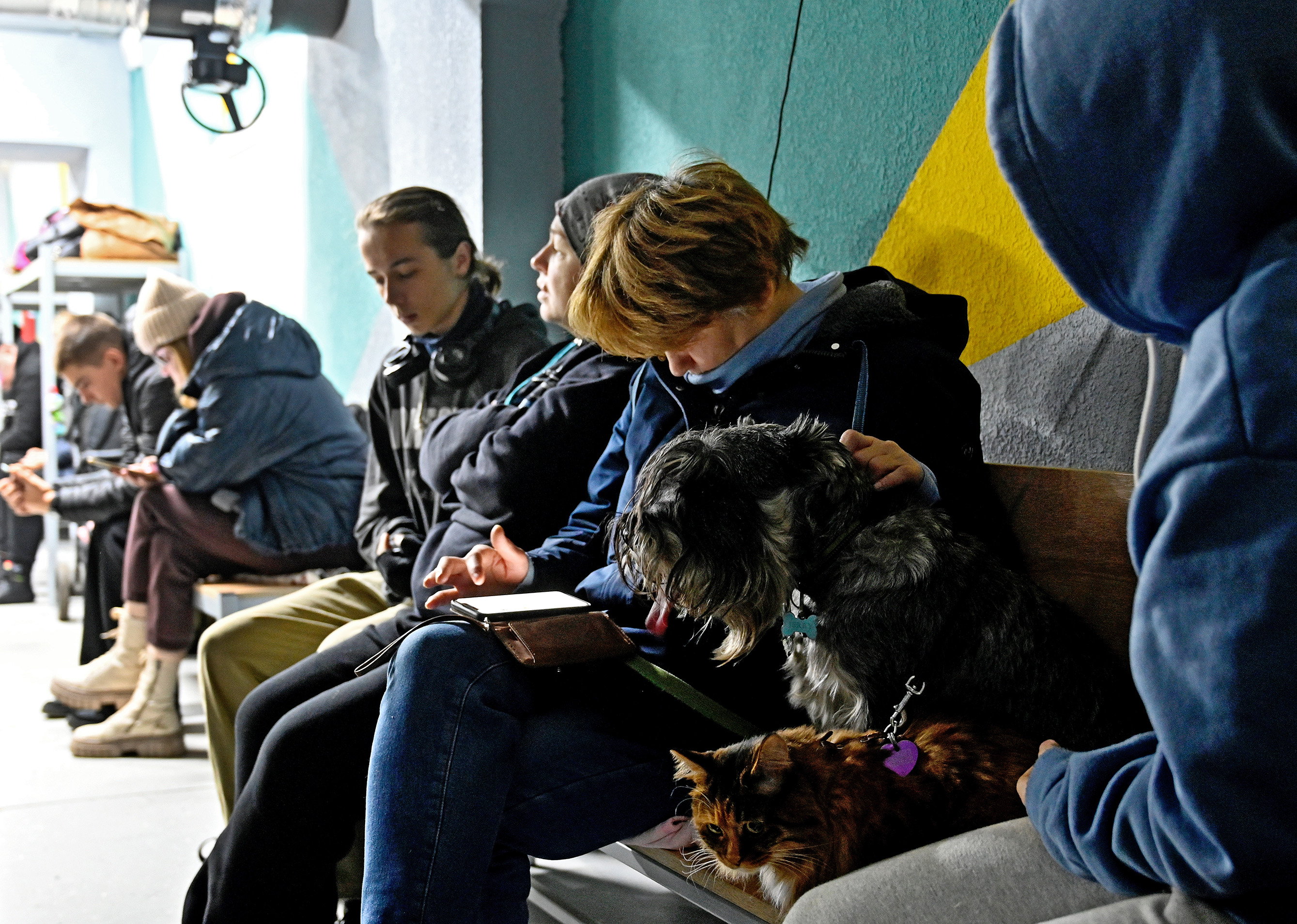
Ukrainians find Telegram useful for quick updates on incoming Russian attacks after warnings to go to shelters
UKRINFORM/NURPHOTO/GETTY IMAGES
“Telegram is the fastest way to get news because TV and newspapers feel too slow — you can see what’s really happening right now. I follow official channels for military updates and local groups. We can find out about what sort of drone or missile threat is coming after the air raid sirens sound and what the destruction is after they hit,” said Maryna Rybak, 28, from Kyiv.
On infrastructure, outages or sparse resources are framed as the fault of the Ukrainian government — in Crimea and Donetsk, water supply issues are associated with Ukraine allegedly failing to supply water to occupied territories.
When it comes to damaged infrastructure, structural damage or destruction is blamed on Ukrainian shelling while restorations are attributed to Russia — painting the occupying forces as saviours and rebuilders.
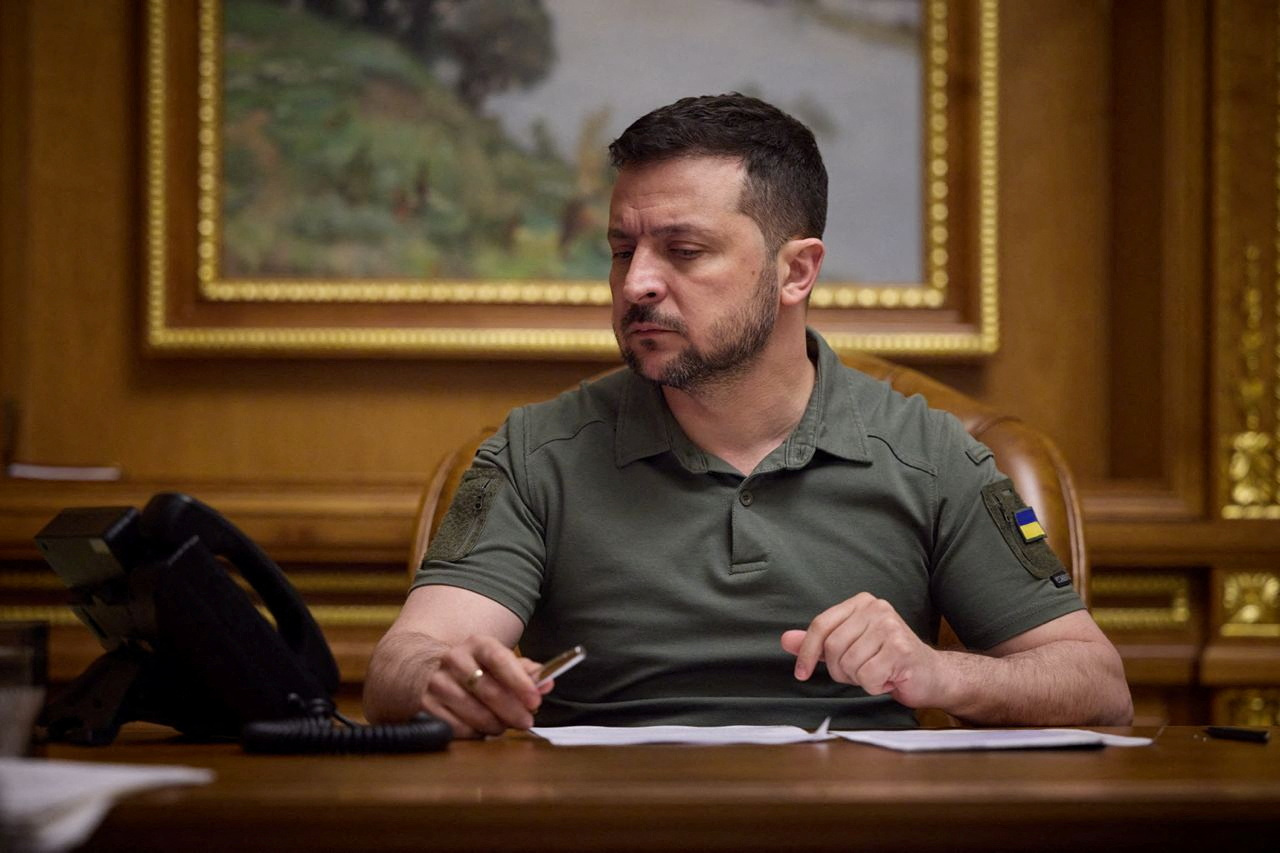
President Zelensky is being undermined by the rhetoric that the bots spread to Ukrainians
UKRAINIAN PRESIDENTIAL PRESS SERVICE/REUTERS
The research suggests the campaign is partly centrally co-ordinated and partly decentralised, mirroring Russia’s hybrid war strategy on the ground. Some bots appeared to operate on a schedule, posting dozens of comments daily within minutes of each other, often using stolen profile pictures and usernames in Ukrainian.
In February 2024, as Russian forces pushed further into the eastern Donetsk region, the network launched a campaign that accused Zelensky of failing to defend civilians on the front line.
The aim is to erode resistance, sow confusion or apathy among residents who rely on Telegram for real-time information and create the illusion that most people support the occupation, researchers said.
• How Hamas uses Telegram to spread terror and war propaganda
It reflects Russia’s long-standing use of psychological warfare and disinformation. In 2014, after the annexation of Crimea, Russian trolls flooded Ukrainian forums and Facebook pages.
Ukraine has emerged as a global leader in digital innovation and has mobilised a vast volunteer cyber community and state-backed teams to track, expose and counter Russian disinformation.
Initiatives like the Centre for Strategic Communications and the StopFake project have worked to debunk Kremlin narratives in real time, while digital literacy campaigns have tried to inoculate the public against online manipulation.
“[Russia’s] campaign is a stark reminder that military occupation is not just about tanks and troops,” the report notes. “It’s also about controlling the information environment.”