
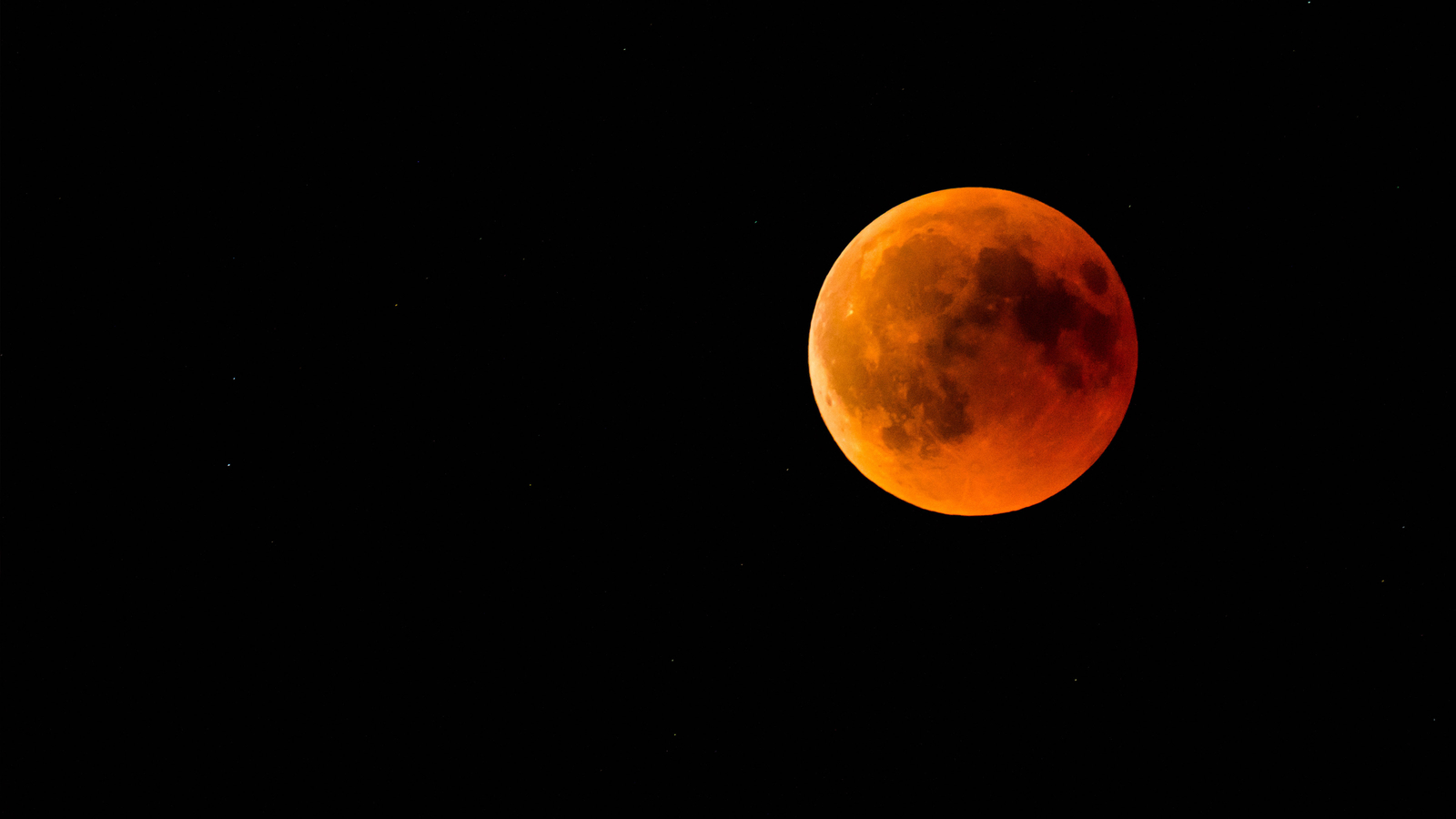
LOS ANGELES (KABC) — If you live in Southern California, you might want to look up to the sky overnight.
Known as the worm moon, March’s full moon will coincide with a total lunar eclipse, commonly called a blood moon, when the Moon takes on a striking reddish color!
Here’s how you can watch the March 2026 blood moon lunar eclipse if you’re in Los Angeles.
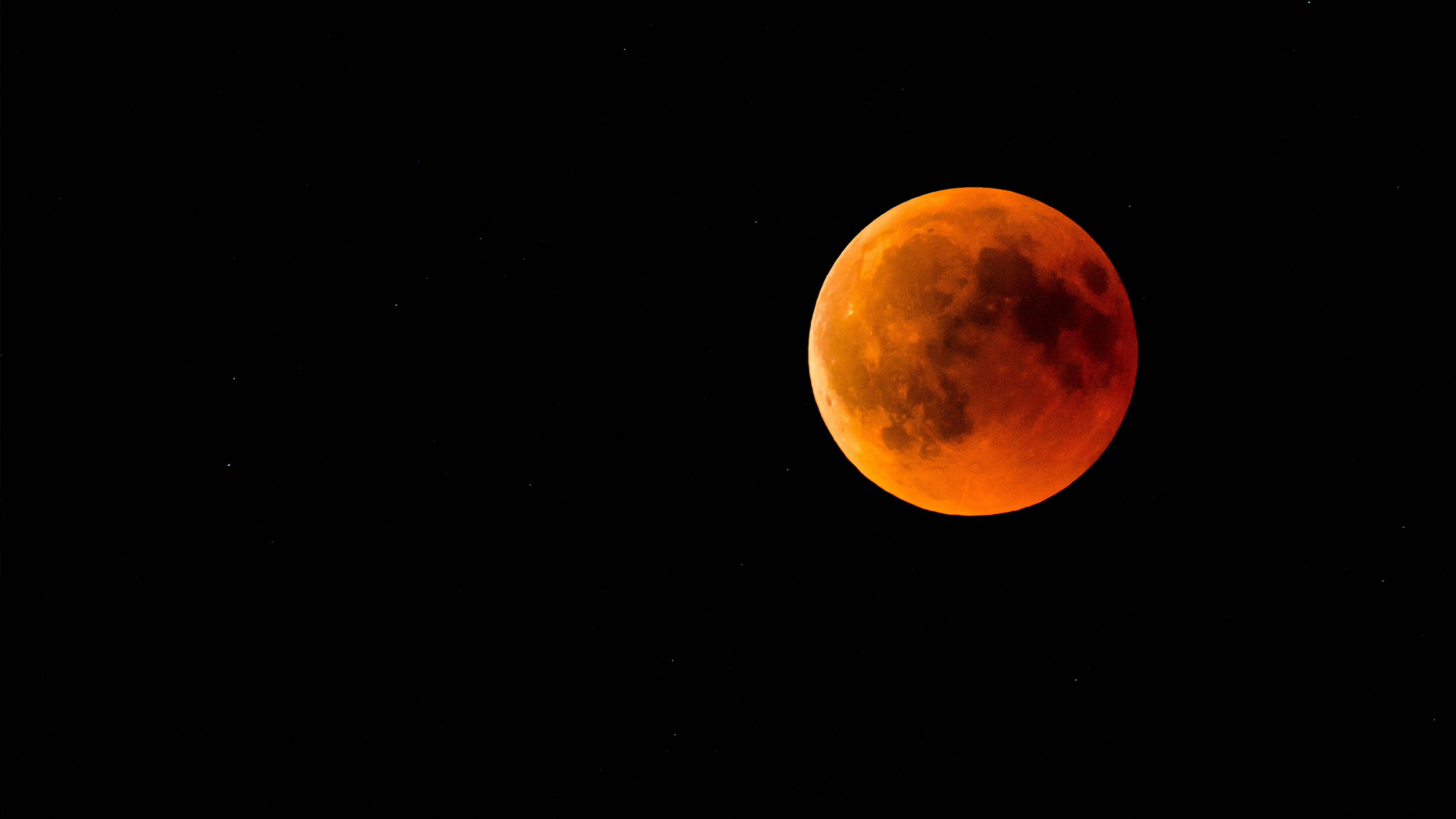
A full moon or blood moon during a complete lunar eclipse in a black night sky with stars.
makasana photo
When can I see the blood moon in Los Angeles?
The total lunar eclipse will occur in the early morning hours of March 3, 2026, according to NASA.
Start time is 12:44 a.m. PST / 3:44 a.m. ESTPeak viewing: During the height of the eclipse, when the Moon turns its deepest red.Timeline of the blood moon in Los Angeles, provided by NASA:12:44 a.m. PT – Penumbral eclipse begins1:50 a.m. PT – Partial eclipse begins3:04 a.m. PT – Totality begins4:03 a.m. PT – Totality ends5:17 a.m. PT – Partial eclipse ends6:23 a.m. PT – Eclipse endsWhy is it called the blood moon?
A lunar eclipse occurs when Earth passes directly between the Sun and the Moon, casting a large shadow across the Moon’s surface.
According to NASA, this alignment can only happen during a full moon.
During a total lunar eclipse, the Moon moves completely into Earth’s shadow, causing it to appear red or orange in color.
NASA explains that during a total lunar eclipse, Earth blocks most of the Sun’s light from reaching the Moon.
The remaining light that does reach the Moon is filtered through Earth’s atmosphere, which scatters shorter wavelengths and allows red and orange tones to pass through.
The effect is often described as looking like all of Earth’s sunrises and sunsets are projected onto the Moon — creating the dramatic “blood moon” appearance.
How can you observe the lunar eclipse?
According to NASA, a lunar eclipse can be safely observed without any special equipment. All you need is a clear view of the Moon.
For the best experience, experts recommend heading to a dark location away from bright city lights. While it’s not necessary, using binoculars or a telescope can enhance the details and make the eclipse even more dramatic.
Why is it called the worm moon?
The Old Farmer’s Almanac, which began publishing full moon names in the 1930s, explains that March’s full moon is called the worm moon because earthworms begin to reappear as the ground thaws at the end of winter.
NASA adds that some Native American tribes used this name to describe the worm casts — small piles of soil — that appear as the frozen ground begins to soften.
How often do we get a total lunar eclipse?
While we experience several eclipses every year here on Earth, we only see a total lunar eclipse or blood moon once every few years, according to NASA.
While total solar eclipses occur roughly every 18 months, their visibility is much more limited than that of total lunar eclipses, as they can be seen only from specific locations each time, according to NASA.
In contrast, total lunar eclipses are usually visible from much larger parts of the Earth, making them easier for more people to catch.
ABC News and Good Morning America contributed to this report.
Copyright © 2026 KABC Television, LLC. All rights reserved.