
The FCDO has updated advice for Cyprus, Turkey and Greece
10:09, 03 Mar 2026Updated 16:16, 03 Mar 2026
Foreign Office travel advice has been updated(Image: Getty)
The UK Foreign Office (FCDO) has revised its travel guidance for several popular holiday destinations following American military action against Iran. As reported by Wales Online, the Foreign Office currently warns against travel to the UAE and urges those already in locations including Dubai, Bahrain, and Kuwait to take shelter.
The FCDO has now updated travel advice for holiday hotspots, including Cyprus, Turkey, and Greece, as the US-Israel war on Iran continues.
Thousands of flights have been cancelled or rerouted due to airspace shutdown in the Middle East, forcing airlines into narrow corridors. Ensure our latest news and sport headlines always appear at the top of your Google Search by making us a Preferred Source. Click here to activate or add us as Preferred Source in your Google search settings
Budget airline easyJet cancelled several UK flights to Cyprus following an intercepted drone attack on RAF Akrotiri. UK officials confirmed an RAF base in Cyprus was hit, although it’s still unclear whether the drone was launched directly from Iran or by Tehran-backed groups in the region.As a precaution, easyJet has cancelled several return flights between the UK and both Paphos and Larnaca.The airline said flights from March 3 were currently operating as planned, but passengers travelling in the coming days should check the flight tracker for updates.
As reported by Birminghamlive, amid the travel chaos, the FCDO has updated its travel advisories for Cyprus, Turkey and Greece. Here’s the latest information, and follow our senior travel reporter, Portia Jones, on TikTok for the latest travel updates.
Content cannot be displayed without consentCyprus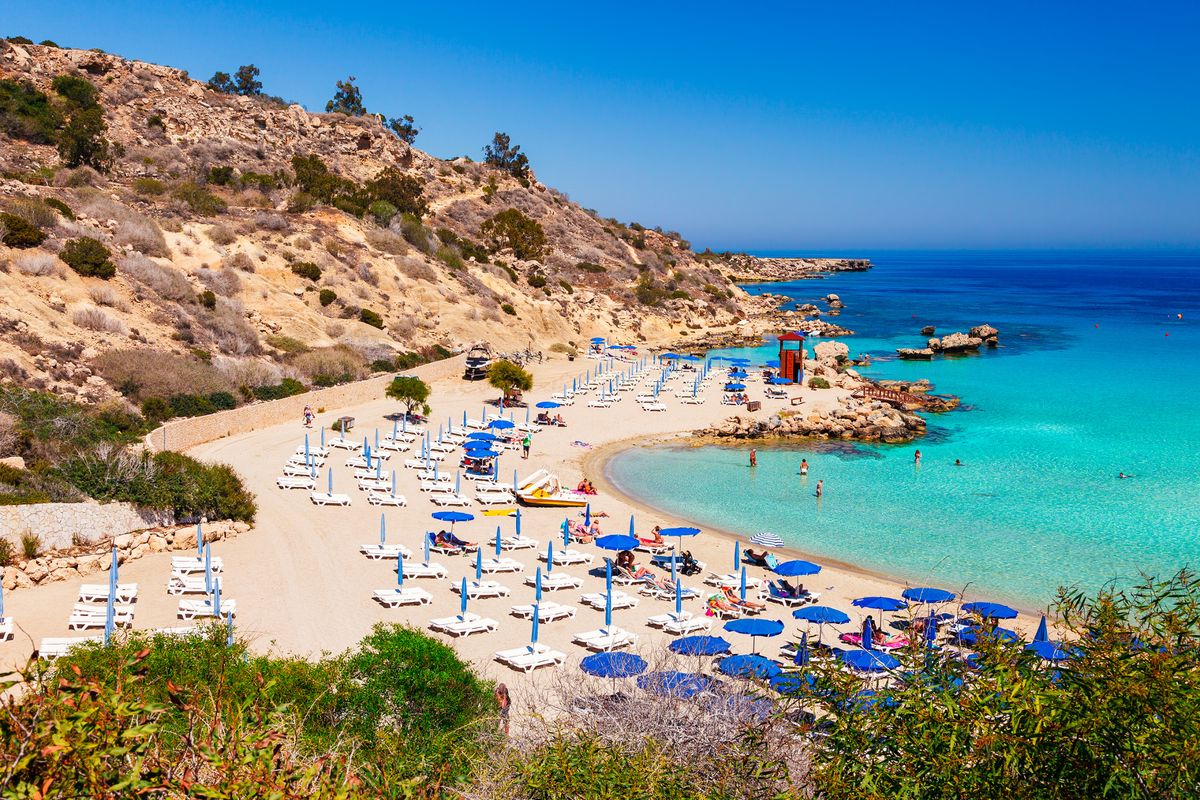
Flights have been cancelled to the holiday spot (Image: scu)
On March 2, 2026, the Sovereign Base Areas Administration confirmed a suspected drone impact at RAF Akrotiri, prompting fresh guidance from the FCDO.
Foreign Secretary Yvette Cooper said “precautionary measures” were being taken following the suspected drone strike on RAF Akrotiri in Cyprus. She told Sky News: “This is an unmanned drone strike, specifically on the airport runway, and we’re not able to provide further information and detail at this point. But obviously, all of the precautionary measures are being taken around the base.”
At the time of writing, there is currently no advice against travel to Cyprus; the FCDO has warned of a “heightened risk of regional tension” and possible escalation, which could lead to travel disruption and “other unanticipated impacts”.
It added that British nationals should take sensible precautions based on their personal circumstances.
Travellers are advised to sign up for FCDO travel advice email alerts, monitor local and international media and register for local information updates. They should follow all instructions issued by local authorities.
Keep checking with the FCDO and your travel provider for updates as the situation is ongoing.
Turkey
Turkey is a popular destination for Brits(Image: Portia Jones )
At the time of writing, the Foreign, Commonwealth and Development Office (FCDO) has not issued ‘do not travel’ warnings for Turkey.
These alerts should be taken extremely seriously as they indicate high risks – such as conflict, terrorism, or civil unrest. Disregarding the warnings could invalidate your travel insurance.
Rhys Jones, travel insurance expert at Go.Compare Travel says: “If you’re travelling anywhere near areas that have been affected by the air strikes over the weekend, your first port of call should be the FCDO, which will give travel advice to those currently staying or heading to those destinations.”
“If the FCDO states that you should not travel to the affected areas, then you will NOT be covered by your travel insurance if you don’t heed the advice and travel there regardless.
In its updated advice for Turkey, the FCDO said the border between Iran and Turkey remained open, with visa-free travel available for UK and Iranian passport holders for stays of up to 90 days.
It added: “If you are a British national intending to cross the land border from Iran into Turkey, you must request facilitation from the British Embassy in Ankara by contacting the FCDO before travelling to the border.
“You must state which border point you intend to use and provide personal details (name, date of birth, details of travel document used to enter Turkey). Also, indicate whether you are contacting from Iran or from the UK on behalf of a relative.
“The Turkish authorities advise that the Iranians have closed the crossing point at Esendere-Serow on the Iranian side to daily traders entering and exiting over the course of a day.
“The usual entry requirements will apply, including that British nationals can enter without a visa for up to 90 days in any 180-day period.
“If you intend to leave Iran overland, you do so at your own risk. In Iran, holding a British passport or having perceived connections to the UK can be reason enough for the Iranian authorities to detain you.”
Keep checking with the FCDO and your travel provider for updates as the situation is ongoing.
Greece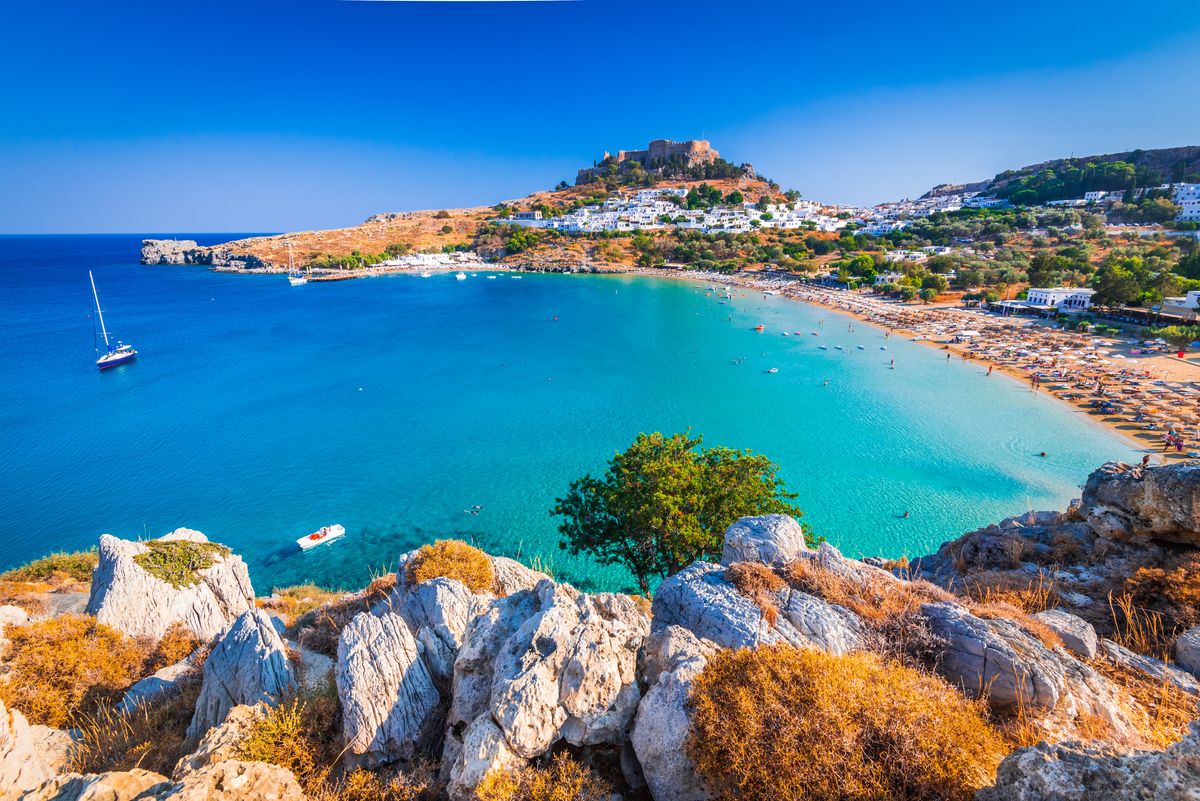
At the time of writing, the Foreign, Commonwealth and Development Office (FCDO) has not issued ‘do not travel’ warnings for Greece.(Image: Getty Images)
At the time of writing, the Foreign, Commonwealth and Development Office (FCDO) has not issued ‘do not travel’ warnings for Greece.
Greece’s shipping ministry, however, has warned Greek-flagged vessels to exercise maximum vigilance and avoid the Persian Gulf, the Gulf of Oman, and the Strait of Hormuz after the strikes on Iran, according to an advisory seen by Reuters.
“The developing situation affects the safety of navigation in the wider Persian Gulf, the Straits of Hormuz, the Gulf of Oman and the North Arabian Sea,” the document said, urging shipping firms to implement the highest level of security measures in those areas and at Israeli ports until further notice.
Separately, the FCDO issued new information about mass demonstrations on February 28 and widespread disruption to public services across Greece.
Keep checking with the FCDO and your travel provider for updates as the situation is ongoing. For the biggest stories in Wales first sign up to our daily newsletter here
Get daily breaking news updates on your phone by joining our WhatsApp community here. We occasionally treat members to special offers, promotions and ads from us and our partners. See our Privacy Notice
What to do if your holiday is affected by disruption
Tim Riley, Managing Director of travel insurer True Traveller and Chairman of the UK Travel Industry Association, representing all the major UK travel insurers, has issued the following guidance for UK travellers affected by conflict-related disruption in the Middle East.
Travel Insurance & War Exclusions
Tim Riley says, “Standard travel insurance policies do not cover war, hostile acts, civil war, military action, invasions or similar large-scale conflict events. This exclusion is standard across the global insurance market because war presents systemic, unpredictable risks that cannot be priced into conventional travel insurance products.
However, travellers are still covered for claims unrelated to the conflict itself. For example, illness, accidents not connected to hostilities, or lost or stolen baggage would typically be handled in accordance with the policy’s normal terms and conditions.
It is important to note that airlines have a legal obligation to re-route passengers once services resume, and it looks like there will be UK Government-funded repatriation of British passport holders imminently.”
Flight Cancellations & Airspace Closures
Where airlines cancel flights due to airspace closures or safety concerns linked to the Iran conflict, passengers retain clear legal rights under UK passenger protection rules.
Riley explains: “If your airline cancels your flight, you are legally entitled to choose between a full refund or re-routing to your final destination at no additional cost. Airlines must offer one of these options.”
Important Advice: Do Not Rush to Accept an Airline Refund
“It is important that travellers do not accept a refund automatically if they still wish to travel,” Riley warned.
“Accepting a refund effectively ends the airline’s duty of care and its obligation to re-route you. You would then need to book new flights yourself, which may be significantly more expensive. Travel insurance will not cover the price difference between a refunded ticket and a new booking.”
Tim’s Practical Steps for Travellers
Don’t accept an airline refund immediately if you want to reach your destination soon. Once you accept a refund, the airline’s obligation to re-route you ends, and any new flights you book yourself may be expensive and not covered by insurance.Contact your airline directly to confirm your preferred option (refund or re-routing) and document all responses.Keep all receipts for additional costs incurred.Check your travel insurance wording carefully.Follow local authority guidance and register for updates with the Foreign Office.If you have booked through a tour operator or travel agent, then speak to them about changing dates or arranging a refund.