
Your support helps us to tell the story
From reproductive rights to climate change to Big Tech, The Independent is on the ground when the story is developing. Whether it’s investigating the financials of Elon Musk’s pro-Trump PAC or producing our latest documentary, ‘The A Word’, which shines a light on the American women fighting for reproductive rights, we know how important it is to parse out the facts from the messaging.
At such a critical moment in US history, we need reporters on the ground. Your donation allows us to keep sending journalists to speak to both sides of the story.
The Independent is trusted by Americans across the entire political spectrum. And unlike many other quality news outlets, we choose not to lock Americans out of our reporting and analysis with paywalls. We believe quality journalism should be available to everyone, paid for by those who can afford it.
Your support makes all the difference.Read more
UK households are being warned that their annual energy bills could increase by £500 because of the war in the Middle East.
After the US and Israel launched attacks on Iran, the conflict in the region has dramatically unfolded, raising fears over the supply of oil and liquified natural gas (LNG) from the Gulf.
QatarEnergy has stopped its production of LNG, taking one of the world’s top suppliers off the market indefinitely. Meanwhile, oil tanker traffic through the Strait of Hormuz has mostly ground to a halt.
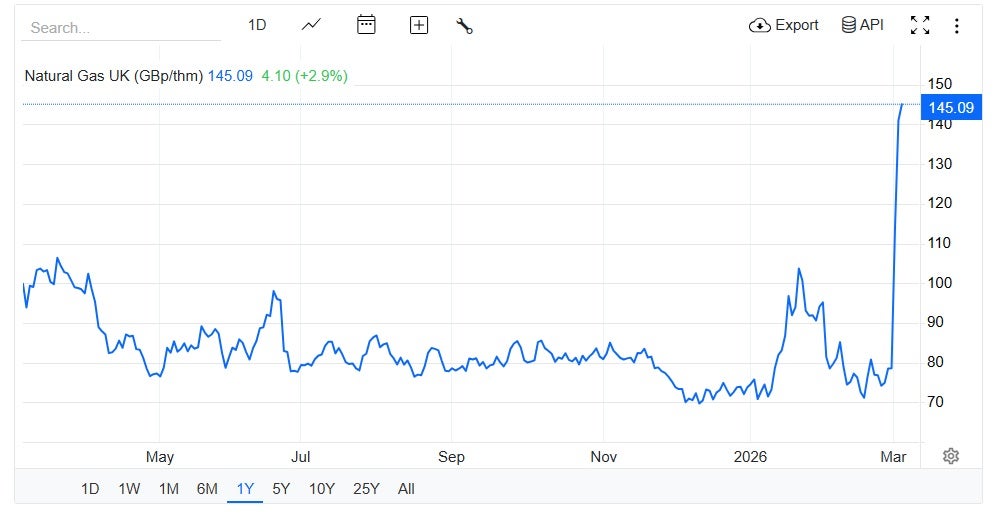
As a result, latest figures show the price of UK wholesale gas almost doubled since the start of the war – a situation described as “scary” by consumer champion Martin Lewis. Brent crude, the global benchmark oil price, has gone up more than 10 per cent.
Following Tuesday’s spring statement delivered by chancellor Rachel Reeves, think tank The Resolution Foundation issued a stark warning over the impact on UK household bills.
open image in gallery
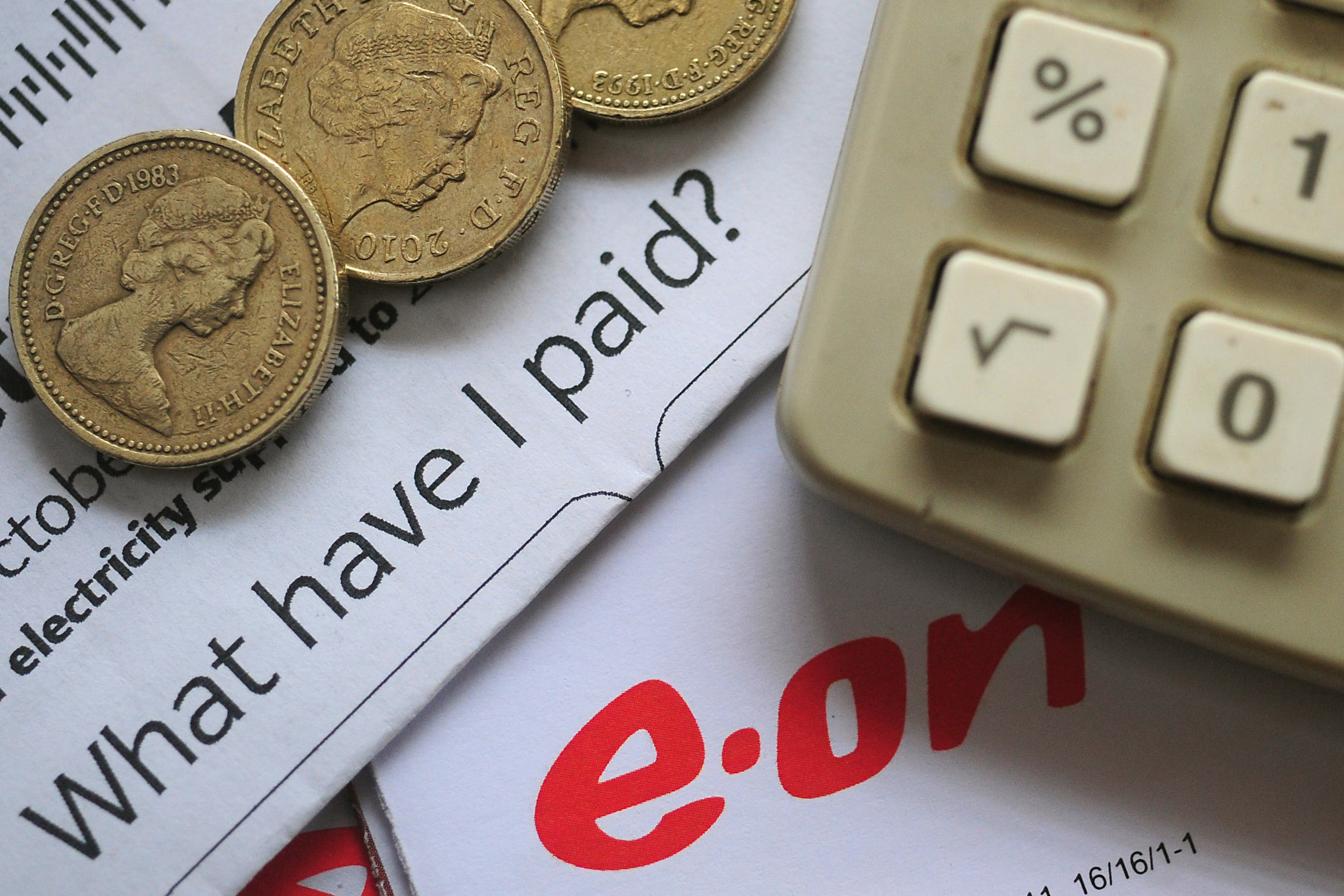
UK households look set to be hit by rising energy bills as a result of the Iran war (PA) (PA Archive)
In a statement, it said: “If recent rises in the price of oil and gas were to be sustained they could add around a percentage point to inflation and £500 on to typical annual energy bills.
“The latter increase would be particularly damaging for poorer families as they spend more than twice as much of their budgets on energy as richer households.”
The warning comes after many households looked forward to fall in energy bills, after the regulator Ofgem announced a drop in the price cap in April, part of the government’s commitment to reduce annual bills by an average £150.
On Wednesday, the Resolution Foundation did also forecast a one-off increase in living standards this year. Looking at inflation, wages and living costs, the think tank said that living standards for the typical working-age family look set to grow by £300 over the coming year.
However, a steep rise in wholesale prices could see the energy cap increase in three months’ time, and bills start to rise again.
open image in gallery
The cost of UK natural gas has almost doubled since the start of the Iran war (Trading Economics)
Ruth Curtice, chief executive at the Resolution Foundation, said: “This coming year is set to be a decent one for living standards, and a bumper one for poorer families, as wages and benefit support rise above the level of inflation. But a fresh energy price shock risks puncturing this good news.”
Mr Lewis, however, pointed to context on wholesale gas prices by highlighting the impact of the start of the Ukraine war, which sent charges prices spiralling.
“I’m not saying it won’t get worse and I’m not saying it won’t be sustained, but I think there is a little bit of putting it into perspective at the moment,” he said on Tuesday. “We are not currently in the Ukraine type spike situation, but it has gone up.”
During the spring statement, Ms Reeves said she would meet North Sea industry leaders on Wednesday to discuss gas and oil prices as she faced pressure to prepare an emergency plan to deal with the issue.
The meeting with North Sea bosses will prompt speculation that their tax burden could be under consideration, with it being currently set at 38 per cent.
Graeme Downie, Labour MP for Dunfermline and Dollar and a member of the Commons’ energy select committee, told The Independent that the chancellor needed to take “urgent steps” to protect the country.
Speaking on Tuesday, he said: “The consequences of the actions by Iran could be felt here in the UK through increased energy bills quickly and painfully and it will be those who have the least who will be hurt the most.
“The government is already making important improvements in energy infrastructure to increase resilience and we have seen signs of acceleration to increase defence spending much faster as well.”