

Toronto Mayor Olivia Chow is asking city council to develop a paid “surge capacity” sidewalk shovelling program that would enlist residents to help dig the city out after major snowstorms, similar to one used in New York City for the first time last week.
In a March 3 letter to Toronto’s executive committee, obtained by CTV News Toronto, Chow urged staff to design the program for implementation “as soon as possible and no later than the 2026-2027 winter season.”
The move comes just days after CTV News examined whether Toronto should follow New York’s lead in paying residents by the hour to clear snow. Previously, when asked, the mayor’s office had not confirmed whether such a program was under consideration.
Now, Chow is formally putting the idea on the table.
From frustration to formal proposal
“In 2021, City Council voted to expand sidewalk snow plowing to include all sidewalks in the City of Toronto,” Chow wrote, noting that before that change, property owners in some areas of the city were responsible for clearing their own sidewalks.
The mayor went on to add that during “significant snowfalls,” the city has encountered issues with sidewalk plows, which she acknowledged as a “point of frustration.”
In January, City manager Paul Johnson revealed only 66 to 75 per cent of sidewalk machines are operational on a given day due to reliability issues.
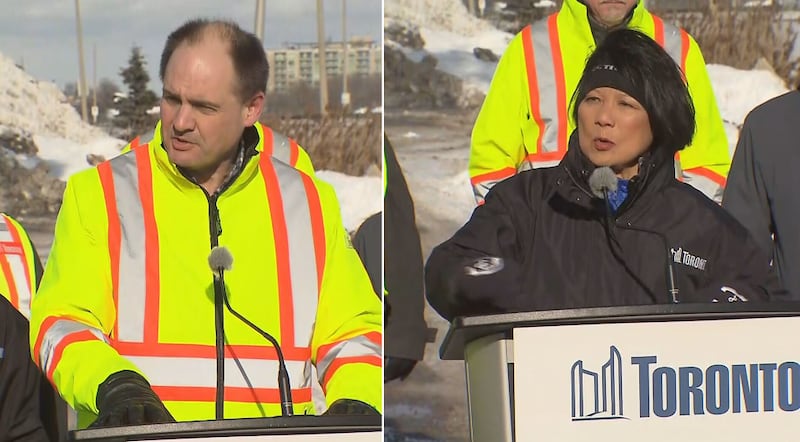 CHOW and JOhnson Mayor Olivia Chow and City Manager Paul Johnson speak to reporters on Wednesday January 28, 2025 (CP24 photo).
The letter also pointed to previous efforts to improve the system, including a motion directing staff to purchase “new, better sidewalk plows capable of moving larger quantities of snow without getting bogged down or breaking down.”
“While this is an improvement, there is still more we can do to get Toronto moving after extreme storms,” she wrote.
Chow said she had previously asked staff to explore paying Torontonians to help shovel snow, but at the time “staff identified challenges with legal liability and operational considerations.”
Instead, the city pursued other measures, including securing provincial highway snow removal crews to free up municipal resources.
Could New York’s model of paying residents to shovel snow work in Toronto? Matti Siemiatycki, Director of Infrastructure at U of T, weighs in on a growing debate over Toronto implementing a program to pay residents for shoveling snow.
Now, she argues Toronto should revisit the idea — and take notes from New York City.
“Cities do best when we learn from each other and adopt best practices from other cities,” Chow wrote. “We now have the opportunity to engage our counterparts in New York City on their recent success with a paid relief snow shovelling program, and implement lessons learned right here in Toronto.”
How New York’s model works
In New York City, officials recruit temporary “Emergency Snow Shovellers” to clear bus stops, crosswalks and fire hydrants after major storms. Pay typically starts at US$19.14 an hour and has risen as high as US$30 an hour during blizzard conditions, with overtime rates after 40 hours.
The program has drawn significant interest, with more than 1,400 new sign-ups in a single day during a recent storm, according to city officials there.
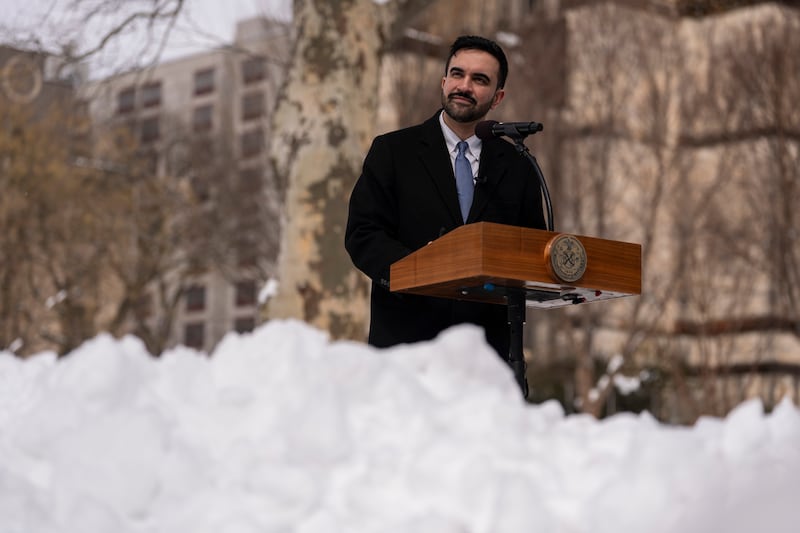 APTOPIX Mamdani New York New York City Mayor Zohran Mamdani speaks during a news conference in Morningside Heights in New York, Wednesday, Feb. 25, 2026. (AP Photo/Yuki Iwamura)
Toronto, by contrast, relies primarily on contracted plows and municipal crews.
City data shows more than 433,000 tonnes of snow have been removed so far this winter — about 70 per cent more than at the same point last year. More than 43,000 service requests have also come through 311 since January, with about 90 per cent completed.
A debate that isn’t going away
In her letter, Chow said she has had “several productive conversations with the city manager and our winter operations team about continuing to improve winter service operations” and expressed confidence staff “will work to get it done.”
Her recommendation directs the deputy city manager of infrastructure services, in coordination with transportation services, the chief people officer and the city solicitor, to develop the program.