
If survival is the primary objective, then widening the circle of enemies is a high-stakes move. Yet from Tehran’s perspective, restraint may appear equally risky if it signals weakness.
Reports that local commanders may be selecting targets or launching missiles with relative autonomy raises further questions.
If accurate, this would not necessarily indicate the collapse of command structures. Iran’s military doctrine, particularly within the Islamic Revolution Guard Corps (IRGC), has long incorporated decentralised elements to ensure continuity under heavy attack.
Communication networks are vulnerable to interception and jamming. Senior commanders have been targeted. Air superiority by the US and Israel limits central oversight. Under such conditions, pre-authorised target lists and delegated launch authority could be deliberate safeguards against decapitation.
This structure may explain how Iranian forces have continued operating after the killing of senior IRGC figures and even after the killing of Ali Khamenei, Iran’s supreme leader and commander-in-chief, in the opening US-Israeli strikes on Saturday.
But decentralisation carries risks. Local commanders acting with incomplete information may strike unintended targets, including neighbouring states that had sought neutrality.
The absence of a unified operational picture increases the probability of miscalculation. If this continues for long, it could also result in the loss of command and control.
Ultimately, Iran’s approach appears to rest on a belief that it can absorb punishment longer than its adversaries are willing to sustain pain and costs.
If this is the case, then it is a form of calculated escalation: endure, retaliate, avoid total collapse and wait for political fractures to emerge on the other side.
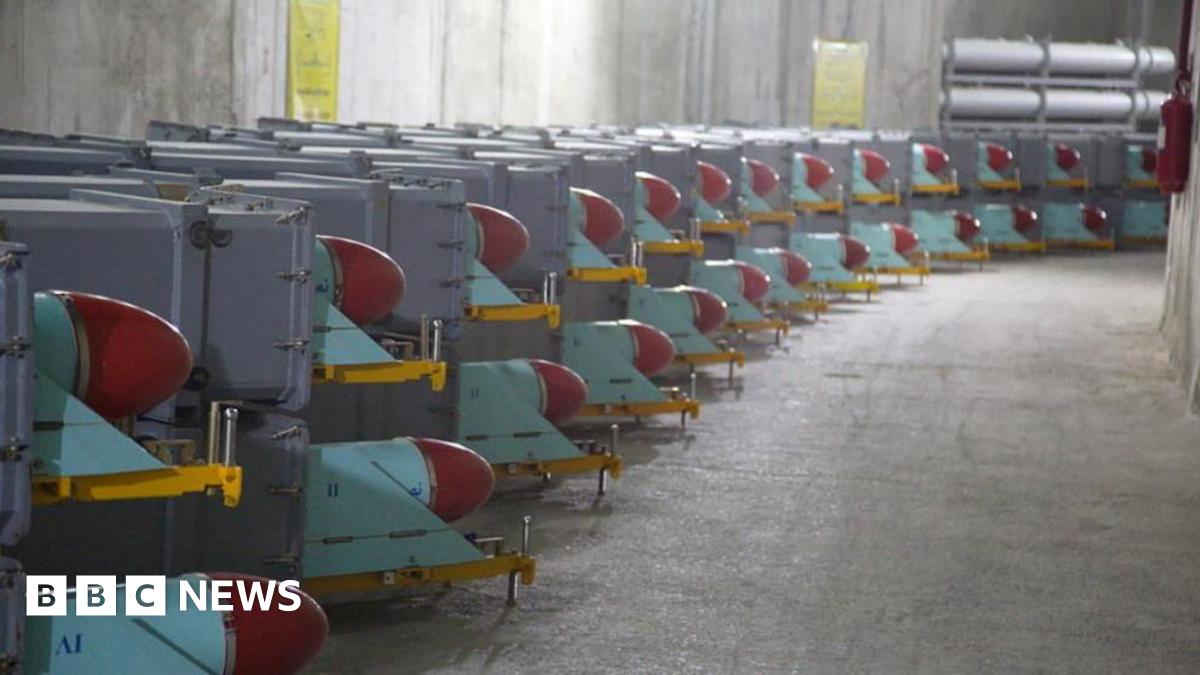
Yet endurance has limits. Missile stockpiles are limited and production lines are constantly under attack. Mobile launchers are targeted on the move and replacing them takes time.
The same logic applies to Iran’s opponents.
Israel has not been able to rely completely on its air defence systems. Each breach amplifies public anxiety. The US must weigh regional escalation, energy market volatility and the financial burden of sustained operations.
Both sides seem to assume that time favours them. Both cannot be right.
In this war, the Islamic Republic does not need triumph. It needs to remain standing.
Whether that objective is achievable, and without permanently alienating its neighbours, remains the unanswered question.