
 Credit: Ellen Schmidt/MinnPost/CatchLight Local/Report for America
SUPPORT LOCAL NEWS
Your donation today will help MinnPost continue to report on the news you need.
Cityscape | Twin Cities urban geographer Bill Lindeke weighs in on city life, transportation, planning and more in his column delivered to your inbox weekly.
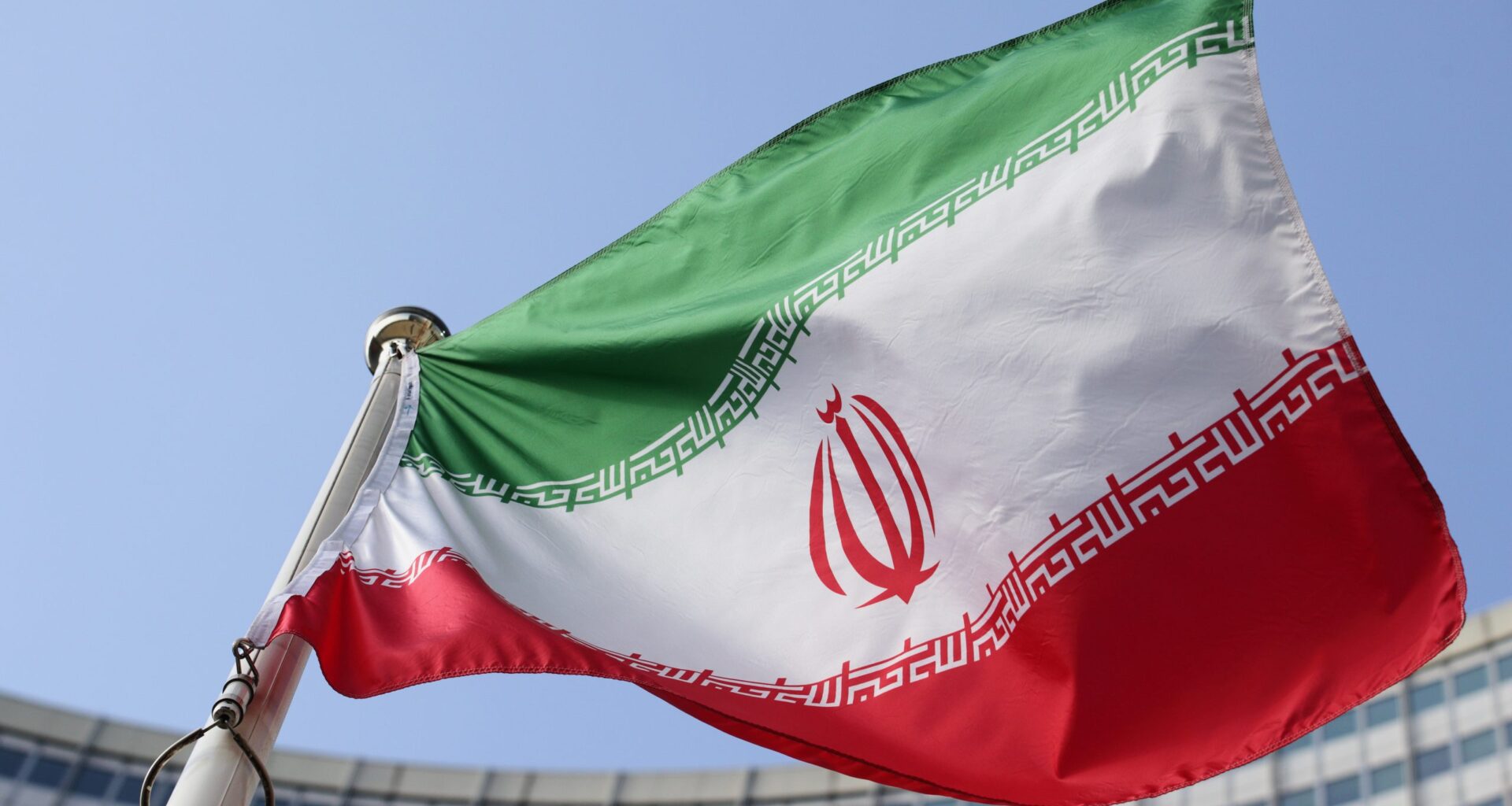
My husband Armin and I keep getting asked, “How do you feel about the war with Iran that has just started?”
The truth is, there isn’t a simple answer.
For over 40 days, we’ve already been at war. Not with weapons. With prayer. With fasting. With tears. We’ve sat with Iranians who are grieving. We’ve listened to stories of mothers who’ve buried their children. We’ve felt the ache of a nation that’s lived under an Islamic regime for 47 years, a regime that’s imprisoned, tortured and killed its own people.
This isn’t political for us. It’s deeply personal.
Armin and his family fled that regime in the middle of the night. They quietly left everything behind, climbed a mountain into Pakistan, and waited for a refugee pass to the United States. They didn’t leave because they wanted to. They left because they had to. Because staying meant death.
So how do we feel?
We feel grief. We feel the weight of the innocent lives that’ve already been lost and the ones who may be caught in the crossfire of war. War is never light. It’s never clean. It costs something.
Related: ‘Operation Epic Fury’ isn’t preemption — it’s a gamble with the future
But beneath the grief, something else is rising.
Hope.
Because the Iranian people haven’t stopped crying out for freedom. They haven’t stopped resisting in quiet, courageous ways. And when you’ve watched winter last for 47 years, even the smallest crack of light feels like sunrise.
I keep thinking about Song of Songs 2:11 and 13:
“The season has changed. The bondage of your barren winter has ended, and the season of hiding is over and gone. Can you not discern this new day of destiny breaking forth around you?”
Spring isn’t just a season in Iran. It’s sacred. On March 21, Iranians celebrate Nowruz, which literally means “new day.” It marks the Persian New Year, a celebration of renewal, rebirth, cleansing and light overcoming darkness. Homes are washed. Tables are set with symbols of life. Families gather believing that winter doesn’t get the final word.
A new day is coming.
Church, this isn’t the time to scroll past.
This isn’t the time to stay silent.
This isn’t the time to reduce a nation to headlines.
The Iranian people aren’t our enemies. They’re image bearers of God. They’re mothers, fathers, artists, students, pastors and children. Many are our brothers and sisters in Christ, worshipping underground at great cost.
The body of Christ must rise.
Pray like it matters, because it does.
Fast if you feel led.
Intercede for protection over innocent lives.
Pray for supernatural courage for believers inside Iran.
Pray for justice.
Pray for restraint of evil.
 Ashlee Assadi and her husband Armin, who fled the brutal regime in Iran and now lives in Blaine. Credit: Ashlee Assadi
Pray that what the enemy meant for destruction becomes the birth pains of freedom.
Lord, protect our troops. Protect the Iranian people from the casualties of war. Shield the innocent. Comfort the grieving. Strengthen the underground church. Let a holy battle cry rise from Your people across the world. Shake complacency. Awaken intercessors.
As Nowruz approaches, as a new day dawns, let it be prophetic over Iran. Let winter end. Let bondage break. Let resurrection life flood that nation.
Let freedom ring.
Amen.
Ashlee Assad and her husband Armin Assad live in Blaine. They first posted this commentary on Facebook.
Want to add your voice?
If you’re interested in joining the discussion, consider writing a Community Voices commentary or counterpoint. (For more information about Community Voices, see our Submission Guidelines.)
Related