
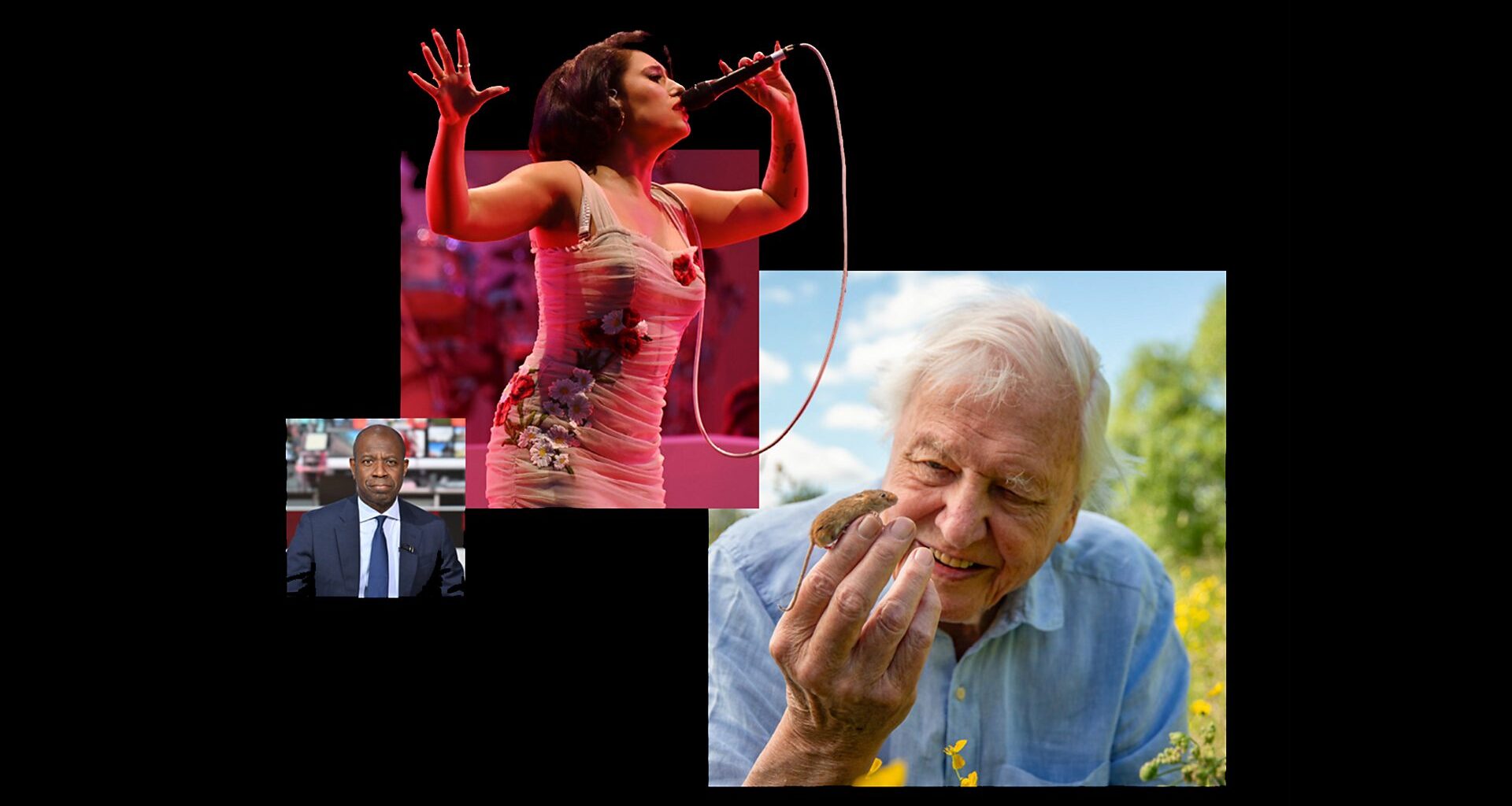
The BBC has today published its vision to boost the UK’s creative economy, support democracy and give greater value to audiences.
In a 100-page response to the Government’s Charter Review consultation, the BBC described this as an “urgent opportunity for the UK to secure the world’s leading public service media organisation” for the UK and beyond.
The response – titled A BBC for All – covers four key areas – the BBC’s role as a trusted institution; delivering services for the public good; driving growth across the UK; and sustainable and fair funding.
The Government’s Green Paper, published in December, recognises the BBC’s unique role and value to the UK and wider society, describing it as a “national institution that belongs to all of us” adding “if it did not already exist, we would have to invent it”.
In today’s submission the BBC warns this Charter Review is the moment to make clear choices to back the organisation and support all that it delivers for the UK.
Specifically, it highlights the need for radical reforms to its independence, its ability to respond to the changing needs of audiences and, crucially, more sustainable, universal funding.
The current funding model – designed for a different era – cannot maintain the BBC’s public service mission for the future. In addition, the BBC is calling on the UK Government to recognise the role played by the World Service as a global beacon of media freedom and take back full funding.
It argues that a Charter Review that simply preserves the status quo will not be enough to deliver a BBC that remains recognisable to audiences nor brings benefits to UK society and beyond.
The BBC offers a range of proposals to do more for UK audiences, focused on delivering the BBC’s three roles – to pursue the truth with no agenda, back the best homegrown storytelling and bring people together – which are needed more than ever in an increasingly partisan and contested world. Alongside this the BBC will continue to transform and modernise.
The BBC’s proposals include doing more to tackle disinformation and misinformation through trusted news and information and the deployment of new technology. It also has ambitious plans to strengthen our partnerships with local news providers and expand Local Democracy Reporting Service reporters and coverage to support grassroots democracy. And it proposes evolving Bitesize to reach and support more children – boosting media literacy, knowledge, confidence and critical skills to help them navigate today’s rapidly evolving world.
The proposals also include doing more to reach audiences who are consuming content on third-party services and opening up BBC platforms like iPlayer to other UK public service media.
These plans will not only deliver radical change to the organisation but support the UK’s democracy, creative economy and society – moving more money and power across the UK to and growing the BBC’s reach and impact abroad. However, none of it will be possible without reform of the BBC’s funding.
BBC Chair Samir Shah says: “The BBC is a vital national asset. A shared investment in the UK’s culture, communities, and democracy.
“It supports world-leading creative industries and drives economic growth, as well as promoting the UK’s interests and influence abroad.
“But it is also at risk like never before and this Charter must deliver reform. In a fast-changing and challenging world, the BBC is needed more than ever.”
Director-General Tim Davie says: “The BBC is a world‑class success story at the heart of the UK’s cultural life and our growing creative industries, still rooted in our founding principles to inform, educate and entertain.
“The BBC stands ready to continue to innovate, to do more for audiences and to support our partners across the UK. But the choice here is clear: back the BBC or watch it decline, the status quo is not an option. Clear decisions are needed to ensure the BBC is funded sustainably and fairly so it can continue to deliver, both for audiences and for the country.
“Our response to the Government consultation sets out our vision for what we think can be achieved in the future, with reform, bold choices and investment – a BBC for all.”
The three key areas for Charter reform are:
Independence: The BBC is unique in having a Charter that expires every decade and this fixed end-date which threatens its right to exist should be removed. There should also be changes to board appointments and how funding decisions are made about the BBC. Alongside this the BBC will focus on how to strengthen feedback from and accountability to the public.
Funding: The Charter must provide a funding model that is fit for the future. The current model can no longer sustain the BBC’s public service mission. Reform is required to ensure universal funding that is sufficient, sustainable and fair for all. Government should also take back full funding of the World Service.
Pace of change: The Charter must allow the BBC to move at the pace of today’s media world. Proper checks and balances must apply but the BBC cannot be regulated for the past. The new Charter must reflect the realities of fierce global competition and rapid technological change with a lighter, more growth-focused regulatory framework.
The Government’s consultation is an opportunity for the public and the industry to have their say on the future of the BBC and shape the UK’s media landscape for the next decade and beyond. It closes on Tuesday, 10 March.
BBC Press Office
Follow for more