
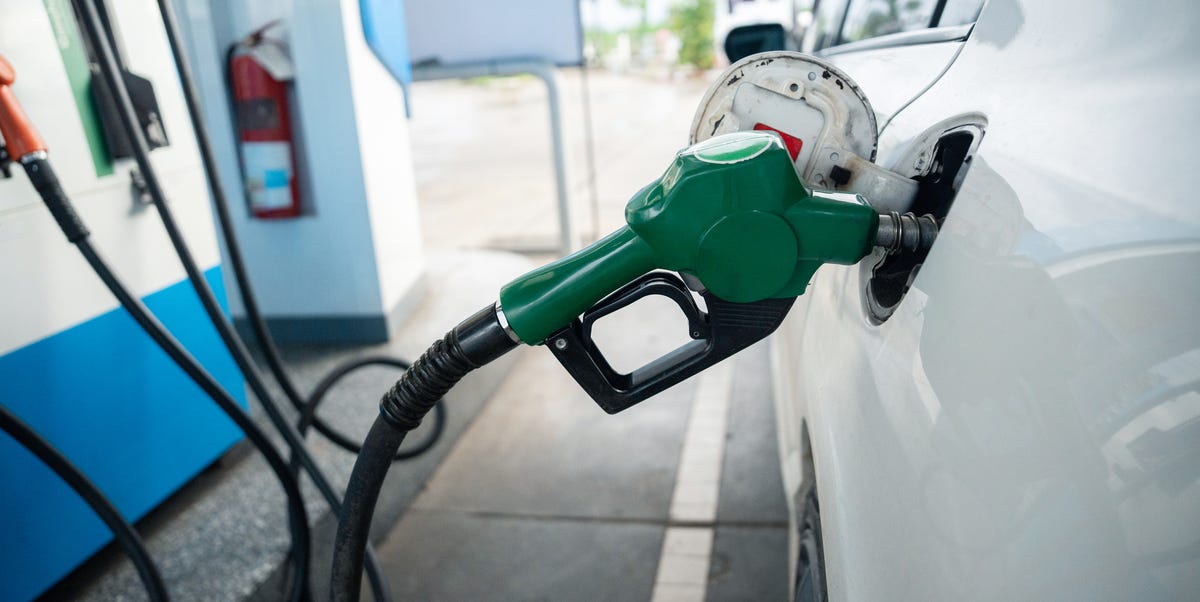
Gas prices have climbed by nearly 9 percent in the last week, with the national average for a gallon of regular gas now at $3.25, according to AAA.The increase comes after the United States and Israel launched a military conflict against Iran, affecting oil exports from the Middle East.The last time the average experienced a similar weekly jump came in March 2022, after Russia invaded Ukraine.
It has been nearly one week since the start of the war led by the United States and Israel against Iran, and while the conflict has caused turmoil throughout the Middle East, its effects are also being felt worldwide. The fighting has caused difficulties in exportation from the oil-rich region, and now data published by AAA show that gas prices are rising in the United States as a result.
AAA reports that the national average for a gallon of regular gasoline has gone up by nearly 27 cents since last week, with the average cost now sitting at $3.25. That’s roughly 9 percent higher than one week ago, when the average was $2.98 per gallon. The average sat at $2.89 per gallon one month ago. The higher prices are the result of more expensive crude oil, which is now in the mid-$70-per-barrel range.
Germán Vogel|Getty Images
Gas prices vary greatly by state. The most expensive states currently are California at $4.81, Washington at $4.44, and Hawaii at $4.43. The least expensive states are Oklahoma at $2.79, Mississippi at $2.81, and Kansas at $2.83.
AAA says that spring usually brings higher gas prices, due to higher demand and the start of summer-blend gasoline production, when the EPA mandates a change to the fuel formula designed to reduce air pollution. The current price is now at the same spot where it was in early April 2025. Still, according to AAA, the last time the national average made a similarly significant week-over-week jump was in March 2022, just after Russia first invaded Ukraine. Meanwhile, AAA says the national average per kWh of electricity for public EV charging stations remained unchanged at 39 cents.
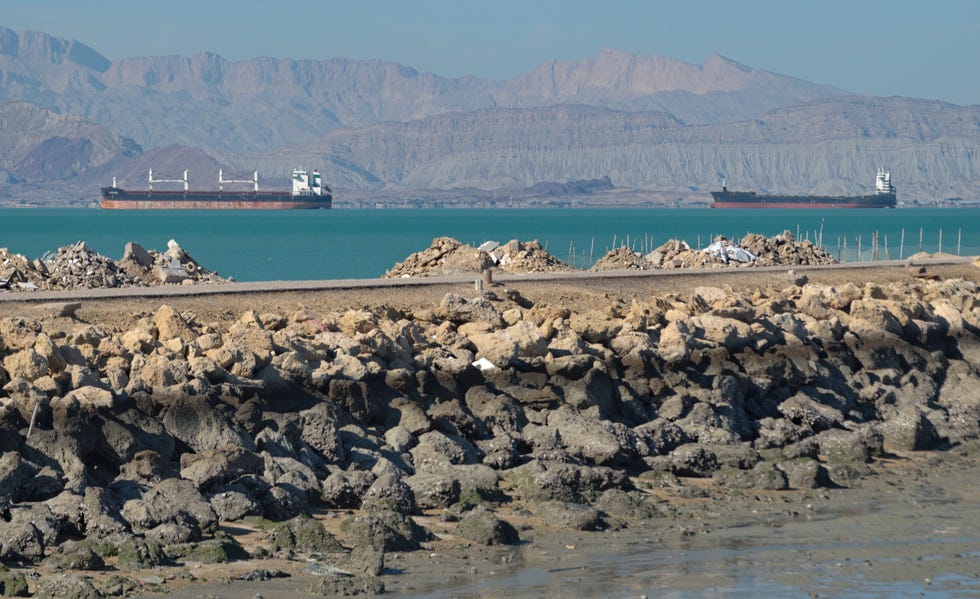
It’s unclear when the war will end and the gas supply chain will return to normal. The New York Times reports that roughly 80 oil and gas tankers usually pass through the Strait of Hormuz, a narrow waterway that passes between the southern coast of Iran and the northern coasts of the UAE and Oman. Only two tankers passed through the strait on Monday, and only one on Tuesday, according to The New York Times.
Related Stories
➡️ Skip the lot. Let Car and Driver help you find your next car.

Caleb Miller began blogging about cars at 13 years old, and he realized his dream of writing for a car magazine after graduating from Carnegie Mellon University and joining the Car and Driver team. He loves quirky and obscure autos, aiming to one day own something bizarre like a Nissan S-Cargo, and is an avid motorsports fan.