

A U.S. Coast Guard member who was injured during a rescue last week and was taken to Victoria General Hospital for care has died of his injuries.
Coast Guard Petty Officer 2nd Class Tyler Jaggers died on March 5 after he suffered “critical injuries” during a rescue call to a cargo ship named the Momi Arrow some 120 nautical miles west of Cape Flattery, Washington, on Feb. 27.
Jaggers was taken to Victoria General Hospital, where he required intensive care. He was later flown from Victoria to Madigan Army Medical Center at Joint Base Lewis-McChord in Tacoma, Washington on March 3.
“During a ceremony attended by his family and fellow crew members from Air Station Astoria, the Coast Guard recognized Jaggers’ remarkable courage by meritorious advancement to Petty Officer Second Class and award of the Distinguished Flying Cross, one of the highest military awards for heroism during aerial flight,” said the coast guard.
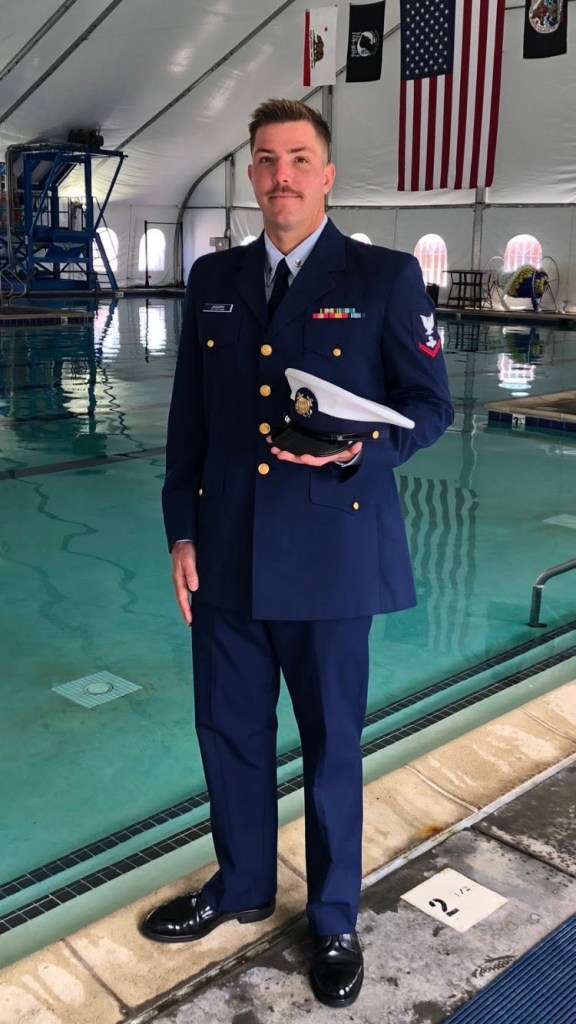 U.S. Coast Guard Petty Officer 2nd Class Tyler Jaggers is shown. (U.S. Coast Guard)
Jaggers joined the U.S. Coast Guard in January 2022, and was stationed in Astoria in April 2024.
The USCG says Jaggers had previously been recognized by the Secretary of Homeland Security for his time as a member onboard the U.S. Coast Guard Cutter Legare while it was sailing in the Caribbean Sea.
The U.S. Coast Guard says it’s conducting an investigation into the cause of his injuries, and will release further information “as it becomes available.”
“Aviation Survival Technician Jaggers represented the very best of our Service and the Aviation Rescue Swimmer community,” said Admiral Kevin Lunday, Commandant of the U.S. Coast Guard, in a statement Friday.
“He demonstrated extraordinary heroism in the face of danger, upholding the highest standards of courage and excellence for Coast Guard operations. We honor his selfless actions and unwavering devotion to our highest calling: to save others,” he said.
“His family has our deepest condolences and steadfast support, and we continue to honor their privacy during this very difficult time.”
READ PREVIOUS: