
There are many important places in the world, many crucial pieces of infrastructure and, as we have learnt this past week, many critical chokepoints, but few are quite as important as the Ras Laffan complex, at the very nape of Qatar.
Most folks haven’t heard of Ras Laffan, let alone visited it, but like it or not, our lives are bound up with this place. For this is the gateway to the single biggest store of energy anywhere in the world. It sits on the edge of the North Field, a vast underground reservoir of gas, smack bang in the middle of the Gulf.
No other single gas field, or for that matter oilfield or coalmine or uranium mine, accounts for quite so much of the world’s useful energy (in other words after you adjust for losses when burning it). The North Field is in a league of its own, as is Ras Laffan, which processes most of the gas coming out of it.
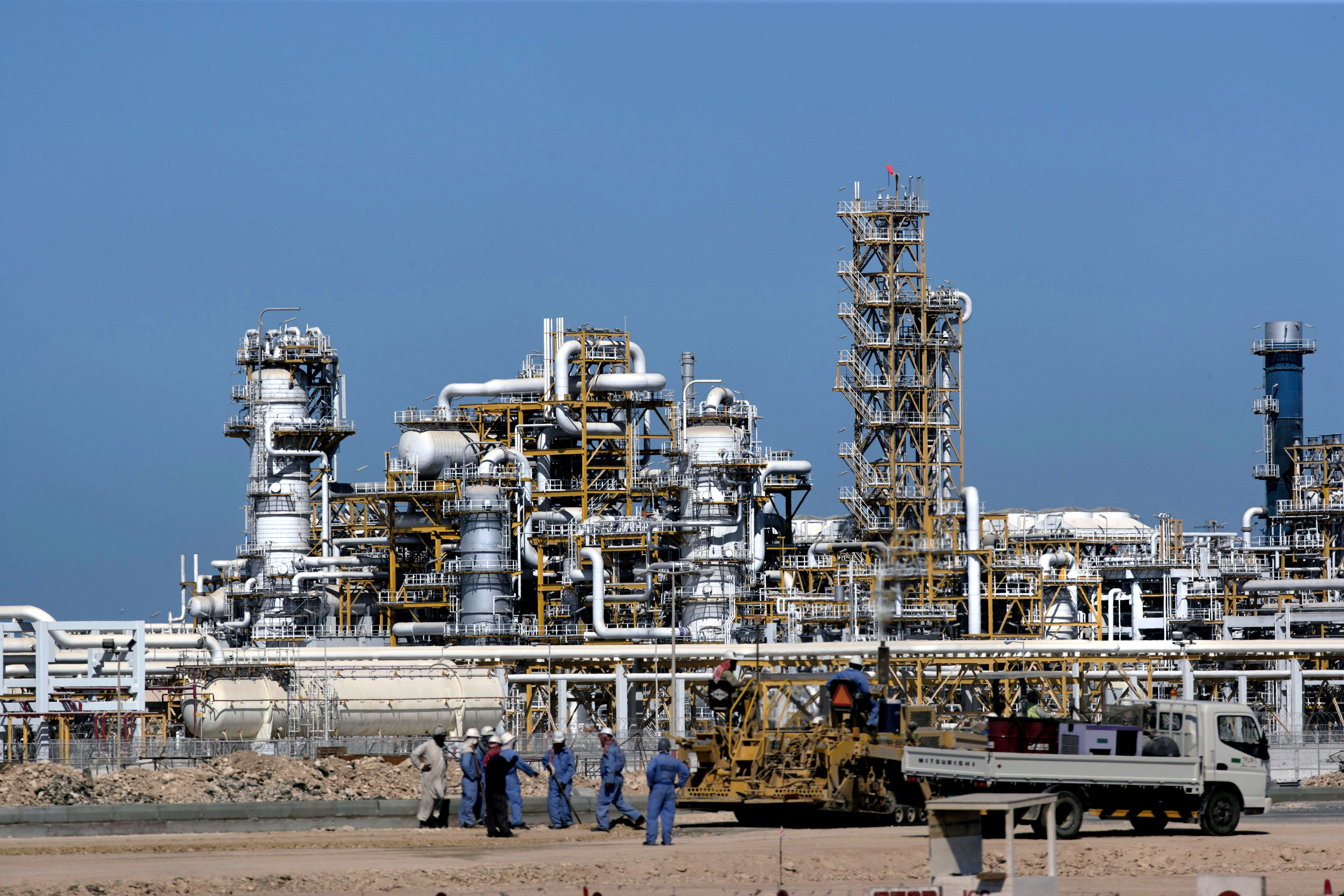
Part of the Ras Laffan natural gas liquefaction plant in Qatar
OLIVIER POLET/CORBIS VIA GETTY IMAGES
Not that much of this is obvious from looking at the place. I struggled to comprehend its importance when I visited to make a Sky News film a few years ago. We were driven from one end to the other in golf buggies, our minders trying patiently to explain that the 14 LNG (liquefied natural gas) production “trains” were not in fact locomotives but instead vast complexes of machines designed to take gas and liquefy it so it could be transported around the world. We got lost for a time, wandering through the jungle of steel pipes and emerged befuddled.
But as with so many other outposts of the material world, the criticality of Ras Laffan only becomes obvious when, all of a sudden, it’s not there any more. And that is the prospect the global economy is now wrestling with, after Ras Laffan was shut down on Monday, in the face of Iranian drone attacks.
Of all the events of the past week, this is perhaps the most consequential for Europe and Asia.
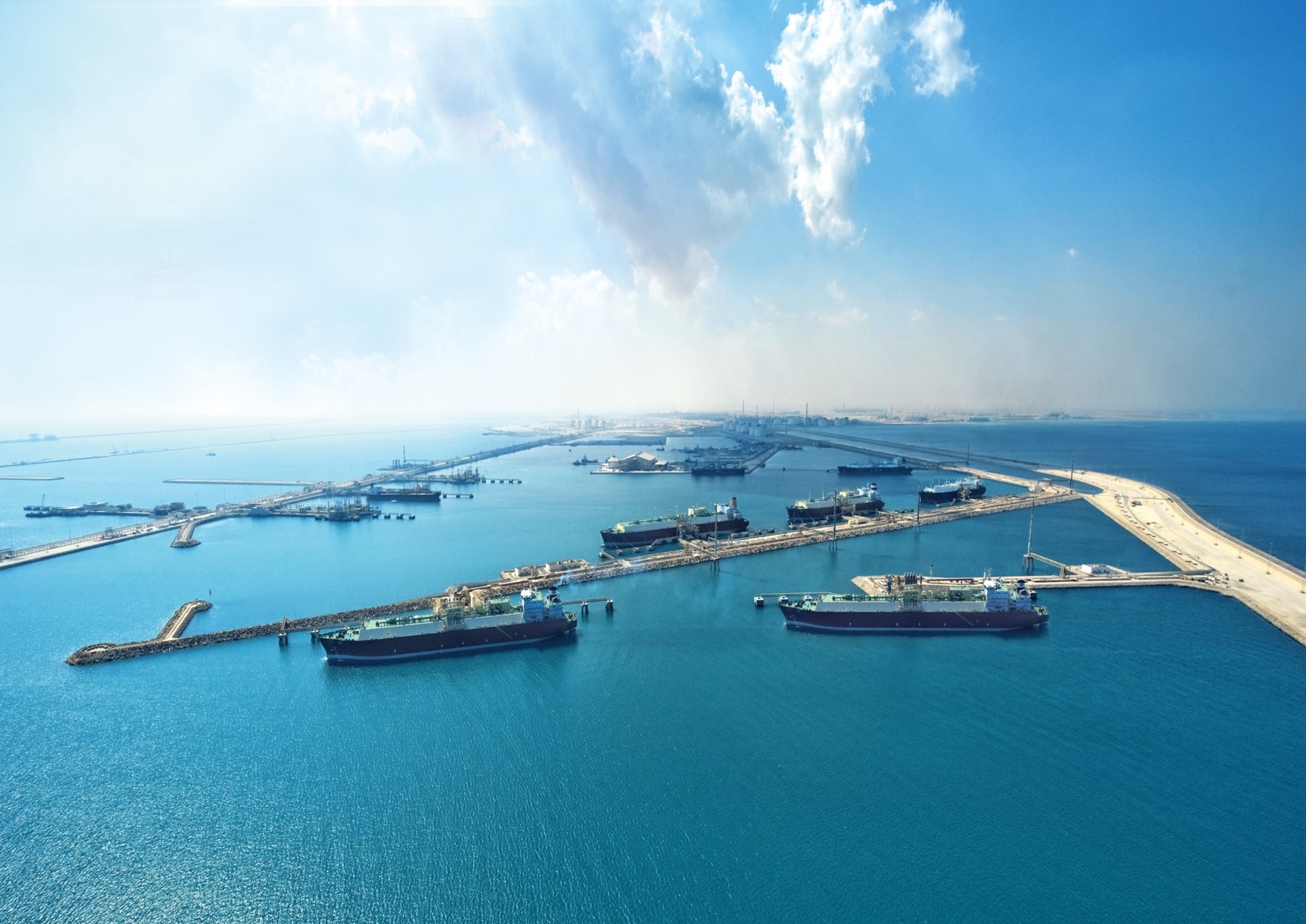
The export facility at Ras Laffan
RASGAS
Natural gas, methane, is the bedrock of Europe’s energy system, the source of most of our power (even in an era of growing renewables), the feedstock for most of our heating systems. It is the main ingredient in the fertilisers that keep us fed. It provides us with the helium we need to run our MRI scanners and tech nerds use for their quantum computers. And when Russia invaded Ukraine and Europe pledged to wean itself off Russian methane, it turned primarily to shipments of liquefied gas coming from overseas. The shutdown of Ras Laffan has thrown that entire market into turmoil.
Other countries are even more exposed. Up until Monday, the vast majority of Qatari gas had been loaded onto tankers and shipped to Asia. Nearly 40 per cent of Taiwan’s power comes from imported gas, which feeds the plants that enable the manufacture of most of the world’s most advanced computer chips. South Korea reportedly now only has nine days of gas reserves. Countries such as Pakistan and Bangladesh have no strategic reserves.
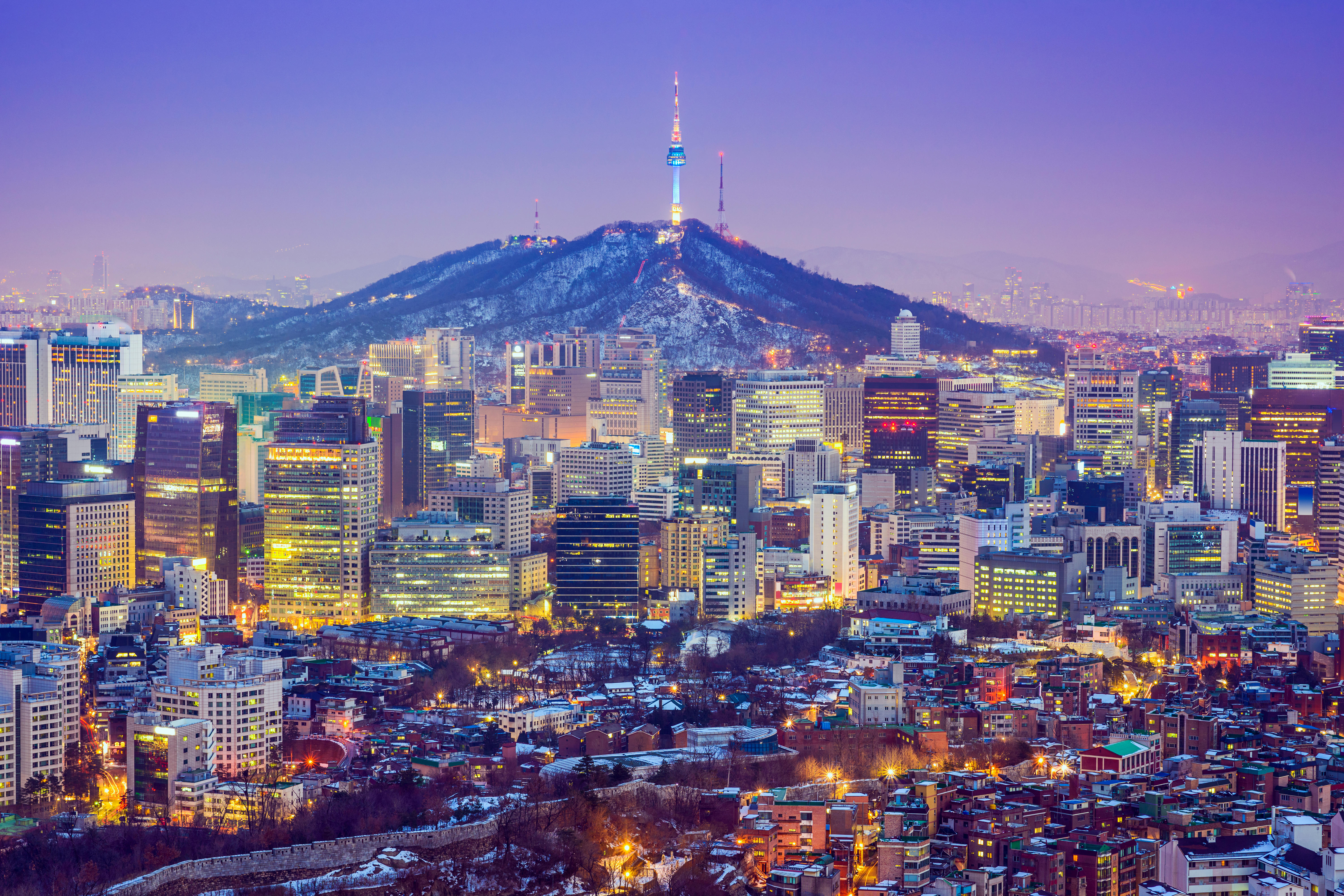
Seoul in South Korea. The country reportedly only has enough natural gas to last nine days
ALAMY
• Markets complacent over surge in oil price, warns analyst
But, this being a global market, the impact in Europe will be just as severe. Indeed, the events of the past week are the worst nightmare for many European politicians: having barely recovered from the last energy price shock, they are now staring down the barrel of something very similar.
British wholesale gas prices doubled last week, a jump that could prefigure a sharp rise in utility bills when Ofgem comes to refresh its price cap for the third quarter of the year.
Since the events in the Gulf are so unpredictable, the precise scale of the rise is hard to predict, but it is likely to stretch into hundreds of pounds on the average bill.
Bills, though, are just the start of it. If there was one lesson from the post-2022 energy crisis, it was that higher gas prices trickle into nearly every part of the economy: higher food prices, higher haircut prices, higher steel prices. The Bank of England is likely to ditch its plans to cut interest rates in the coming months, or at least that is what investors are assuming.
If this all sounds a little grim, then spare a thought for those living in the Gulf, who not only have to countenance weeks of bombardment, but also face an existential threat to their economic model, on two fronts.
• Oil price shocks have history of derailing world economy
The first problem is the one besetting oil producers — especially countries such as Iraq and Kuwait, who are simply not equipped for the closure of the Strait of Hormuz. Qatar’s energy minister said on Friday that this war could “bring down the economies of the world”, and that all Gulf energy exporters could shut down production within days.
Oilfields are not something you can easily switch off and on. And since there aren’t enough pipelines to get all that oil out of the region, the crude gushing from the ground under high pressure does not have anywhere to go. And so it backs up into their storage facilities, complexes of steel tanks at their terminals and ports.
But those tanks can only accommodate six and 14 days of storage in Iraq and Kuwait respectively (and not much more in Abu Dhabi and Qatar). Once that storage is exhausted these countries face an invidious choice. One option is to shut their wells, risking long-term, possibly permanent damage to their oil reservoirs. On Friday Kuwait announced that it was cutting production to conserve storage.
But if these states run out of capacity, the other option is to start emptying oil onto the land or the sea, or burning it off. That would be an environmental disaster of momentous proportions.
How the world’s economy might be torn up by the Strait of Hormuz
The second problem gets to the heart of the 21st-century Gulf, an economy that was attempting to pivot away from oil and gas and towards services. That pivot was and is dependent on an enormous influx of immigrants, lured to work in Qatar, Bahrain, Dubai and elsewhere by rock-bottom tax rates. Some 77 per cent of those living in Qatar are non-native; the analogous figures are 74 per cent in the UAE, 67 per cent in Kuwait and 52 per cent in Bahrain, according to World Bank data. Others put the proportions even higher. Either way, no other significant nation in the world comes anywhere close, raising the question: what if even a fraction of those immigrants decide they no longer want to live there? The short answer is that the economic model of the region comes under question.
• What is the Strait of Hormuz and why are energy prices surging?
All of this is before one gets to the rather more terrifying questions: what happens if and when Iran begins targeting the desalination plants that provide most of the region’s water? What happens when the grain stores across the Gulf are exhausted and freight can no longer pass through the Strait of Hormuz?
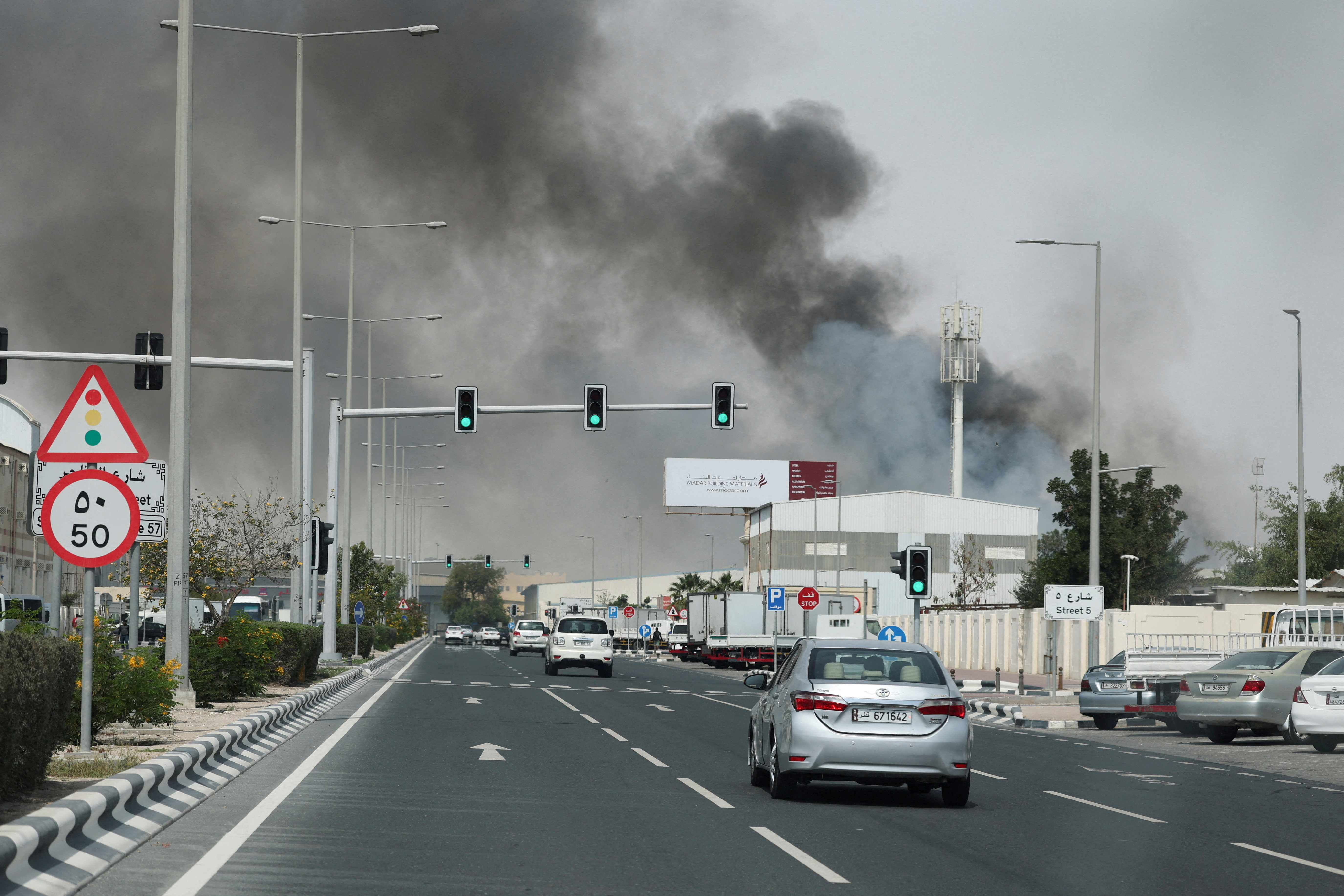
Smoke billows above Doha, in Qatar after an Iranian airstrike
MOHAMMED SALEM/REUTERS
All of which is to say, the events of the past week open up Pandora’s boxes across the world. Of course, the longer the Strait of Hormuz is in effect impassable, the worse this all gets.
The small mercy for Britain and Europe is that if the war is short-lived and the strait opens in a few weeks, the impact may be manageable. Bills will rise. We will all feel the pinch, as we have to reckon with another unpleasant wave of inflation. But even a few weeks might be too long for the Gulf nations — for the petrostates whose infrastructure was never built to accommodate a catastrophe of this sort, and the Arab nations hoping their residents would never have to live with air-raid sirens and the shutdown of air space.
The main beneficiaries, on the other hand, are the countries outside that can sell their oil and gas into this stupendously lucrative market. Chief among them are Russia and, yes, America. Quietly, over the past few years, it has leapfrogged everyone else to become the world’s biggest LNG exporter. Now, thanks to President Trump’s intervention in the Persian Gulf, those gas exporters stand to make a killing.
Ed Conway is the Economics Editor of Sky News and the author of Material World