
While President Donald Trump surprised some Thursday by predicting regime change soon in Cuba, an arm of the Justice Department has been running a quiet operation over the past several weeks to find criminal charges they could bring against Cuba’s top leaders, according to two people familiar with the effort.
A Justice Department-led effort to seek to prosecute leaders of the communist nation on the nation’s southern flank has been ongoing since mid-February, which could help propel a change in Cuba’s leadership, the people told MS NOW.
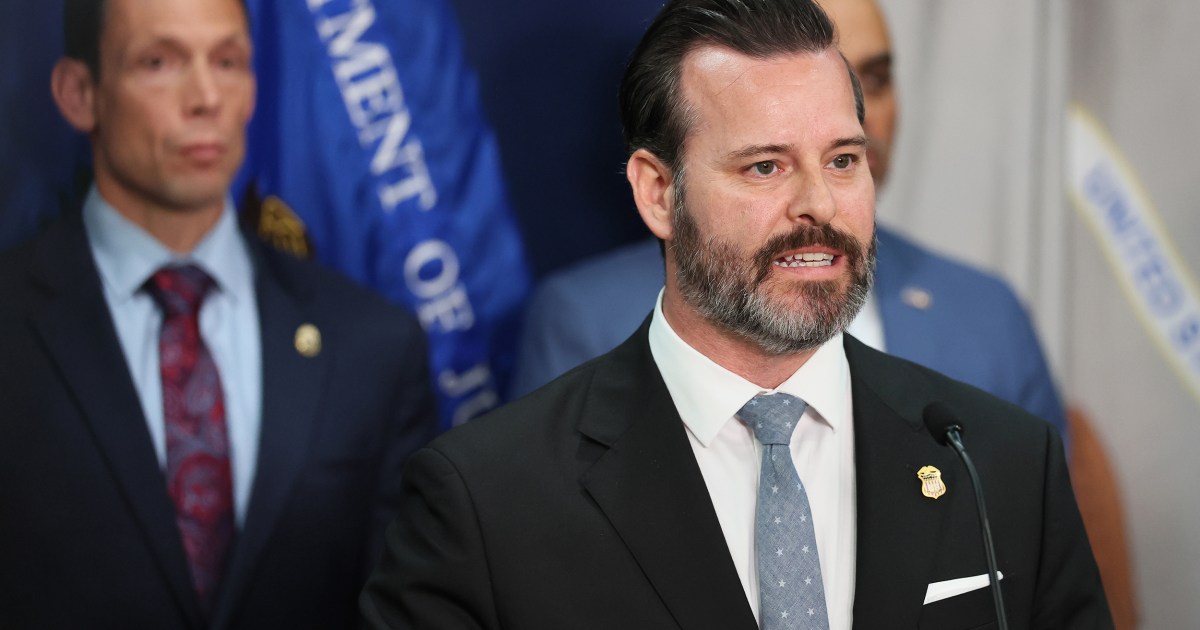
The U.S. attorney in Miami, Jason Reding Quinones, created the multi-agency working group, emphasizing internally that it had an urgent goal: find and pursue leaders of the Cuban government or Communist Party for prosecutable violations of federal law.
Law enforcement sources said they fear this approach marks a dramatic break from the Justice Department’s standards for prosecuting crimes, which have long required that federal investigators have some evidence or intelligence to suspect a specific crime has occurred before opening an investigation.
In the past, federal prosecutors or FBI agents have launched similar multi-agency working groups when they have information suggesting a pattern of criminal activity, and want to broaden their effort to determine the specific people responsible, former prosecutors told MS NOW.
But sources say that in this case, the working group’s stated mission appears to have instead picked a target in service of the White House’s goal of regime change, and is now in search of potential crimes it can charge.
Justice Department spokesperson Chad Gilmartin, responding to questions about the group, said in a statement, “Federal prosecutors from across the country work every day to pursue justice, which includes efforts to combat transnational crime.”
A law enforcement official briefed on the working group said Quinones’ effort seeks to better coordinate with federal law enforcement partners with expertise in his region. Quinones has been a loyal ally of Trump’s. Since being confirmed for his post, he has issued numerous subpoenas to investigate previous government officials that Trump believes were part of a “deep state” that targeted him and his campaign for criminal prosecution.
The Cuba working group appears to be generally following the model of the Trump administration’s Jan. 3 removal of Venezuelan president Nicolás Maduro based on arresting him on federal narcotics trafficking charges.
However, roughly a month ago, White House officials privately discussed their concern that they did not believe they could remove Cuba’s leadership in the same way they removed Maduro, due to the lack of a clear criminal charge, according to a person familiar with those discussions. The working group was created after that concern was raised.
In an awards ceremony Thursday, Trump said he thought he should pick the new leader of Iran and hinted that Cuba would be next.
“We want to finish this one first, but that will just be a question of time before you and a lot of unbelievable people are going to be going back to Cuba,” Trump said. He remarked that Venezuela is in far better shape since his administration forcibly removed Maduro and took over some of its oil supply.
Recommended

Carol Leonnig is a senior investigative reporter with MS NOW.

Jake Traylor is a White House correspondent for MS NOW.

© 2026 Versant Media, LLC
