

A Chapel Hill woman returned home on Saturday after she was trapped in Israel as the war with Iran began.
Lilia Austin was one of 100 women who were part of a Christian organization called Eagles’ Wings, a group that focuses on building relationships between Christians and people of Jewish faith. The organization regularly plans trips to Israel as part of its outreach.
Austin said the group was aware of rising tensions in the regions leading up to the trip, but felt safe enough to travel.
“My husband and I really felt like we still had the green light to go. We were vigilant, but we we did not feel concerned for me to go ahead and and just stay with the group,” Austin said.
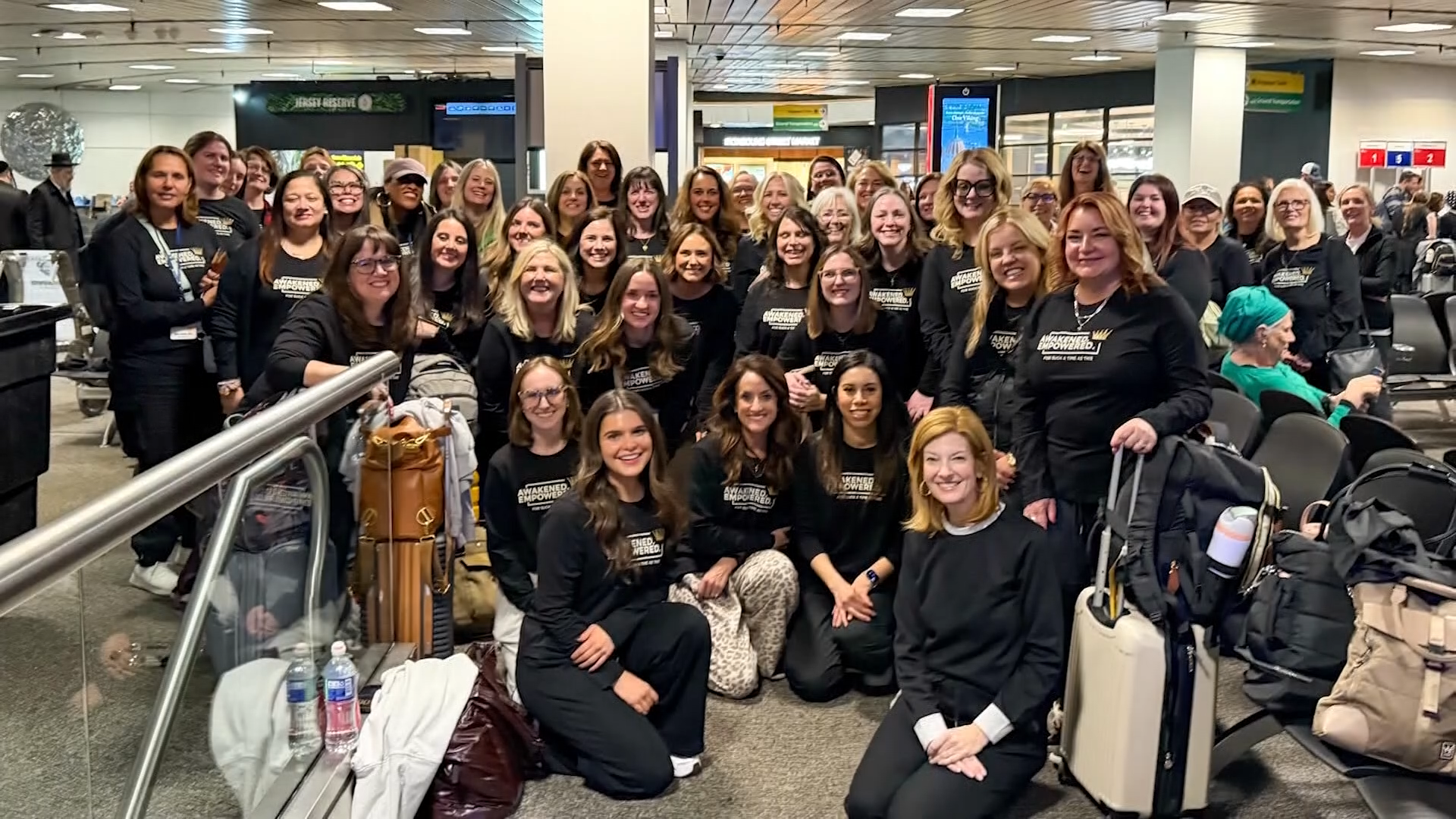
A day after she arrived, Iran’s Supreme Leader Ayatollah Ali Khamenei and several defense leaders were killed in joint strikes by the United States and Israel.
Austin said she knew the situation would be intense, but she didn’t know how quickly it would escalate. The mother of three children said her group quickly realized it was unclear how, or when, they would return home as Israeli airspace closed and many routes were deemed unsafe to travel.
“If we were a big
group, we would go to the bomb shelters next to the kitchen, where they were much larger because we were at a resort,” Austin said. “But if you were on a hotel floor, you would go to the bomb
shelter on your floor. So, very quickly, you had to get familiar and identify
what the safest place was.”
She said her experience of going in and out of bomb shelters while hearing missiles outside of her hotel gave her a new perspective on what people in the Middle East are experiencing.
“One of our tour guides is [also] a mother of three children. I get to go home and make sure her kids are safe. She doesn’t get to go home and be with her kids because her kids are serving in the war,” Austin said. “That will always stay with me. That these are real fathers and mothers and children who are fighting for their territory….fighting for their lives.”
Austin was among the many travelers who found themselves stranded in the Middle East after the initial attacks, which quickly entangled more surrounding countries, including Kuwait and Saudi Arabia, where seven U.S. service members were killed in retaliatory attacks from Iran.
Since the start of the war, U.S. citizens have described frustrations and growing fear as they encountered closed airports, canceled flights and confusing U.S. government guidance while Poland, Australia, France and other countries moved quickly to dispatch military or chartered planes for their citizens.
Airspace over Iran, Iraq, Bahrain, Kuwait and Syria remained closed, according to flight-tracking service Flightradar24. Azerbaijan also shut the southern sector of its airspace on Thursday after accusing Iran of a drone attack that injured four civilians and damaged an airport building.
On Friday, the U.S. State Department said about 27,000 Americans had returned to the U.S. since the war began on Feb. 28, many of whom made their own way out without assistance from the U.S. government.
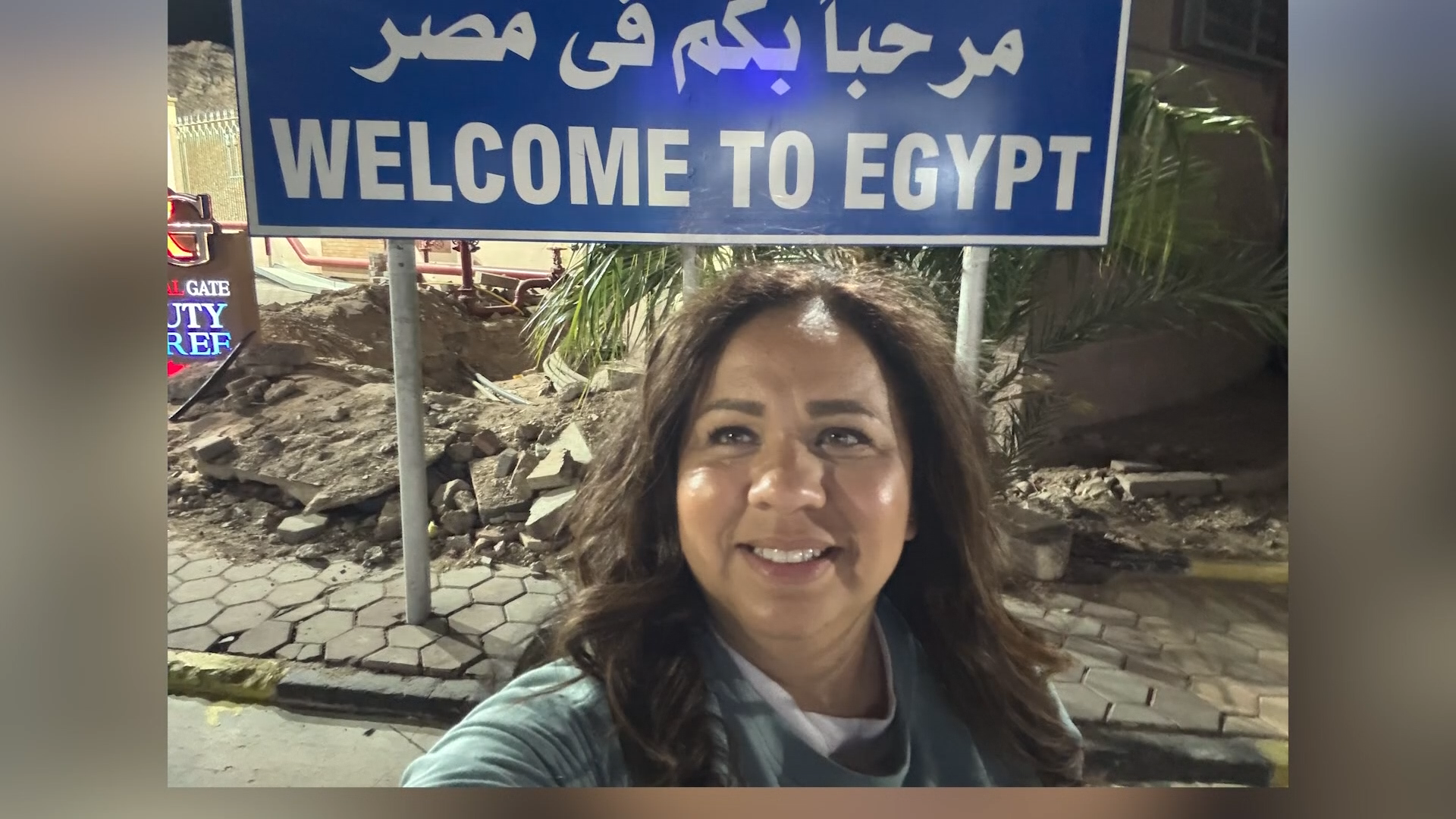
Austin’s group was eventually escorted from Israel to Cairo, where it was safe to fly out.
The Associated Press contributed to this report.