
Political hardliners have swiftly rallied behind Mojtaba Khamenei after he was named Iran’s new supreme leader. Thoughts now turn to how he will steer Iran through one of its biggest crises in its modern history and what his first move will be.
The US-Israel war with Iran has sent global oil prices past $100 per barrel, the first time it crossed that mark since Russia’s 2022 invasion of Ukraine. The surge was triggered by concerns the conflict would lead to prolonged restrictions on the flow of oil around the globe.
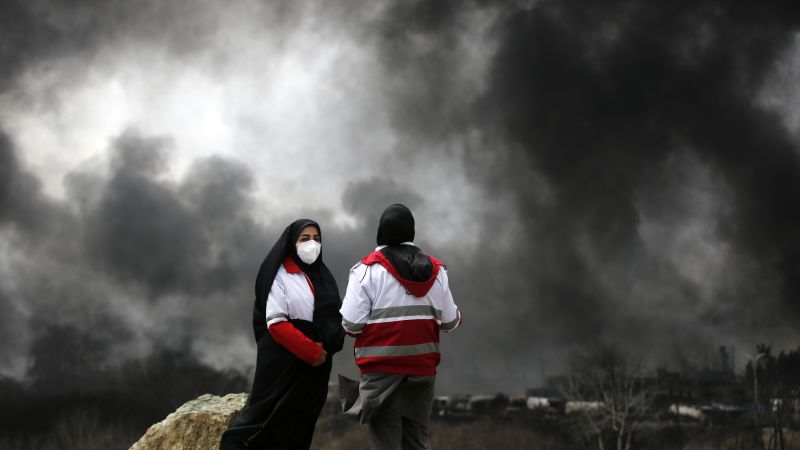
Israel’s attacks on Iran’s energy resources and fuel storage sites have pushed the war into a “new phase,” a senior Iranian official has warned, and threatened retaliatory strikes on energy infrastructure across the region.
Here’s what to know on day 10.
What are the main headlines?
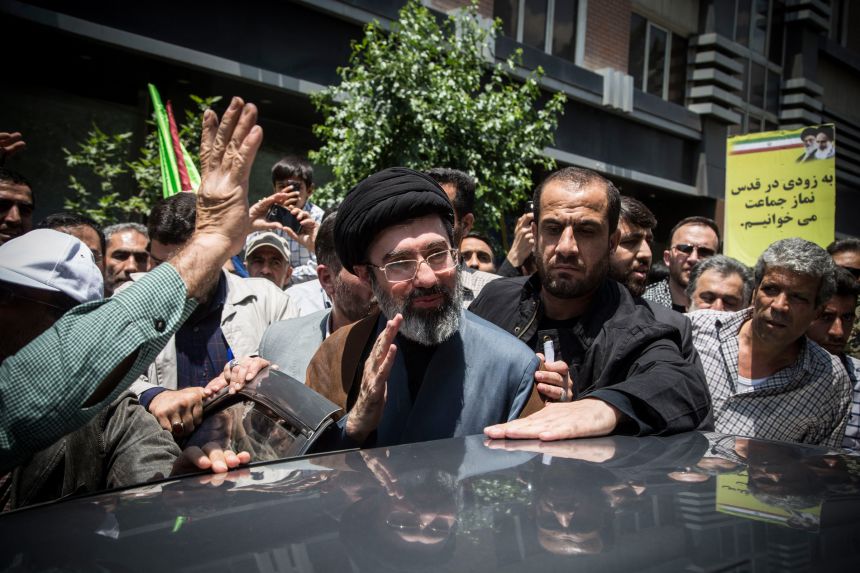
Khamenei dynasty: Iran’s key power centers, including the Revolutionary Guards, have said Mojtaba Khamenei is capable of guiding the country after he was chosen to succeed his slain father, Ali Khamenei, as the country’s new supreme leader. The IRGC said it was ready to “fully obey and sacrifice their lives” for him, signaling the likelihood of a stable transition. US President Donald Trump said last week that the younger Khamenei being selected would be “unacceptable” to him. Hopes for a more democratic future for Iran may now lie in tatters, as analysts say Mojtaba’s elevation suggest a continuity of his father’s hardline policies.
Surging oil prices: US oil futures rose 18% to about $108 a barrel, their highest level since July 19, 2022. Trump dismissed concerns, calling surging oil costs a “very small price to pay.” It comes as the war spreads to other countries in the Middle East, including attacks on nearby refineries in the oil-rich region.
Gulf attacks continue: Hours after Iran named its new supreme leader, the Islamic Revolutionary Guard Corps announced new missile launches. It comes a day after Israel launched attacks targeting Tehran’s energy resources. Countries in the Persian Gulf reported new aerial attacks and interceptions Monday morning.
School strike: Defense Secretary Pete Hegseth said the US was still investigating a strike on an Iranian elementary school that killed at least 168 children, according to state media. His comments came after new video appears to confirm a US airstrike targeted a naval base next to the school, adding to a body of evidence contradicting Trump’s recent claims casting blame on Iran.
Personnel told to leave: The US State Department ordered non-emergency diplomats to leave Saudi Arabia — a reflection of the risks facing US personnel as the conflict in the region deepens. A US service member died after sustaining injuries during an attack last week in the country.
What’s happening in Iran and Lebanon?
“New phase” of war: A senior Iranian official told CNN there was no prospect for an immediate end to the conflict. He said Israel’s attacks on oil and fuel depots have pushed the war into a “new phase.” The official threatened retaliatory strikes on energy infrastructure, raising concerns about potential further disruptions to regional oil and gas facilities.
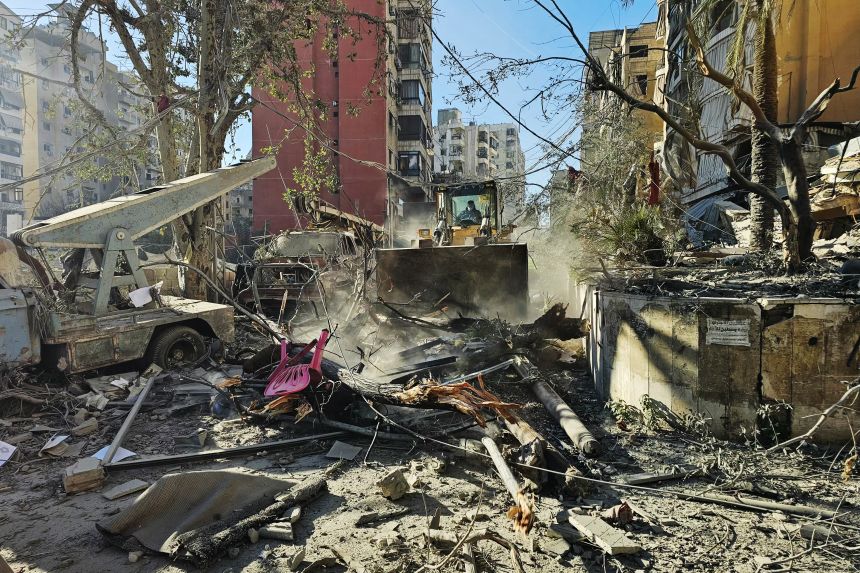
Israel targets IRGC commaders: The Israeli military said it carried out a strike in Beirut that killed several senior commanders from the Islamic Revolutionary Guard Corps (IRGC) Quds Force. Lebanon said the strike targeted a hotel room and four people were killed.
Stay or go?: One Tehran resident said his family was divided on whether to leave the city, saying people are “under a lot of pressure.” Israeli strikes on fuel depots Saturday night were “the heaviest bombardments since the start of the war,” he said.
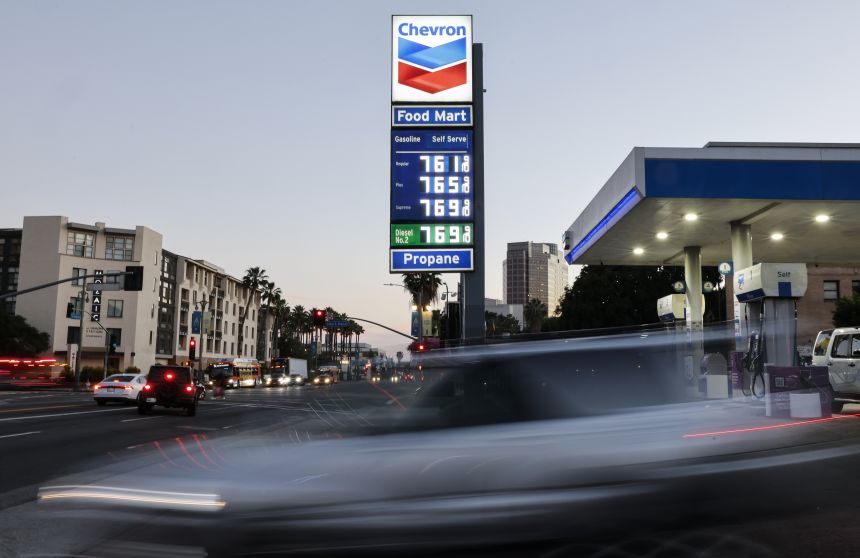
Energy prices: President Donald Trump and administration officials are attempting to allay worries over rising gas prices. White House press secretary Karoline Leavitt described rising costs at the pump as “a short-term disruption.” Senate Minority Leader Chuck Schumer called on Trump to tap into the nation’s Strategic Petroleum Reserve, the world’s largest stockpile of emergency oil, in an effort to lower energy prices.
Terms of surrender: Defense Secretary Hegseth said in an interview that aired Sunday that the US and Trump will set “the terms of surrender” with Iran, without offering specifics.