
There are concerns that inflationary pressures emanating from the conflict zone, will upset global markets for energy, fuel, food, industrial chemicals, and credit.
Crude oil prices have risen by 27% since the conflict began. The Bank of England is expected to hold back from further interest rate cuts because of the upward pressure on inflation.
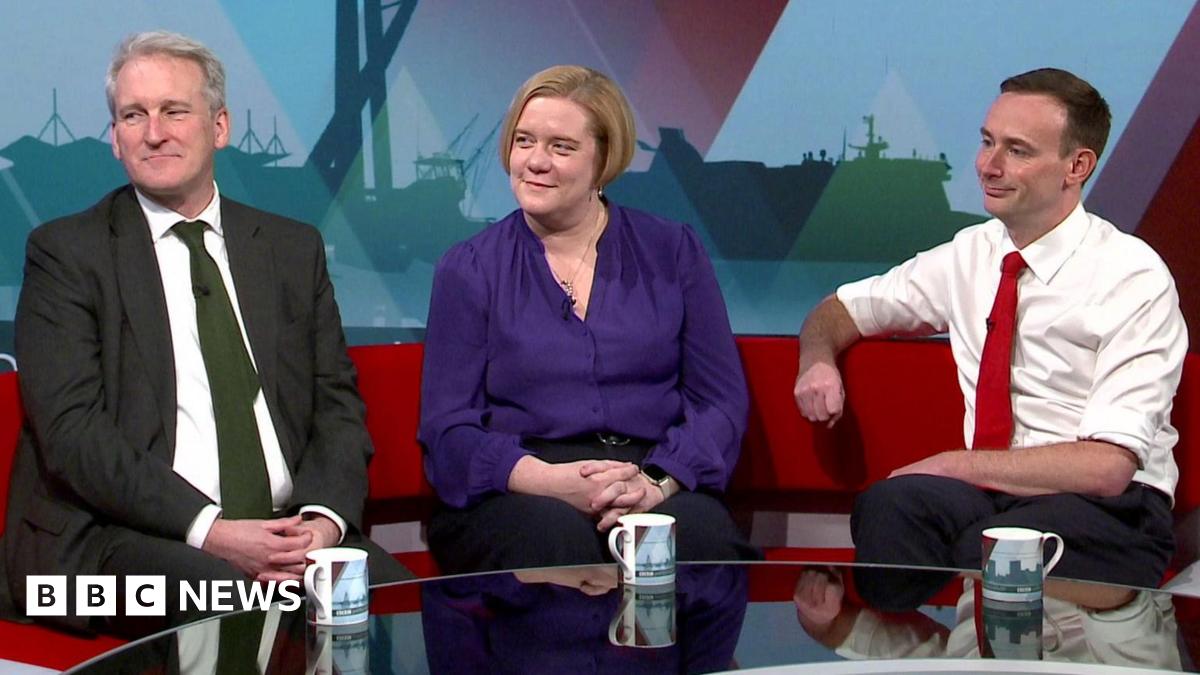
Hayes said: “In the Spring Statement the chancellor set out how inflation was falling, we’ve seen six interest rate cuts, borrowing down and we were starting to turn a corner.
“My concern is that the conflict in the Middle East wipes out some of those successes. The government will do all it possibly can to keep making progress.”
Guildford’s Liberal Democrat MP Zoe Franklin agreed the crisis could quickly translate into higher costs.
“Anything that results in higher prices for fuel, energy prices for businesses and for homes will be hugely problematic,” she said.
“The government needs to consider at what they can do with the things that are in their control.”
Conservative MP Damian Hinds, who represents East Hampshire, said the UK was at “a very early stage” of understanding the full impact and highlighted the spike in heating oil prices.
“From a government’s perspective it’s about looking at the things you can affect.
“I’m worried there isn’t a response to some of the grave economic problems we’ve had – with the instability we’ve got in the world, that could get worse.”