
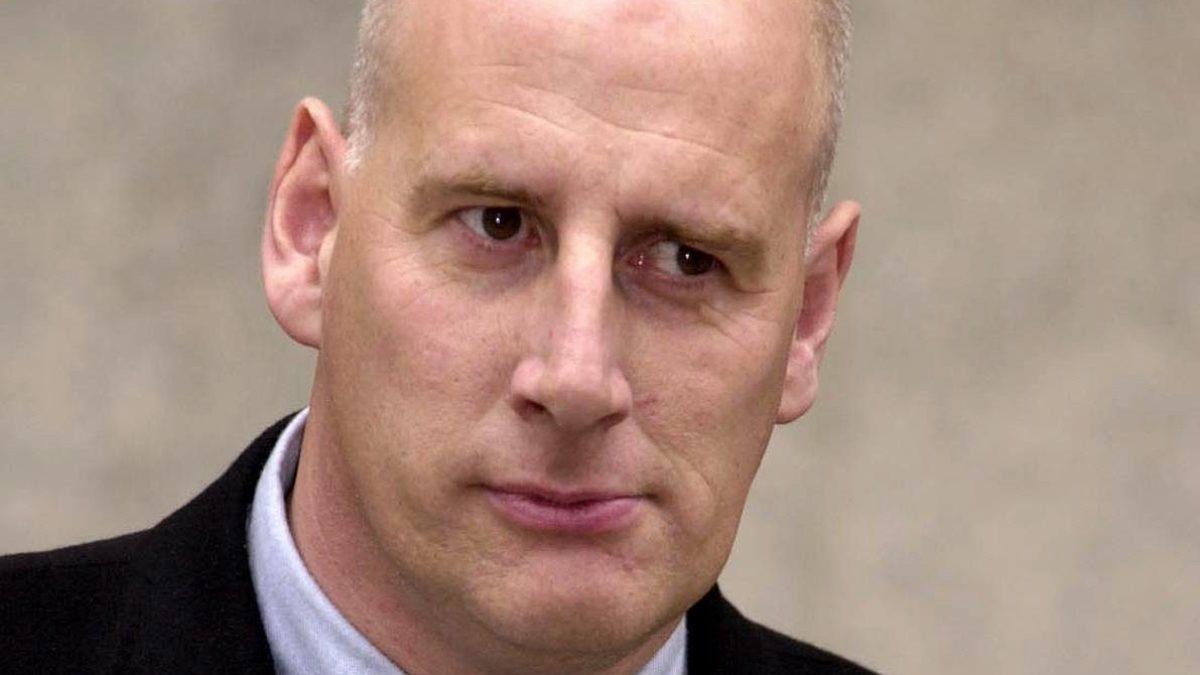
Following Ian Huntley’s death, The i Paper speaks to journalist Brian Farmer, one of the first people to report their suspicions of the murderer to police in 2002
On 7 August, 2002, journalist Brian Farmer knocked on a door to conduct an interview that would end up being the most memorable of his career.
It was four days after the 10-year-old girls Holly Wells and Jessica Chapman had gone missing in the town of Soham, East Cambridgeshire, sparking one of the largest search operations Britain has ever seen.
Farmer, who was working as a regional reporter for the Press Association at the time, knocked on the door of Ian Huntley, the caretaker at the local secondary school who was one of the last people to report seeing the girls alive.
New FeatureIn ShortQuick Stories. Same trusted journalism.
Huntley’s behaviour during that interview aroused Farmer’s suspicions and led to the unusual occurrence of the journalist reporting his concerns to the police.
Ten days later Huntley was arrested on suspicion of the girls’ murder and was ultimately found guilty.
Huntley had been serving a life sentence for his crimes until his death following a prison attack on Saturday.
Farmer has revealed to The i Paper the “odd” behaviour that aroused his suspicions 24 years ago.
‘They were a bit reluctant to talk’
Farmer decided to knock on Huntley’s door after the police issued a list of sightings that named him as one of the last people to see Holly and Jessica alive.
“I always sort of vaguely have it in my head when you are doing jobs with missing women or missing girls that it might be that the person who’s killed them is the last man to have seen them,” he said.
The door was answered by Maxine Carr, Huntley’s then girlfriend who was also the girls’ teaching assistant. Carr received a three-and-a-half-year prison sentence after providing Huntley with a false alibi.
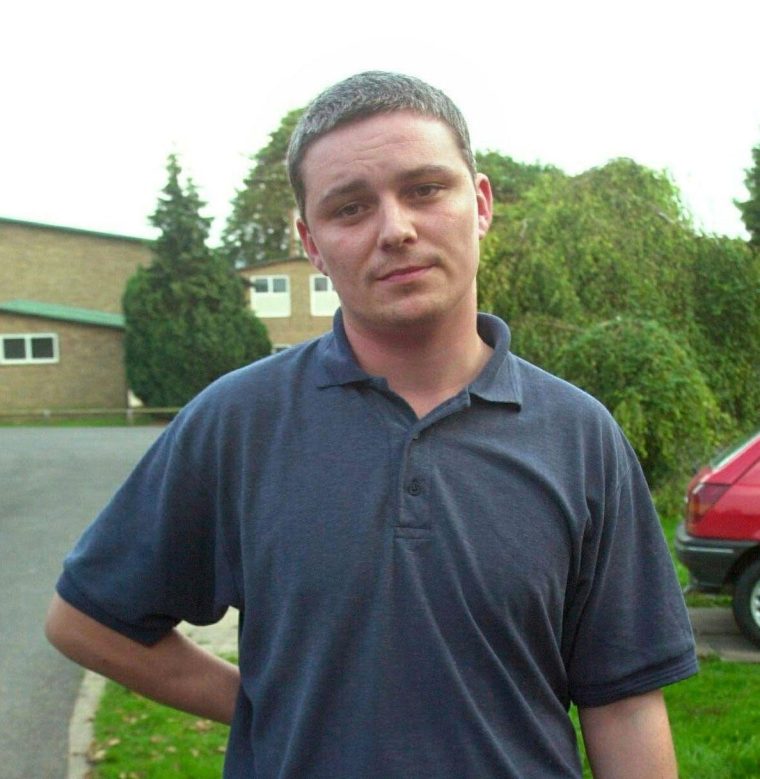 Ian Huntley was the caretaker at the local secondary school who was one of the last people to report seeing the girls alive (Photo: PA)
“The first thing that I thought was slightly odd about them was they were a bit reluctant to talk, or he was a bit reluctant to talk,” he said.
“Normally when there’s a big job on and a child is missing, [members of the public] will generally talk to you because most people understand you’re only trying to help and they might know something.”
Huntley eventually agreed to talk to Farmer and told them that he had spoken to Holly and Jessica who had walked past while he was washing his dog outside of his house.
Huntley claimed the girls didn’t “say much” except for asking after Carr. Farmer asked him to repeat “every word” they said and felt something didn’t add up.
“What I couldn’t understand is they didn’t seem to notice the dog,” he said.
“You’ve seemingly got two 10-year-old girls, who would be carefree and were having a bit of an adventure on their summer holidays and it’s a sunny Sunday and they come across this man washing a big, hairy dog…they can’t not have mentioned the dog.”
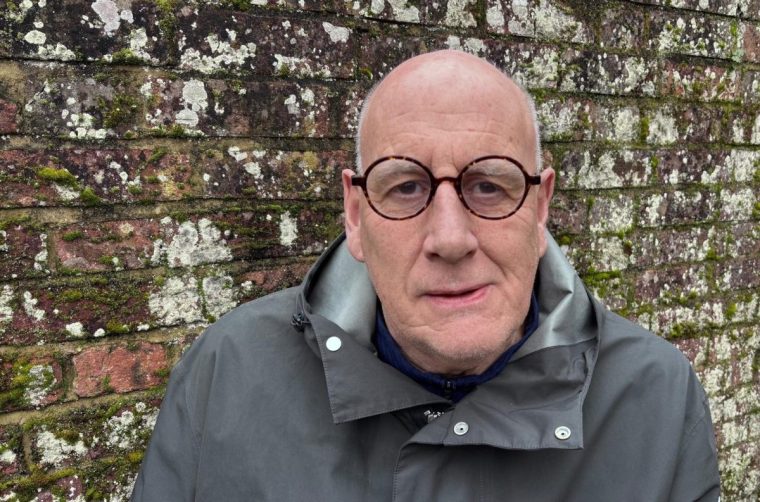 Farmer, who now works at the BBC, has covered endless cases during his decades as a journalist
Farmer’s suspicions were further aroused when he asked Carr questions about how Holly and Jessica would respond to being approached by a stranger and Huntley answered for her.
“How can he know how they’d react? He’s the caretaker of a school they don’t go to,” Farmer said.
The final “odd” moment was that Huntley refused to be photographed, telling Farmer “even my mother doesn’t have a picture of me”.
“People don’t want their picture taken because somebody might recognise them. That’s what I was thinking,” he said.
‘I’m not an informant, but kids are missing’
After sending a write-up of the interview to the news desk, Farmer talked through his concerns with his editor, who agreed it was strange.
Farmer then decided to call his older brother, who was a retired senior police detective.
His brother told him if that interview could be grounds for arrest and encouraged him to share what he had found with the police.
Farmer said he was reluctant, but ultimately decided to share his suspicions with a press officer for the police that he was friendly with.
“We’re not police informants, but when kids are missing it does happen occasionally,” he said referring to journalists sharing information with the police.
Farmer also set about getting a photo of Huntley in anticipation of his arrest. He teamed up with a local news photographer who got a picture of Huntley sitting in his car.
When Farmer’s brother saw the photograph he knew they had the right man, as he noticed the old car had a brand new set of tires.
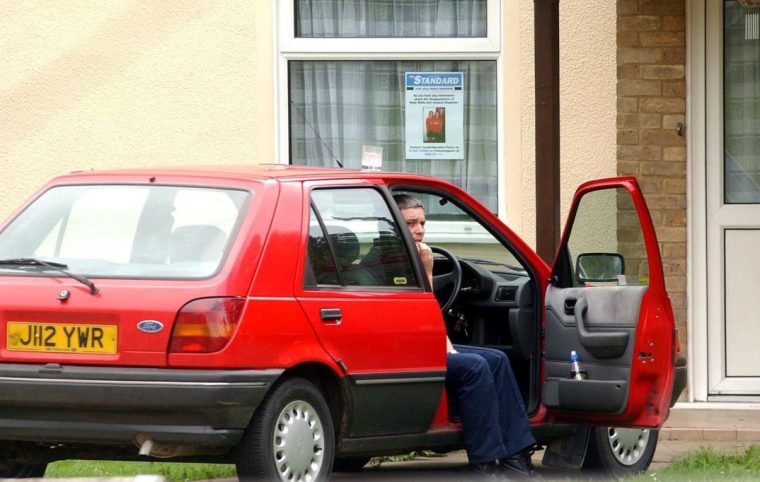 Huntley in his car before his arrest in August 2002 (Photo: Andrew Parsons/PA)
Ten days later the police called Farmer to tell him Huntley had been arrested and requested his notebooks from the interview.
The notes from that interview showed that Carr’s story regarding her whereabouts had changed.
“What Carr had told me helped [the police] establish that she had been telling a complete pack of lies,” he said.
‘It’s the case that never goes away’
Farmer, who now works at the BBC, has covered endless cases during his decades as a journalist but describes the Soham murders as “the one that never goes away”.
Your next read
“They lived in Middle England and they were white and Holly was blonde and everyone was pretty and it was August time and they were doing the sort of things that millions of kids would have been doing in August,” he said.
Huntley died on Saturday at the age of 52 from a significant head trauma after being attacked with a makeshift weapon by another inmate at HMP Frankland where he was serving a life sentence with a minimum term of 40 years.
The Ministry of Justice said Huntley’s crime “remains one of the most shocking and devastating cases in our nation’s history, and our thoughts are with their families”.