
US President Donald Trump has said on Sunday that a short-term jump in oil prices was a “small price to pay” for removing Iran’s nuclear threat.
Energy Secretary Chris Wright said oil and gas prices will fall when the US destroys Iran’s capability to strike tankers in the Strait of Hormuz, a critical waterway for around 20% of the the world’s oil.
Shipments through the strait have come to a standstill after Iran threatened to attack vessels that try to pass through the channel as a response to the US and Israeli airstrikes.
Reopening the strait to shipping is key to easing energy prices for Asia as many major economies in the region are reliant on energy from the Middle East, said Roc Shi from the University of Technology Sydney.
The effective closure of the waterway is a “supply chain crisis, not just a price spike” especially for Japan and South Korea, both of which source the majority of their energy from Gulf states, he added.
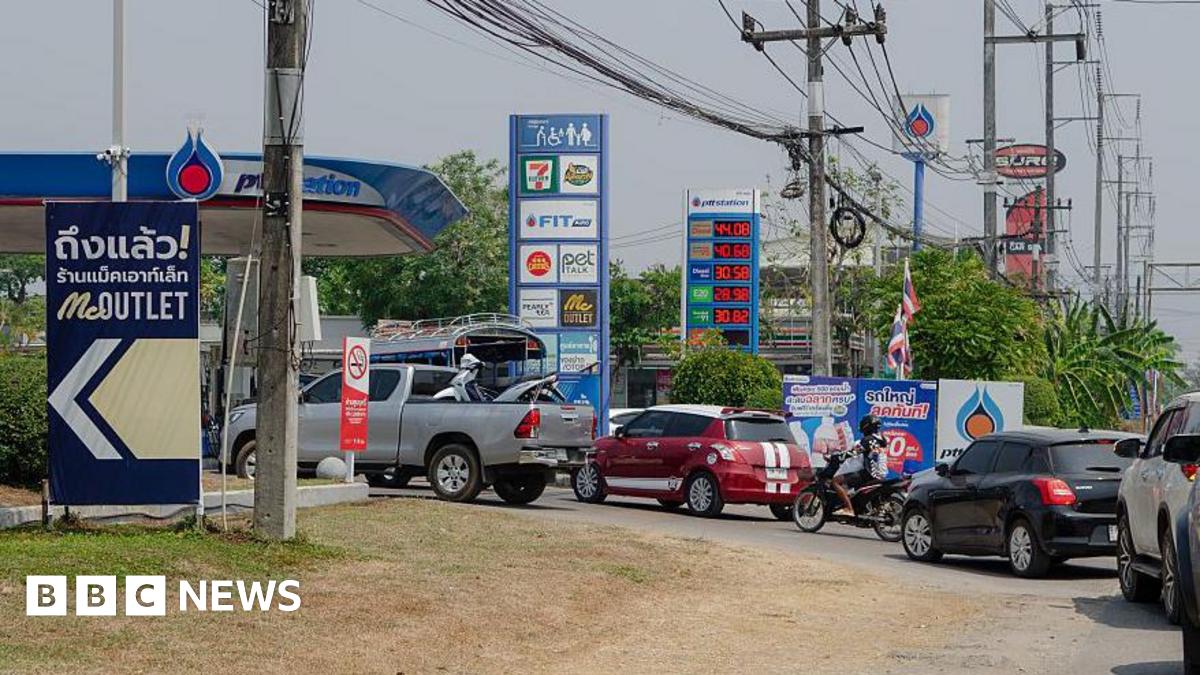
Plans to set fuel price caps are “politically attractive” as they offer “visible relief”, but risk backfiring if the move leads to panic buying and a shortage of petrol, Shi said.
How long the surge in oil prices lasts depends on the conflict’s duration and how severely supply is disrupted, said OCBC bank strategist Christopher Wong.
Oil prices could unwind “relatively quickly” if tensions in the region ease, but they could continue climbing if there is any disruption to production or shipments, Wong said.