
On Monday, the benchmark UK gas prices rose to 158p per therm, a sharp rise on two weeks ago when the level stood at 80p, but less than four years ago when the war in Ukraine saw prices surge to over 600p.
The increases prompted the then Conservative government to launch energy bill support schemes, costing around £44bn.
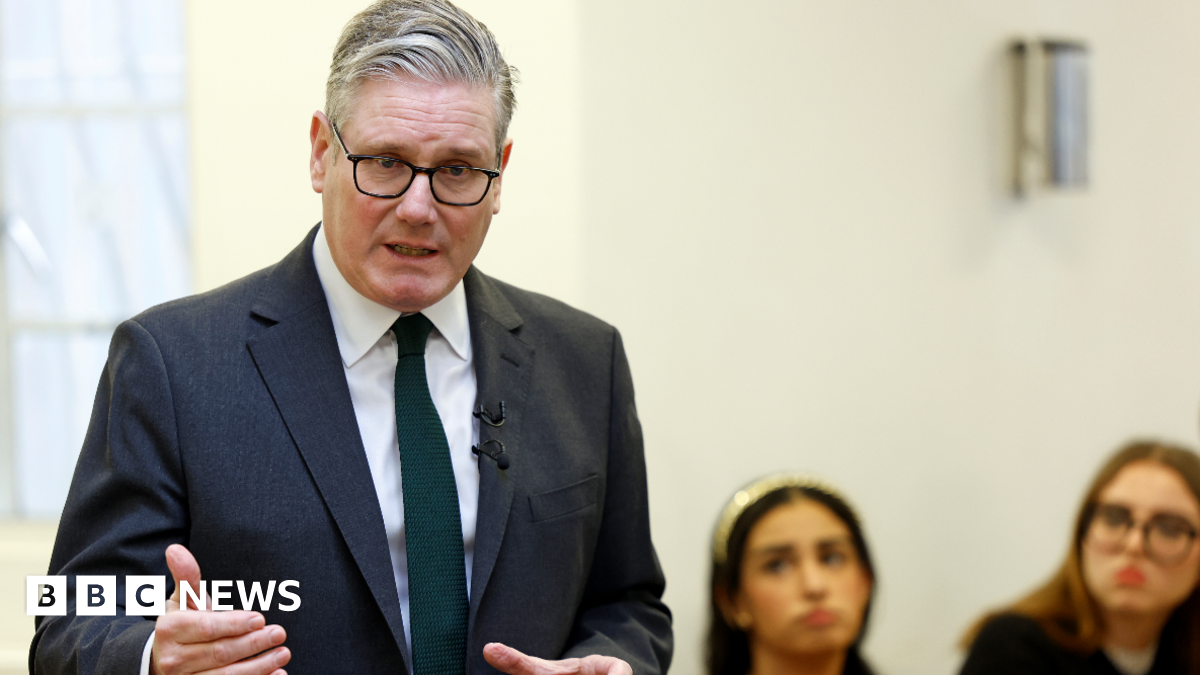
The current government has so far not committed to a similar package and speaking during his visit to a community centre, the prime minister noted that the energy cap would protect households from the immediate rises.
Last month, before the Iranian conflict began, Ofgem said the energy price cap would fall by around 7% from April, reducing energy bills for people in England, Wales and Scotland.
The cap means those on a variable tariff won’t see a price rise in their energy bills until at least July, when a new level for the price cap will be set.
However, the cost of heating oil – used by many households in Northern Ireland and in some rural areas – fluctuates more directly in response to oil prices and the Consumer Council of Northern Ireland has said the average price has risen by 81% in a week.
The conflict could also lead to immediate hikes in petrol pump prices as well as potentially creating a wave of inflationary pressures including for food and industrial chemicals.
Sir Keir said: “I do understand the anxiety now, at nine days into this conflict, where a number of people will be saying ‘well, now is the situation going to get worse, and how’s it going to impact me and my family?’
“At the moment, what we’re doing is monitoring the risk, working with others to mitigate the risk.
“It is important to acknowledge that that work is needed, because people will sense… that the longer this goes on, the more likely the potential for an impact on our economy, impact into the lives and households of everybody and every business.
“And our job is to get ahead of that, to look around the corner, assess the risk, monitor the risks, and work with others in relation to that.”
Conservative leader Kemi Badenoch said she was “worried” the prime minister was going to be “slow” to act on the cost of living.
She urged the government to commit to cutting fuel duty, which is expected to rise in September.
Badenoch added that her party had a “cheap power plan” which included scrapping net-zero targets and drilling for gas in the North Sea.