
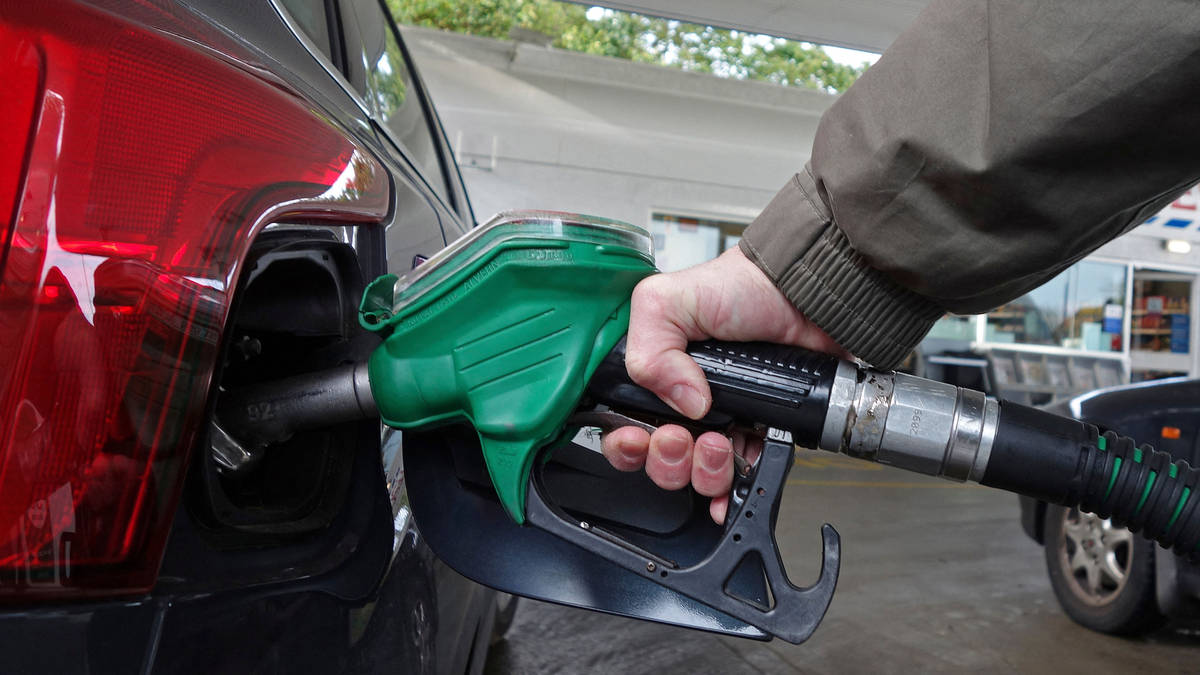
It comes amid suggestions prices ‘could jump to between 150p and 170p per litre’ over the conflict in the Middle East
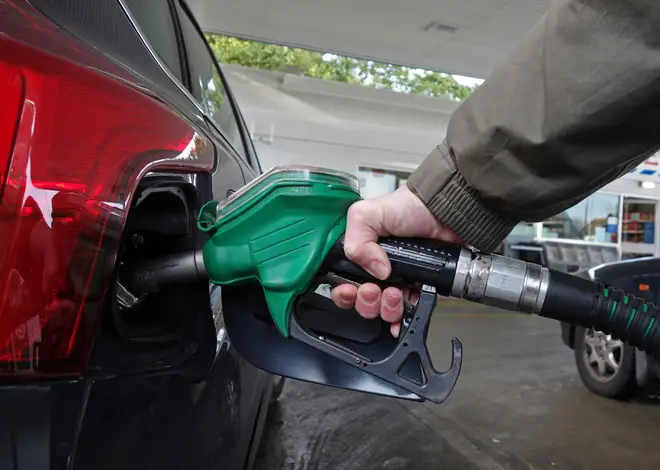
Petrol prices ‘could jump to between 150p and 170p per litre’ following the outbreak of war between Israel, the US and Iran.
Picture:
Alamy
Brits have been urged to ‘drive less’ in a bid to save fuel amid soaring global oil prices – costs that are set to have knock-on effects at the pumps.
Drivers were discouraged from taking “non-essential” car journeys on Monday amid fears drivers could rush to the pumps in response to the supply restrictions.
It comes as the price of crude oil surged past $100 a barrel on Monday – an impact of the ongoing war in the MIddle East and restrictions on exports through the Strait of Hormuz.
The restricted flow of oil from the Middle East could see prices “jump to between 150p and 170p per litre” over the coming weeks.
It’s the first time prices have seen such a surge since 2022 following the outbreak of war in Ukraine.
It comes as Sir Keir Starmer said he is in discussions with international partners to protect British businesses from the effects of the Iran War.
Read more: Iran war LIVE: Oil price passes $100 a barrel as Secretary of War Hegseth says Iran will ‘surrender’
Read more: ‘You’re right to worry about your bills and jobs,’ Starmer tells UK
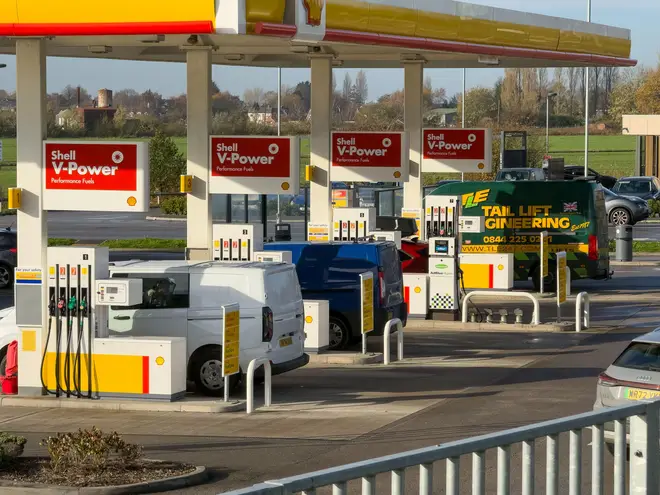
The Shell garage at just off the M58 Motorway – one of many who could see prices soar as a result of the Iran war.
Picture:
Alamy
AA president Edmund King, who issued the advice, also suggested motorists should change their driving style to be more fuel efficient.
Mr King said: “The longer this conflict goes on, the more effect it will have on the cost of oil.
“Any time Brent Crude passes 100 dollars per barrel raises concern across the markets, for the haulage industry and drivers.
“There will be gradual increases in pump prices, but this shouldn’t happen overnight as fuel has been purchased at previous prices.
“Our suggestion is that drivers should not change their refuelling habits but can consider cutting out some non-essential journeys and changing their driving style to conserve fuel.”
The comments come as the PM told the public they are ‘right to worry’ about ‘bills and jobs,’ following the outbreak fo war.
“The job of government is obviously to get ahead, look around the corner, to work with others,” the Prime Minister said.
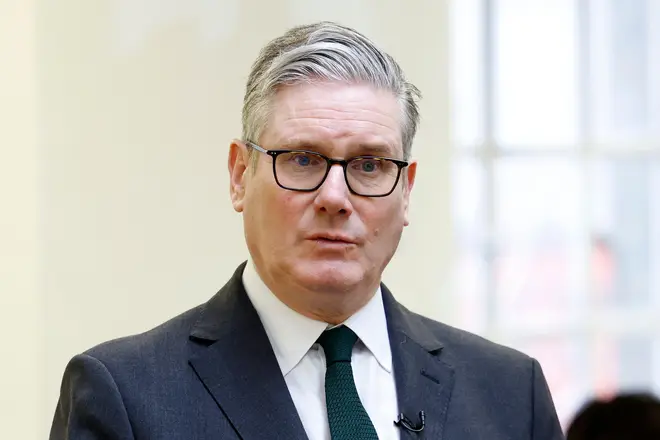
Sir Keir Starmer during a visit to a community centre in London to speak with businesses, parents and pensioners about how his government is protecting British people from the impacts of the conflict in the Middle East.
Picture:
Alamy
The government is “talking to our international partners, as well, about what more we can do together to reduce the likely impact on people here,” he added.
Since the war began on February 28, the average price of a litre of petrol at UK forecourts has increased by 5p to 137.5p, while diesel is up 9p to 151.0p.
Analysis of the historic link between oil and fuel prices by think tank the Energy and Climate Intelligence Unit shows oil trading at 100 dollars a barrel typically results in petrol prices of about 150p per litre, while oil hitting 120 dollars a barrel means petrol prices of about 170p per litre.
It comes as drivers were discouraged from taking ‘non-essential’ car journeys on Monday in a bid to save fuel.
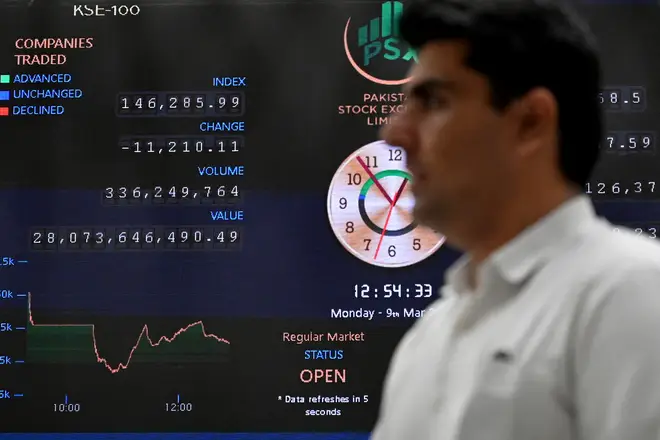
Analysis of the historic link between oil and fuel prices by think tank the Energy and Climate Intelligence Unit shows oil trading at 100 dollars a barrel typically results in petrol prices of about 150p per litre.
Picture:
Getty
RAC head of policy Simon Williams said: “Average petrol and diesel prices have rocketed in the last week and are unfortunately likely to keep on rising, so the situation for UK drivers is looking increasingly bleak.
“Unleaded is almost certainly going to reach an average of 140p in the next week or so, while diesel looks highly likely to climb to at least 160p a litre.
“We encourage drivers to continue filling up as normal but to shop around for the best prices.”