
Your support helps us to tell the story
From reproductive rights to climate change to Big Tech, The Independent is on the ground when the story is developing. Whether it’s investigating the financials of Elon Musk’s pro-Trump PAC or producing our latest documentary, ‘The A Word’, which shines a light on the American women fighting for reproductive rights, we know how important it is to parse out the facts from the messaging.
At such a critical moment in US history, we need reporters on the ground. Your donation allows us to keep sending journalists to speak to both sides of the story.
The Independent is trusted by Americans across the entire political spectrum. And unlike many other quality news outlets, we choose not to lock Americans out of our reporting and analysis with paywalls. We believe quality journalism should be available to everyone, paid for by those who can afford it.
Your support makes all the difference.Read more
A proposed ban on social media for under-16s has been rejected by MPs despite calls for an immediate block from campaigners and bereaved parents.
MPs voted 307 to 173, majority 134, against the ban, which was proposed in an amendment to the Children’s Wellbeing and Schools Bill by peers.
Instead, parliamentarians supported a government bid to give additional, more flexible powers to ministers, which would be enforced depending on the outcome of a consultation launched last week.
Under the amendment in lieu, technology secretary Liz Kendall could “restrict or ban children of certain ages from accessing social media services and chatbots”.
She could also limit children’s VPN use, restrict access to addictive features, and change the age of digital consent in the UK.
The age limit, modelled on an Australian-style ban, was supported by those who argued parents face an “impossible position” regarding online harms affecting their children.
Ahead of the vote, 23 parents whose children lost their lives due to social media are urging MPs to reject the government’s consultation, and instead back the default block proposed in the Lords to prevent further delays.
open image in gallery
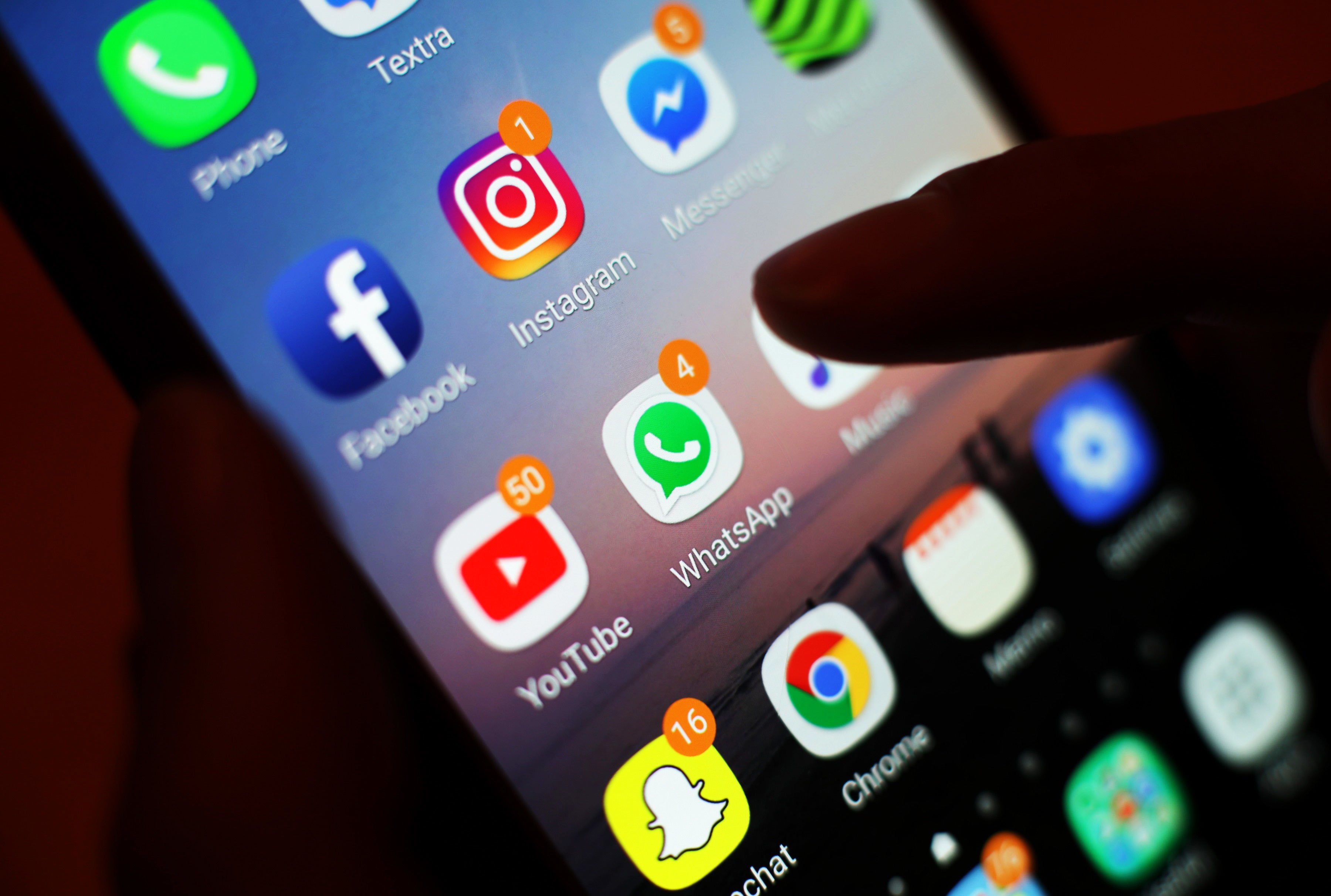
Calls for bans have gained momentum since restrictions were announced in Australia and France (PA)
The parents were joined by a coalition of organisations, including the National Education Union, Mumsnet, Health Professionals for Safer Screens and Safe Screens, who also called for MPs across parliament to back an immediate ban.
Lord Nash, who steered the proposed default ban in the Lords, said the government’s changes would only give big tech companies time “to mobilise against action”.
However, critics such as the NSPCC warned that such a ban could instead drive teenagers into unregulated corners of the internet.
The online safety consultation launched last Monday explores several themes, including whether social media platforms should come with a minimum age requirement, and whether platforms should switch off addictive features such as autoplay.
open image in gallery
MPs debated the Lords-backed ban for the first time on Monday (Getty/iStock)
Launching the consultation, Ms Kendall vowed to “create a digital world that gives young people the childhood they deserve and prepares them for the future”.
As MPs considered the changes proposed by the upper chamber, Ms Bailey said: “Many parents and campaign groups have called for an outright ban on social media for under-16s.
“Others, including children’s charities, have warned that a blanket ban could drive children towards less regulated corners of the internet or leave teenagers unprepared when they do come online.
“That is why, last week, the government launched a consultation to seek views to help shape our next steps and ensure children can grow up with a safer, healthier and more enriching relationship with the online world.”
The consultation will look at whether social media platforms should come with a minimum age requirement and whether platforms should switch off addictive features such as autoplay.
Labour MP for Hayes and Harlington John McDonnell rebelled against the government on Monday, voting in favour of the Lords amendment.
open image in gallery
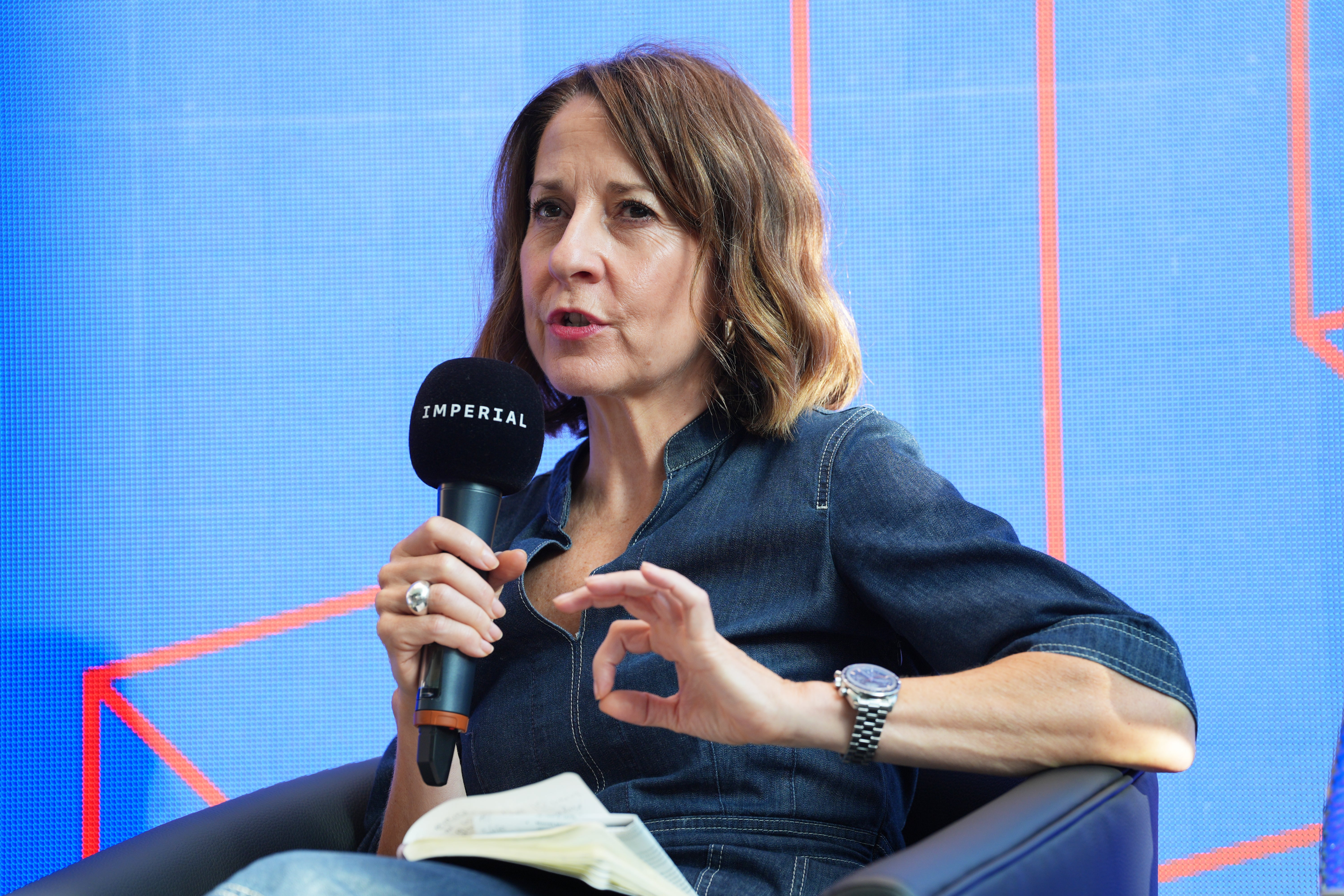
Technology secretary Liz Kendall has vowed to ‘create a digital world that gives young people the childhood they deserve’ (PA)
Meanwhile, 107 Labour MPs abstained, including North Somerset’s Sadik Al-Hassan.
Mr Al-Hassan had earlier said: “Parents like me are locked in a daily battle that they simply cannot win alone, fighting platforms that have been specifically designed to keep children hooked.
“As a pharmacist, I know if a drug were causing such measurable harm for 78 per cent, it would be withdrawn, reformulated or placed behind a counter with strict controls on who could access it.
“We would act, because that is what the evidence demanded. The same logic must apply here.
“We have an identifiable source, we have overwhelming evidence of harm, and we have the power to act.”