
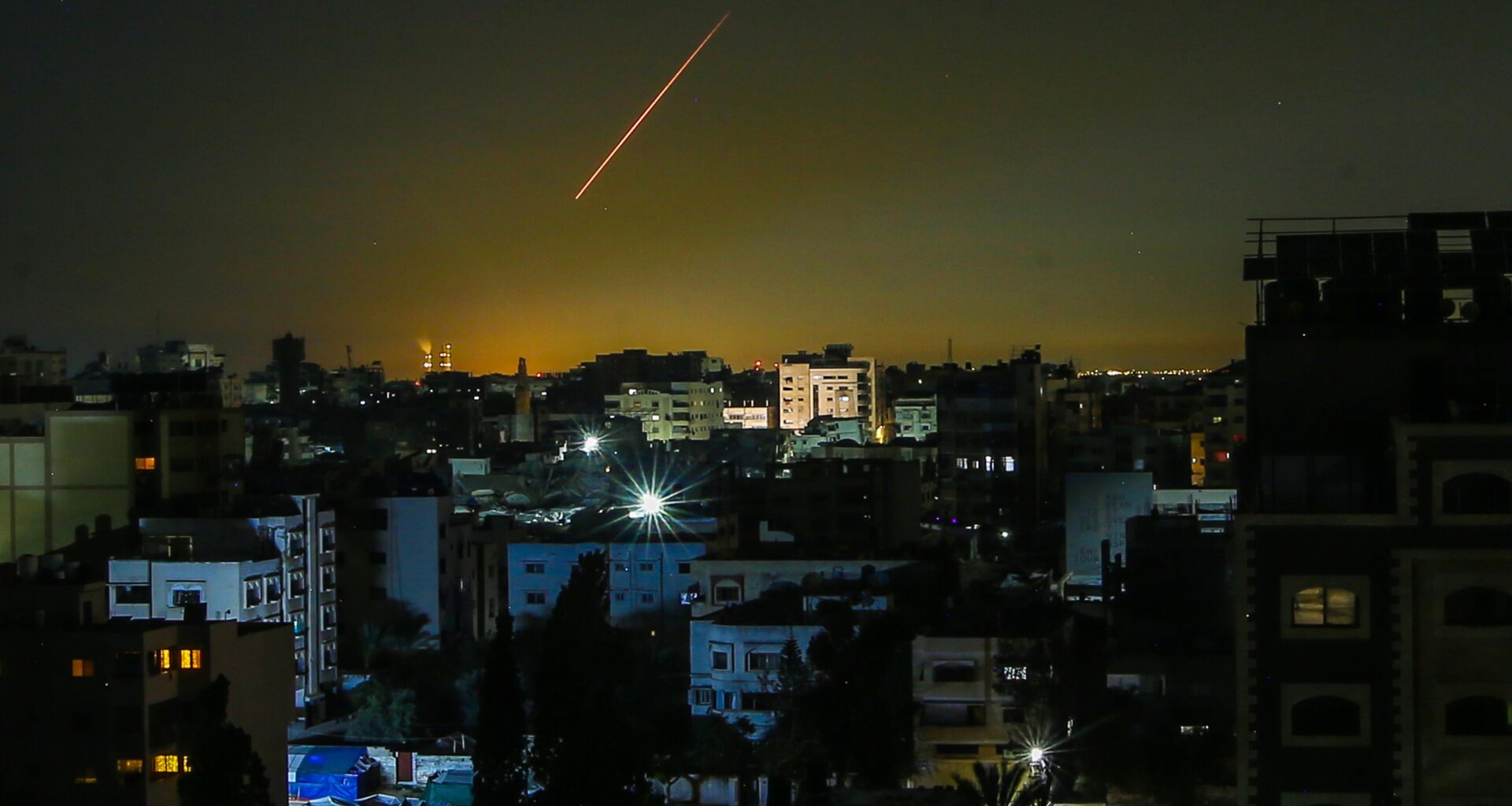
In this sharp, clear-eyed dispatch by Keren Setton and Giorgia Valente, the message is hard to miss: even if Israel emerges from the war with Iran with tactical gains and a sense of momentum, Gaza is still sitting there like an unpaid bill on the kitchen table. Small, battered, and politically toxic, the enclave remains unresolved, and no amount of action in Tehran changes that basic fact.
The article argues that Hamas, though weakened, is far from gone. A ceasefire has largely held since October 2025, but it looks less like peace than a pause with teeth. Israeli analysts quoted in the piece warn that Hamas is using the lull to regroup, rebuild, and wait. Israel, for its part, keeps hitting targets and signaling that breaches of the truce will bring retaliation. It is an old Middle East story: the guns may quiet down, but the argument keeps loading the next magazine.
What makes the piece especially compelling is its portrait of the trap facing Israel’s leadership. Prime Minister Benjamin Netanyahu has pledged to remove Hamas from power, yet Hamas still holds sway in Gaza. Israel does not want a full reoccupation, the US does not want endless war, and no one has produced a workable governing alternative that can actually enter Gaza, take control, and survive. The proposed technocratic model remains more conference-room concept than reality on the ground.
Setton and Valente also show how President Donald Trump could become the decisive outside force once the Iran fighting cools. If the American president wants movement on Gaza, aid access, or a broader regional deal involving Arab states and perhaps Saudi Arabia, pressure on Israel is likely to grow fast. That means Gaza is not just a military problem. It is a diplomatic, humanitarian, and political test rolled into one.
The story’s final point lands cleanly: Israel may be fighting on multiple fronts, but Gaza is still the front that refuses to disappear. Setton and Valente lay out that dilemma with force and clarity, and the full article is well worth reading.