
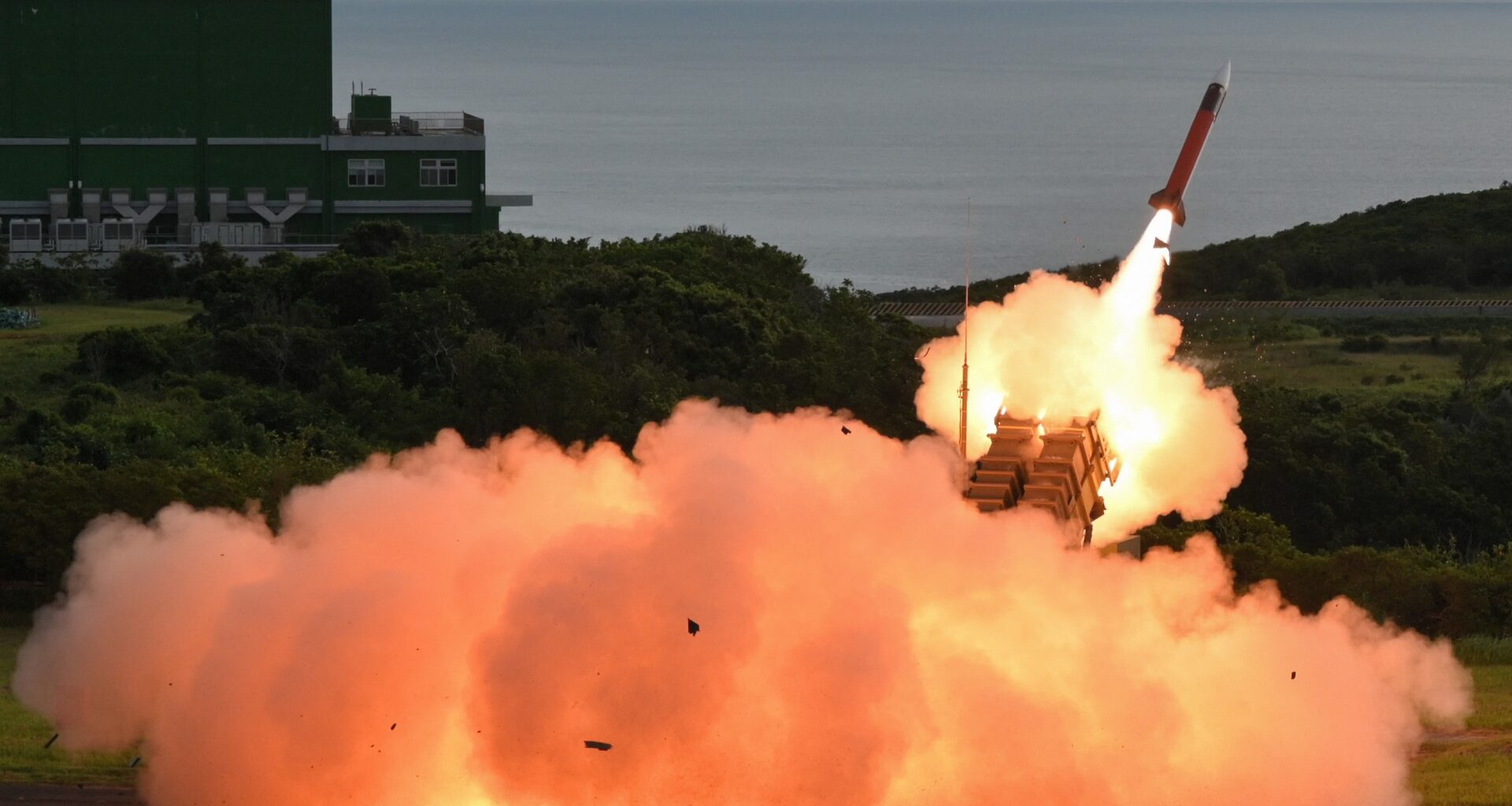
Iranian missiles may have been testing Turkish airspace over the past week to target a crucial Nato radar base in Malatya, Middle East Eye understands.
An Iranian ballistic missile that was heading toward Turkish airspace last week was intercepted by Nato air defence systems near the southern city of Hatay, flying nearly 100 km east of Turkey’s Incirlik air base, which previously hosted US military troops.
A second Iranian missile heading toward Turkey on Tuesday was also shot down by Nato systems via US destroyers, which used the RIM-161 Standard Missile-3 (SM-3). The missile was reportedly determined to be targeting Incirlik, according to open-source reports.
Nato analysis suggests the Iranian missiles were fired from east of Tehran toward Turkey.
Hursit Dingil, a Turkish expert on Iran’s military capabilities at the Ankara-based Centre for Area Studies, told MEE that open-source, data-based military scenarios suggest the missiles might have been launched from the Revolutionary Guard’s Damghan missile base, which has underground facilities in Semnan province. MEE could not independently verify those details.
New MEE newsletter: Jerusalem Dispatch
Sign up to get the latest insights and analysis on
Israel-Palestine, alongside Turkey Unpacked and other MEE newsletters
Iran’s leadership this week denied responsibility, saying the incidents could have been false-flag attacks by Israel intended to trigger a crisis between the two neighbours.
However, after carefully reviewing the issue on Tuesday, Turkish Foreign Minister Hakan Fidan called his counterpart Abbas Araghchi, telling him that firing ballistic missiles into Turkey was unacceptable, according to sources in his ministry.
Some Turkish sources based in Ankara believe Iran’s decentralised command structure, especially after the killing of dozens of high-ranking Iranian officials, might be resulting in these sporadic attacks.
Araghchi earlier this month claimed that some missile command centres “were isolated”.
However, other Ankara insiders believe the missiles fired from Iran toward Turkey were actually testing Nato air defence systems for another purpose: assessing how to target the Kurecik radar base in Malatya, southeastern Turkey.
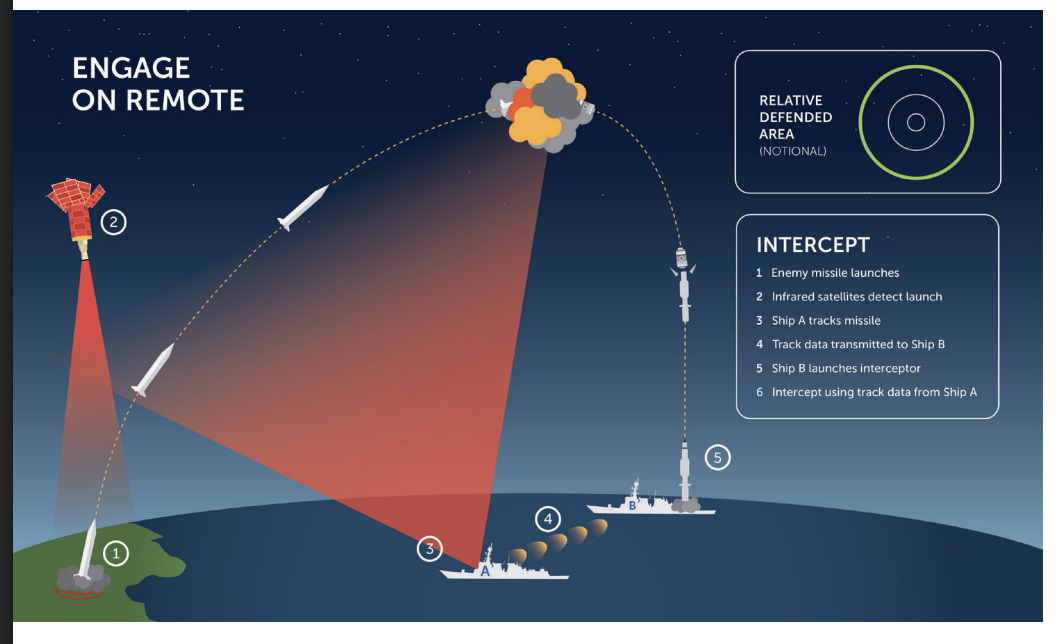
An illustration showing “Engage on Remote” system (Ian Williams/CSIS)

Nato’s decision to deploy a new batch of Patriot missile defence systems to Malatya on Tuesday strengthens this view.
The radar base, part of the European Phased Adaptive Approach (EPAA), hosts a TPY-2 X-band radar tasked with tracking Iranian missiles bound for Europe.
It has been described as the keystone of Nato’s entire air defence architecture.
“Without it, the capability of the Aegis Ashore sites to defend Europe becomes crucially degraded,” a 2019 report by Washington-based Center for Strategic and International Studies (CSIS) on the system said. The radar enables Nato to intercept missiles above Earth’s atmosphere.
The CSIS report states that if the TPY-2 radar in Turkey were to fail, Nato would lose early tracking information on incoming Iranian missiles, leaving the European continent without proper coverage.
The radar is part of a broader tactic called “engage on remote”, which utilises satellites, a sensor positioned closer to the enemy missile’s launch point, and intercept systems based in Europe and the eastern Mediterranean.
“Due to its position, it would be very difficult for a Europe-bound ballistic missile fired from Iran to avoid the TPY-2’s field of view,” the report said.
“A TPY-2 is a very high-resolution sensor, producing data that command and control systems can use to determine the type, speed, course, and possible destination of the threat missile.”
Arda Mevlutoglu, a prominent independent Turkish defence expert, told MEE that Iran had been targeting other radars in the Gulf, making it plausible that Tehran could target Kurecik as well.
The Wall Street Journal reported that Iran struck radar, communications, and air defence systems in Qatar, the UAE, Jordan, Bahrain, Kuwait, and Saudi Arabia, including the AN/FPS-132 radar at Qatar’s al-Udeid base and a TPY-2 radar attached to a Thaad battery in Jordan.
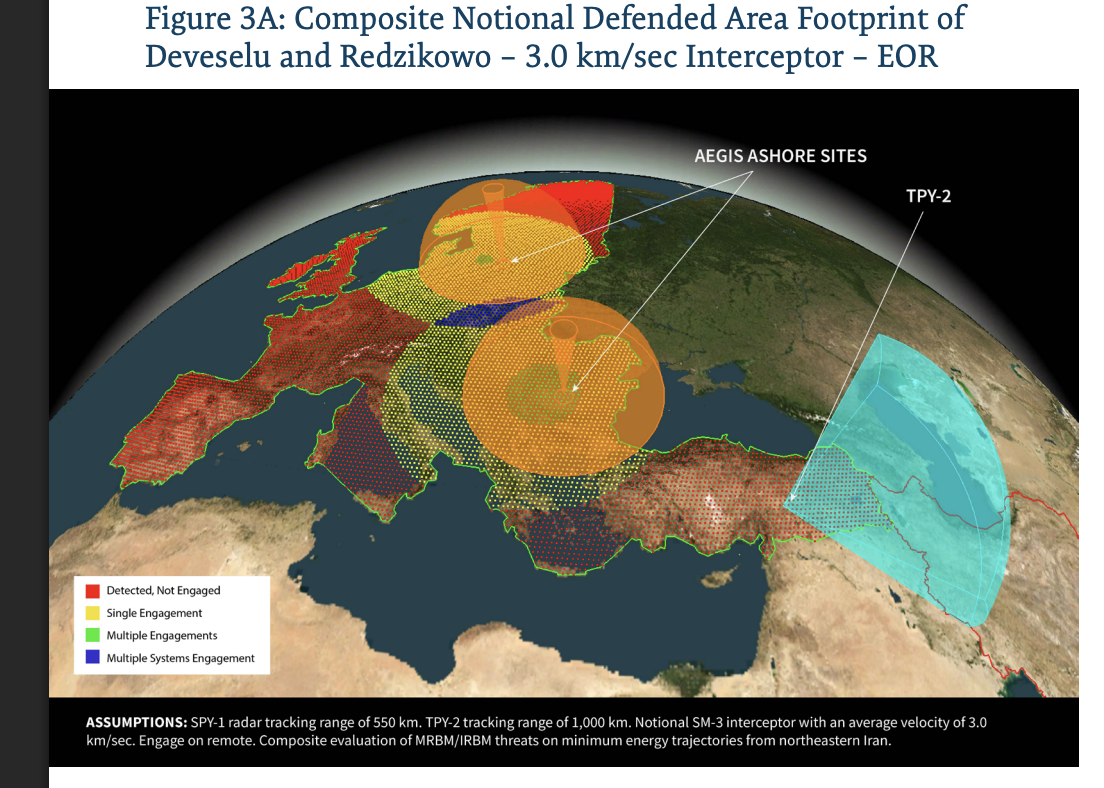
An illustration showing Nato’s the European Phased Adaptive Approach (EPAA) missile defence system (Ian Williams/CSIS)
Although Turkey has hosted Spanish-owned Patriot missile systems in the south of the country since 2015, the PAC-2 model is considered insufficient for intercepting Iranian ballistic missiles.
The new Patriot systems deployed to Malatya have reportedly been moved from Nato’s Ramstein base in Germany. These are PAC-3 models, capable of intercepting Iranian missiles.
Gursel Tokmakoglu, a retired chief of air force intelligence, told MEE that the systems would cover eastern Turkey and the eastern Mediterranean and would be integrated into Nato assets in the region, allowing them to autonomously intercept Iranian missiles.
A source familiar with the issue said that US destroyers tasked with intercepting ballistic missile threats toward Turkey were more effective in the eastern Mediterranean, and the Patriot systems would extend coverage to the remaining areas of the country.