
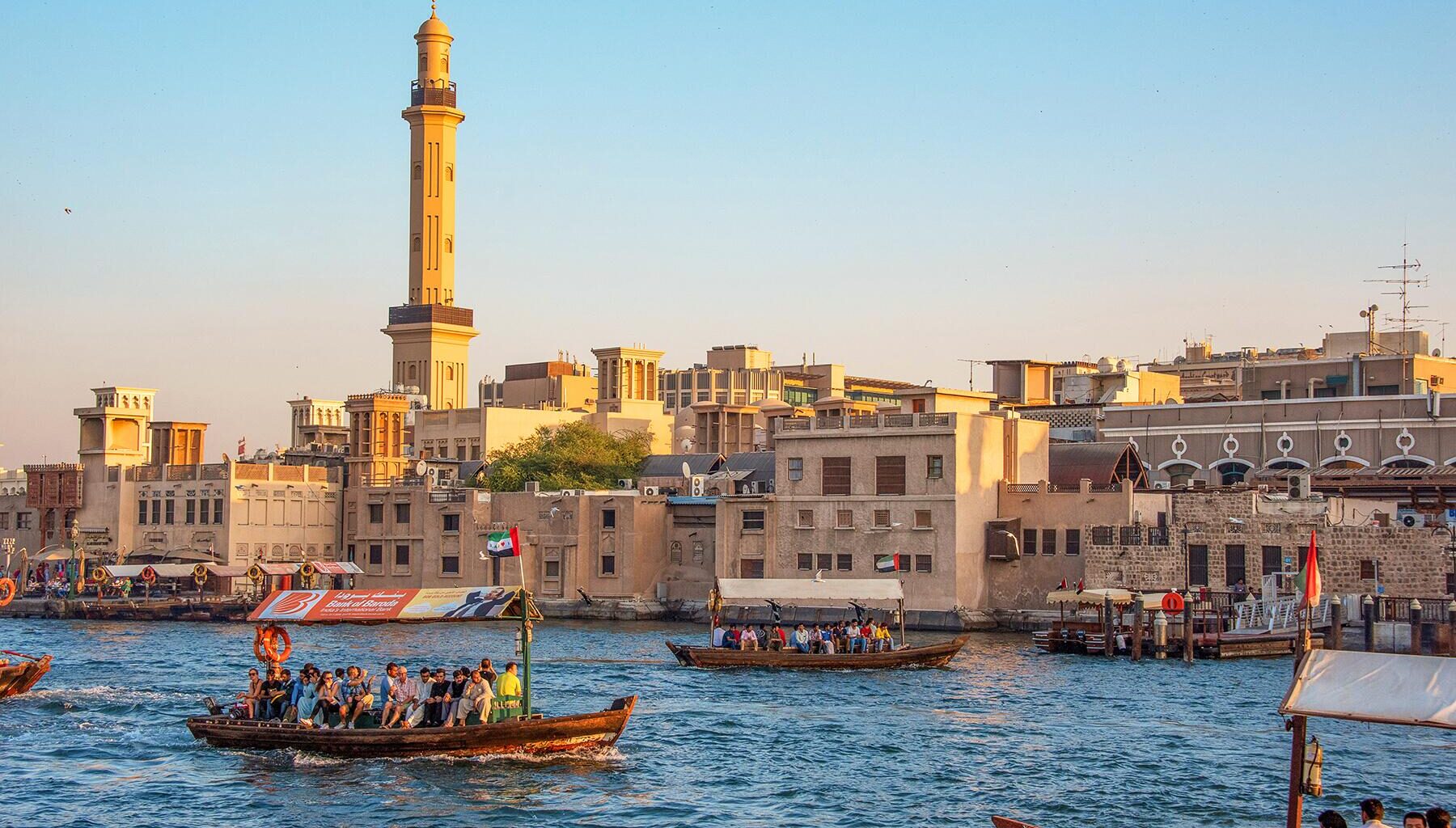
They are crowdfunding to sponsor their return home after unexpected financial strains.
The tremors of the war in the Middle East are being felt globally. As the conflict continues, fuel prices are skyrocketing, financial markets are destabilized, and international travel is crippled. Meanwhile, thousands of travelers are stranded in the Middle East as airspace closes, and travel dwindles to a trickle. Many have started crowdfunding to sponsor their return home after unexpected extensions caused financial strain.
The U.S. and Israel attacked Iran on Feb. 28, and Iran retaliated with strikes across the Middle East. More than 1,700 people have died in Iran, and at least seven American soldiers have been killed. Thousands of flights have been canceled since the war began, disrupting the plans of hundreds of thousands of people.
Travelers are waiting out the airspace closures, and these unplanned stays are costing them money. They have accumulated food, hotel, and medication bills while awaiting help from their governments and airlines. Some have started GoFundMe campaigns for themselves or for friends and family to help cover the cost of their extended stay and return.
One traveler is Remy Thomas from Texas, who has raised $9,978 of an $11,000 target. Remy and friend Shanice managed to reach the U.S. after flying from Dubai to Sydney. Clifford Heard and his wife Bri’Ana were also stuck in Dubai and reached out to their community to raise $10,000. After flying from Dubai to Greece, they made it to Newark, then Cincinnati. “Your generosity helped us cover lodging, while we figured out how to get home. Your love offering enabled us to book multiple flights home as we endured 7 cancelled flight(s) and rent a car to drive from New Jersey once we hit the states,” their update said.
Continue Reading Article After Our Video
Recommended Fodor’s Video
A group of church members from Calvary Chapel Summerville in South Carolina was stranded in Israel on the day they were supposed to fly home, and they started a GoFundMe for $100,000—$2,500 per person for the 40 of them. The fund has reached its target, and their Facebook page confirmed they have all returned safely.
Business Insider reported that it has identified at least 28 active fundraisers on the website, with many far from their goals.
Related: With Conflict in the Middle East, Is It Safe to Travel to Europe?
Travelers Still Stuck
Earlier this month, the U.S. issued travel warnings for several countries in the Middle East, advising Americans to shelter in place and leave if they could. A DEPART NOW message was sent to people in 14 countries, but without commercial flights, the task was nearly impossible. Other countries responded to the crisis more quickly with repatriation flights.
Related: The U.S. Issues Travel Warnings for 14 Middle East Countries, Urges Americans to Leave
The State Department faced criticism from travelers and diplomats for asking people to find their own way home. It offered little clarity on repatriation flights, and the agency’s recorded message until Tuesday last week said, “Please do not rely on the U.S. government for assisted departure or evacuation at this time.”
The State Department said it has assisted thousands of people, and Secretary of State Marco Rubio assured Americans that the government would be able to assist every citizen with military and chartered flights, but closed airspaces were a limitation. The U.S. eventually started recovery flights, and more than 27,000 Americans have returned to the U.S. as of Friday, though most used their own means.
Stranded travelers also include those who had connecting flights canceled due to the war and are now in limbo. The UAE and Qatar both announced that they would pay for accommodation and meals for stranded travelers, and asked hotels to extend their stays. But travelers do not know how they may be reimbursed for these costs.
Airlines, which have also helped passengers, are prioritizing those with existing bookings. Emirates, Etihad, and Qatar Airways are running limited flights, mostly for the repatriation of tourists and foreign nationals. Travelers who manage to find seats on limited commercial planes are paying outrageous prices due to demand. Meanwhile, wealthy travelers are chartering private jets—spending $200,000—to leave the war-torn region, and others are paying large sums to drive to safer airports in Oman, Saudi Arabia, or Egypt.