
This Editor’s Note was sent out earlier Wednesday in ToI’s weekly update email to members of the Times of Israel Community. To receive these Editor’s Notes as they’re released, join the ToI Community here.
You’d think we’d be used to it all by now.
To fighting enemies that want to wipe us out and keep on trying to do so.
To a hypocritical world that denounces us and misrepresents us as we attempt to fend those enemies off.
To the practicalities of friends and relatives risking their lives at the front. To the abiding concern for our loved ones living anywhere near any of our borders, or anywhere else nowadays, in this again missile-battered little country of ours.
Get The Times of Israel’s Daily Edition
by email and never miss our top stories
By signing up, you agree to the terms
But it turns out you never get used to it. We’ll get through it, because we’re an amazing people. But it is not particularly pleasant to be briskly seeking cover multiple times a day from deadly missiles with colossal warheads. To be weighing how to advise elderly, not-so-mobile relatives about what they should do when the sirens wail in the small hours of the night.
To understand that it really is safer to stop the car by the side of the highway and find somewhere to lie face down, rather than keep driving, because the danger is less of a direct hit than of falling bits of missile and interceptors and the shockwave caused by a blast. To be endlessly worried for this child and that child, in this city and that moshav, when the alarms sound.

Israelis take cover in a public shelter in Tel Aviv as a siren sounds warning of incoming ballistic missiles fired from Iran toward Israel, March 1, 2026. (Chaim Goldberg/Flash90)
To internalize the anguish, amid the fierce resilience, of a colleague whose home in Beit Shemesh was battered by the blast of a half-ton missile that killed nine people hundreds of yards away — the walls cracked, the doors blown in, and chunks of glass smashing into the chair where she had been sitting and working seconds before.
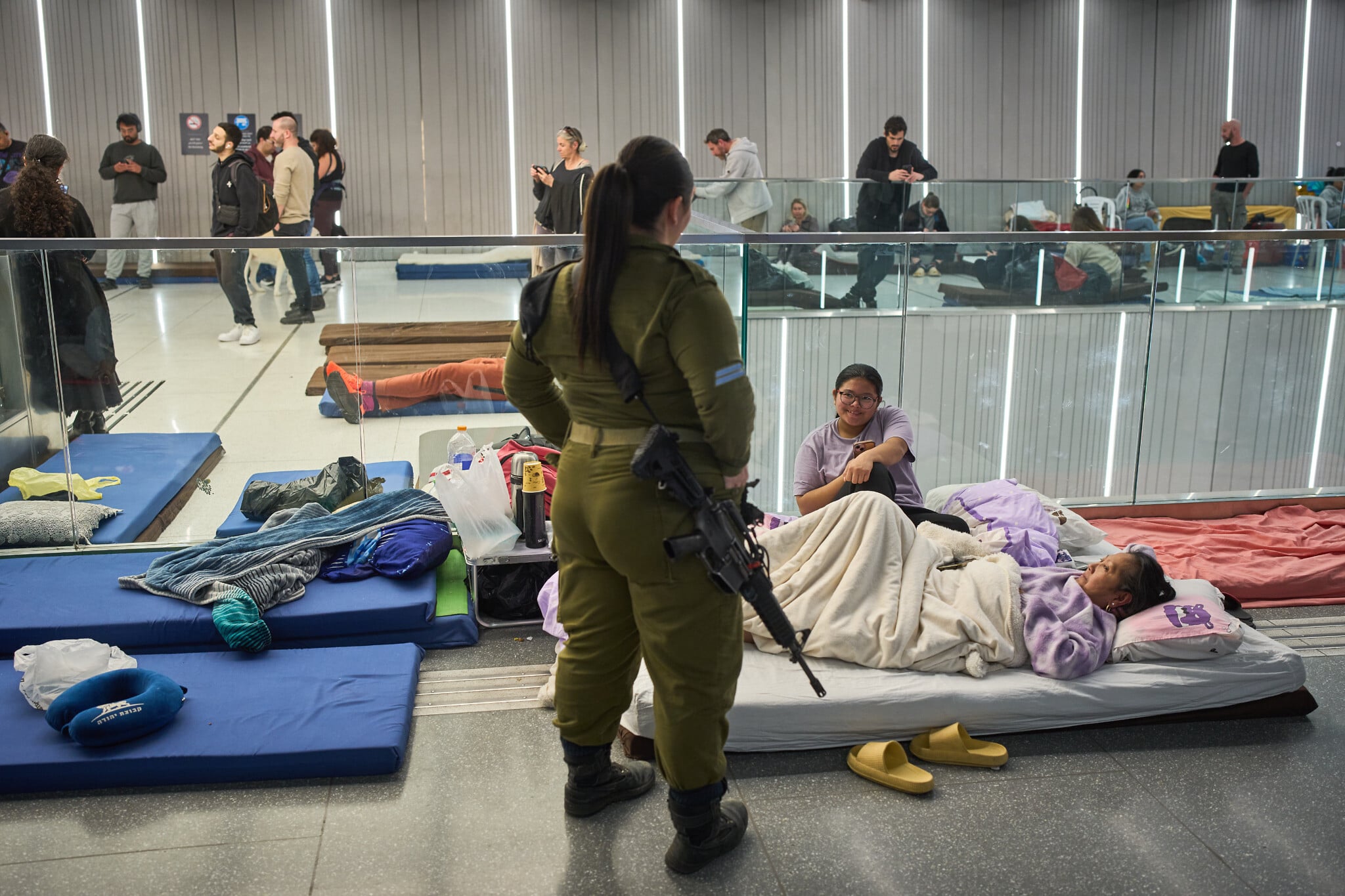
People take shelter in an underground metro station as air raid sirens warn of incoming Iranian missiles, in Ramat Gan, Israel, March 10, 2026. (AP Photo/Oded Balilty)
To get professionally personal for a moment, most of us at The Times of Israel are not on the front lines. But as with everyone in Israel right now — and for much of the past two and a half years — the upsurged conflict colors all of our lives. Injury and death have been a constant backdrop, avoiding them a constant concern.
In the last few days, and not for the first time since October 7, 2023, we’re all reporting, writing and editing — informing, explaining, alerting — even as we’re finding cover, staying calm, and checking in on the people we are personally responsible for helping stay alive.
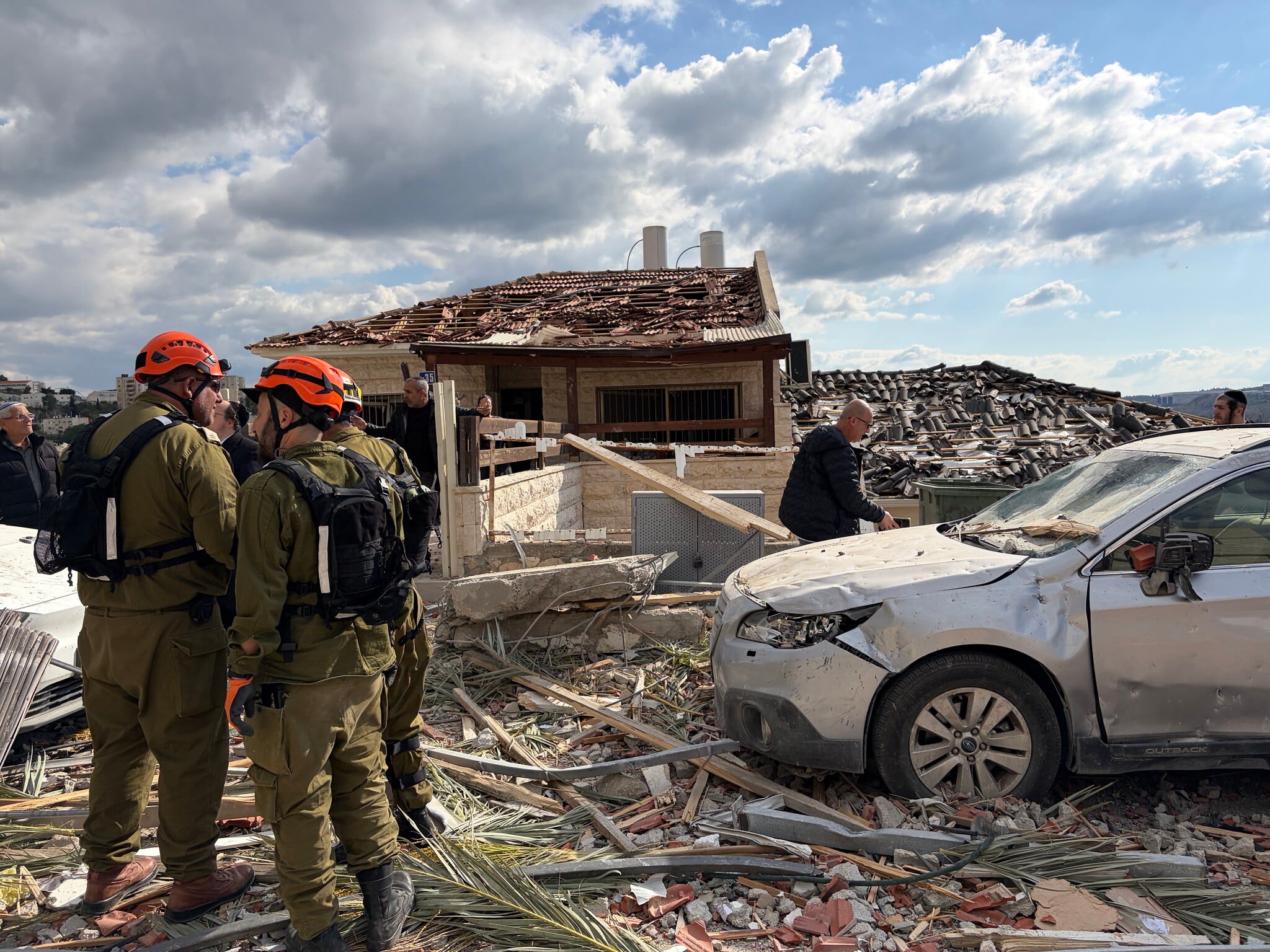
Soldiers and residents stand outside one of the houses damaged in an Iranian missile strike on Beit Shemesh, March 1, 2026. (Sam Sokol/Times of Israel)
Our reporters are out and about amid the sirens. Our indefatigable military correspondent is sending the freshest material even as he and the editors who post it on the site are heading into bomb shelters and safe rooms and comforting their babies, and their toddlers, and their slightly older children for whom school is, unfortunately, not currently an option.
No, you don’t get used to it. But, again, like the rest of Israel’s people, we’ll get through it. Insistent, no-choice resilience trumps Israel’s bitter internal divides. And it certainly trumps Iranian multiple cluster-bomb-warheaded attempted attrition.
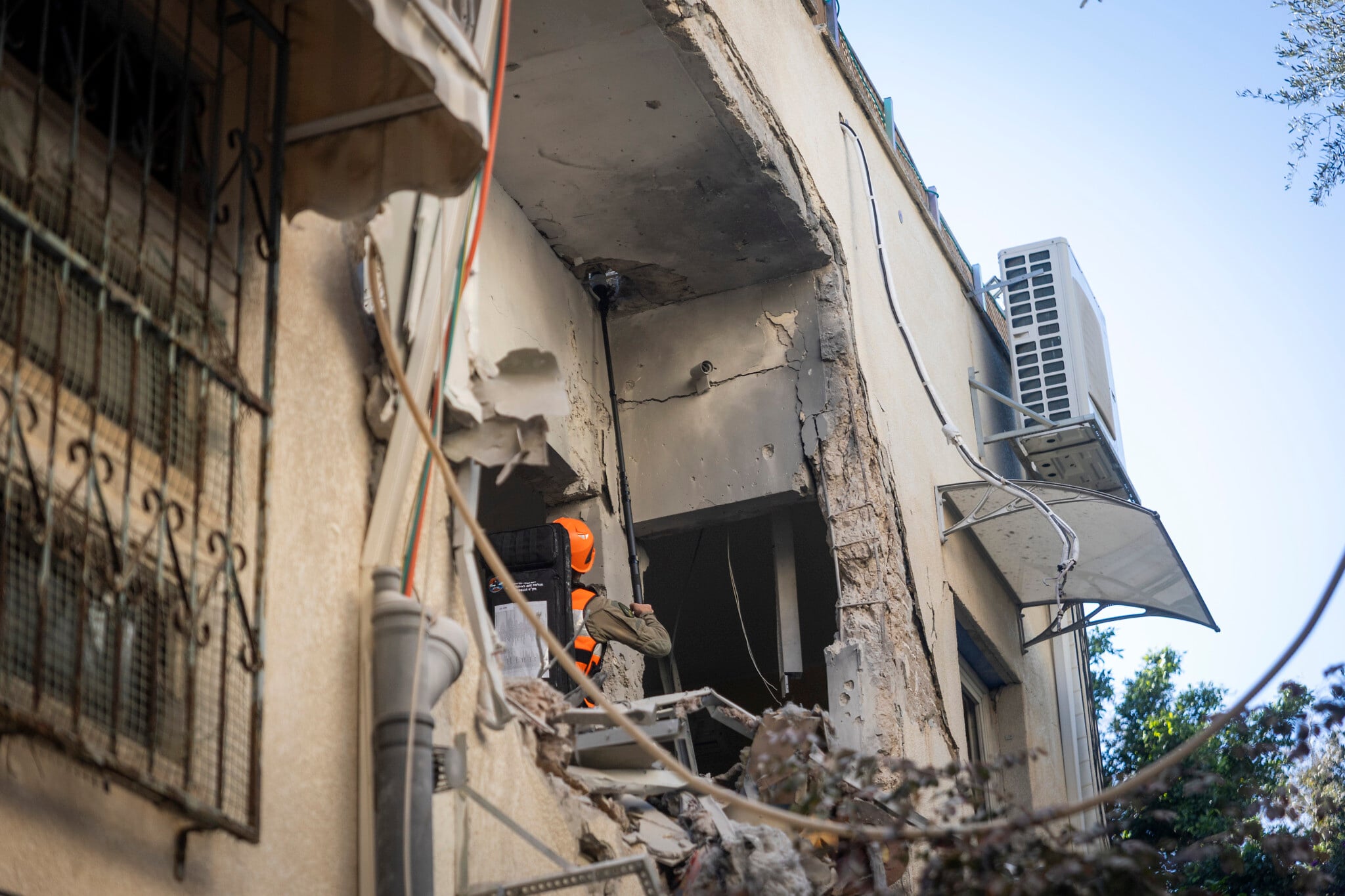
Israeli rescue and emergency forces at the scene where shrapnel from a ballistic missile fired from Iran fell in Tel Aviv, March 8, 2026. (Chaim Goldberg/Flash90)
Searching for clarity in a rising sea of creative incoherence
Sticking atypically with a brief focus on ToI, our work seems to be getting more difficult — not only because of relentless ongoing conflict, but also because truth and clarity, those precious commodities crucial to understanding reality, seem to be becoming more elusive… and underappreciated.
Even basic facts are both increasingly unknowable and asserted with absolute confidence. A few examples from the relatively marginal to the central:
Is Mahmoud Ahmadinejad, a despicable Iranian president from yesteryear, alive or dead? Presumably he knows. But go check the revision history of his Wikipedia page to recognize that nobody else really does. And yet his demise, and his non-demise, have been firmly and contradictorily asserted all over news and social media this past week.
Or how about Iran’s new leader himself, Mojtaba Khamenei — variously alive and well, wounded in the head, in the legs, about to give a speech, conspicuously silent…
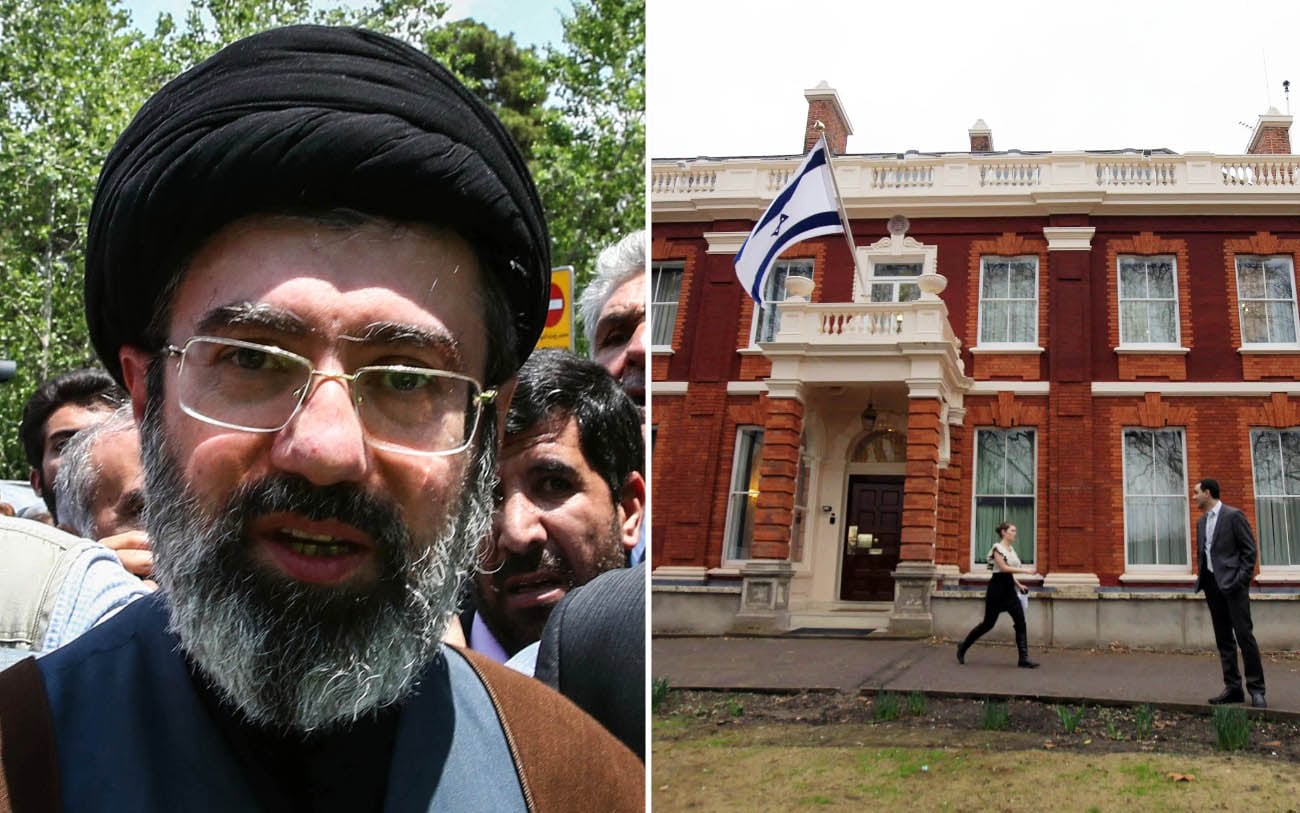
Mojtaba Khamenei, son of Iran’s slain supreme leader ayatollah Ali Khamenei, attends a demonstration to mark Jerusalem Day in Tehran, May 31, 2019. (Saeid Zareian/DPA/Reuters); Israel’s UK Embassy in Kensington, west London, March 23, 2010. (AP/Lefteris Pitarakis)
Something slightly more off-center, but underlining my point: Does Khamenei own two apartments overlooking the Israeli Embassy in London? I really tried to get to the bottom of this story, as reported by several UK newspapers, because it is actually deeply worrying to think that the new supreme leader may have had his spies listening in on the embassy for the past decade. I believe ToI’s version of the saga has it right. But simply trying to establish the facts, and separating them from the misreporting, was tortuous.
Khamenei owns multiple properties in London, notably including on north London’s very expensive The Bishops Avenue. But those holdings, cited in a Bloomberg investigation, are more than six miles away from the Israeli Embassy in west London’s Kensington. And the reliable Bloomberg article makes no mention of any Khamenei properties in Kensington. Yet the UK media reports cite the Bloomberg piece as the basis for their “Mojtaba owns apartments overlooking the embassy” claims.
Regular readers will know that I’m deeply wary of AI as a journalistic resource, but I used Gemini, Google’s self-described “most advanced” such tool, to try to help me along, seeking information with careful prompts stressing that I need clear, reliable material, and that if this is not available, it should simply tell me so. Among the leads Gemini gave me was an address for the Khamenei-owned properties that, under further questioning, it acknowledged it had made up. And — this was shocking even for me — it sent me the URL of a second Bloomberg article that it said contained the details of Khamenei’s Kensington properties. The URL did not exist. Bloomberg had published no such article. Gemini apologized.
Turning to bigger, more fateful issues, what are we to make of Prime Minister Benjamin Netanyahu telling the people of Iran, in a series of English-language posts (?!) on his official X account on Tuesday night, “In the coming days we will create the conditions for you to grasp your destiny. Your dreams will become a reality. When the time is right, and that time is fast approaching, we will pass the torch to you.” That seems fairly definitive, and yet barely two hours earlier, unnamed government ministers and officials had briefed all three of Israel’s main TV stations to the effect that the collapse of the regime could take more than a year and/or might not happen at all?
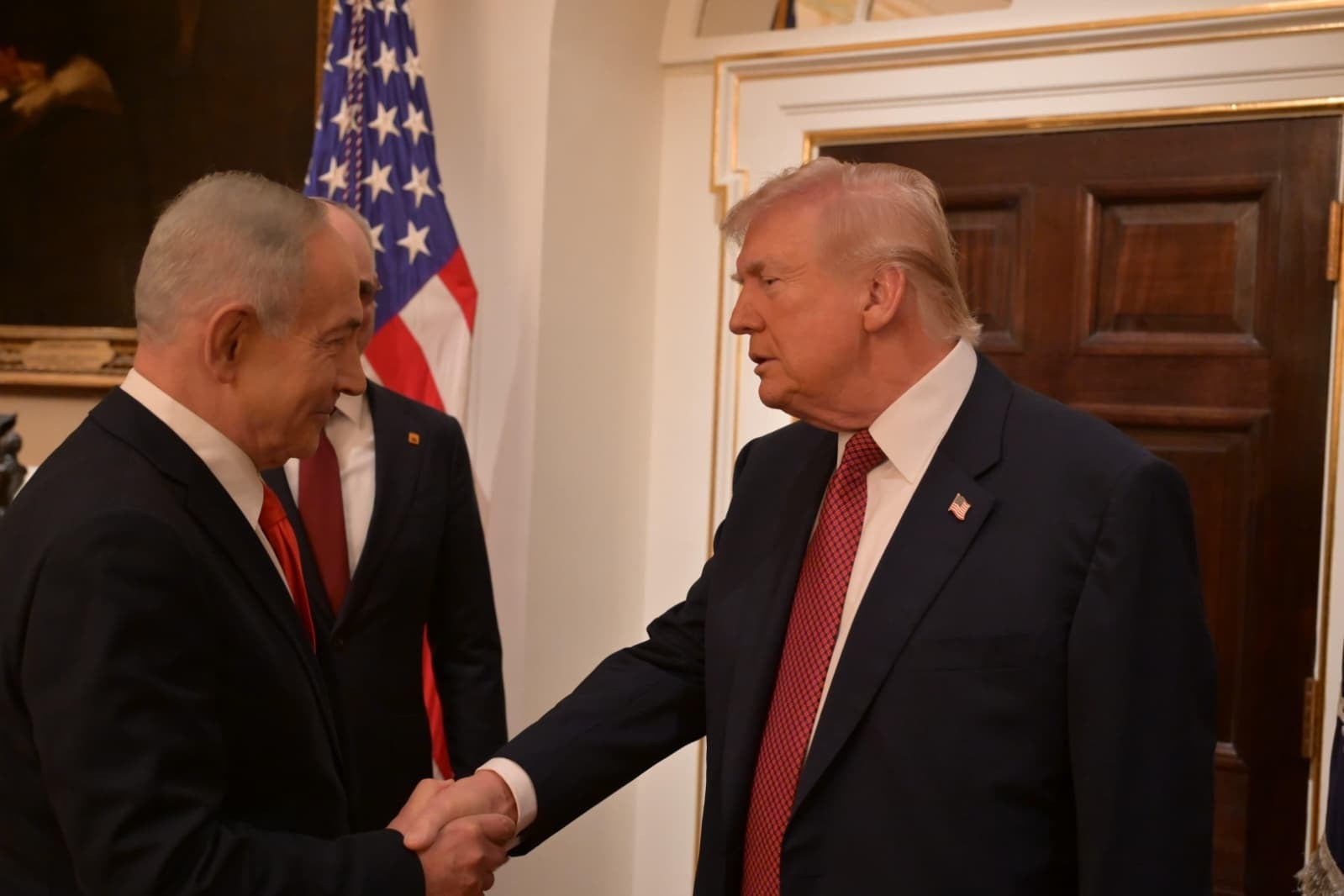
Prime Minister Benjamin Netanyahu (L) meets US President Donald Trump at the White House, February 11, 2026. (Avi Ohayon/ GPO)
Which brings us inevitably, necessarily, to the endlessly creative incoherence of the president of the United States.
What does Trump mean when he says, as he did on Monday, that “the war is very complete, pretty much”? Or, also Monday, that “We’ve already won in many ways, but we haven’t won enough”?
What of his assertion on Tuesday that “if we had waited three days, I believe we would have been attacked”? Iran would have attacked the United States? The mainland? US forces in the region?
This is the leader of the free world who, to some extent, holds all of our fates in his hands, and it’s simply not clear what he is saying, or more importantly, what he is doing and planning to do.
Is he prepared to talk to the regime, as he indicated on Tuesday, or is he resolute in working to ensure its demise? Is he about to abandon his declared effort to so weaken the ayatollahs as to enable the Iranian public to rise up and free itself? Or is he determined to follow through?
The Iranian people and Israel are on the same side? Well, that can’t be right
It has been bitterly amusing to watch Israel-haters, and Trump opponents, and Israel-hating Trump opponents, trying to frame the US-Israel strikes on Iran as unprovoked acts of colonialist brutality.
Their starting point is that the US and Israel are attacking Iran, so clearly that use of force must be illegitimate, foul and reprehensible. But, wait, the US and Israel are trying to take down the ayatollahs’ regime, which just killed tens of thousands of its own people. Iranians seem to be grateful. Iranians abroad are celebrating along with Jews and other supporters of Israel? That can’t be right!
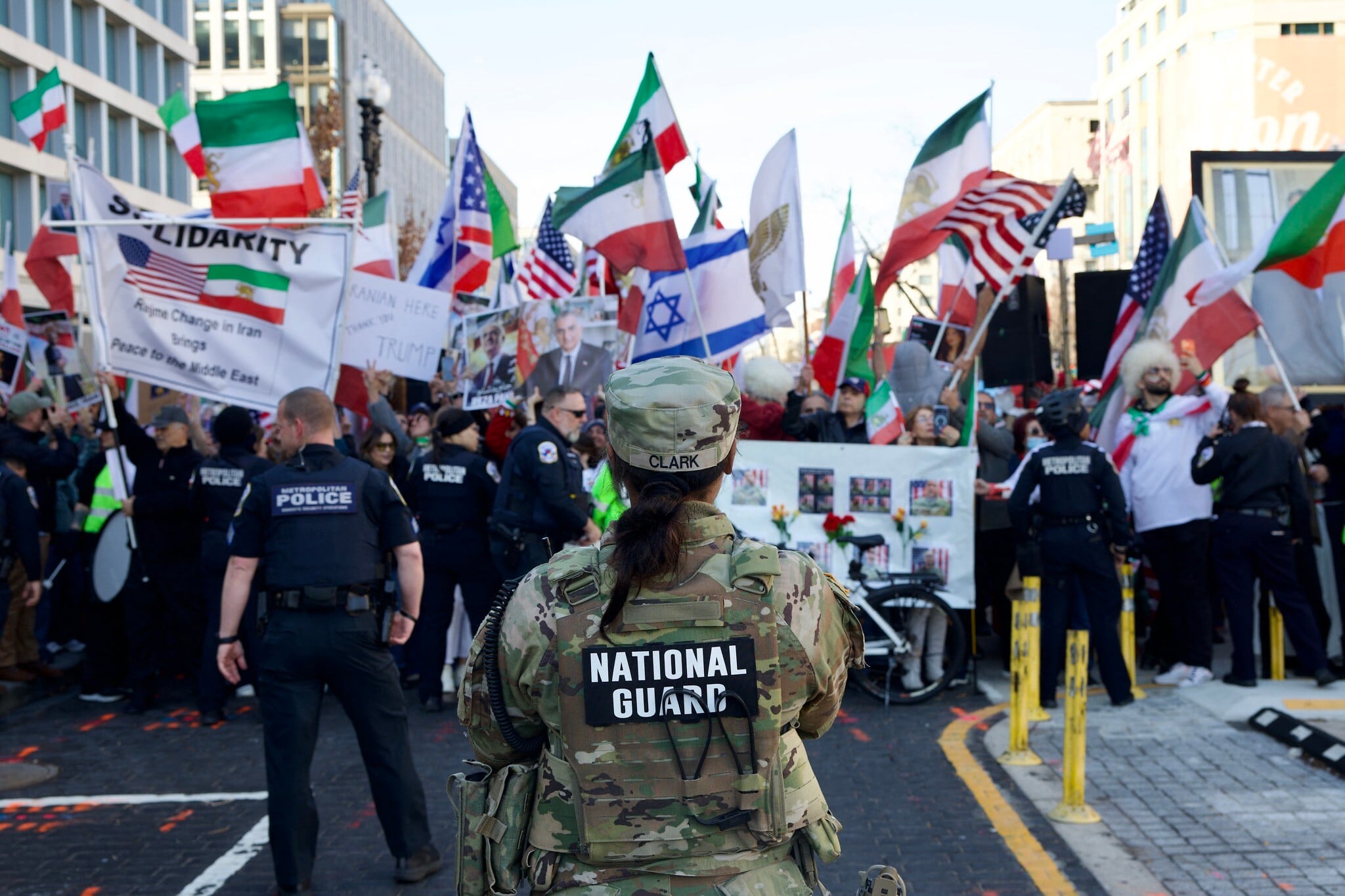
Police and members of the National Guard stand in front of demonstrators from the Iranian diaspora waving pre-Islamic revolution Iranian, Israeli and US flags as they protest against the Iranian government in front of the White House in Washington, DC, on March 7, 2026. (Amid FARAHI / AFP)
Oh, but Lebanon has been drawn into the war, widening the conflict and risking that country’s future, and Israel has even sent ground forces across the border. Those terrible Israelis are plainly bent on expansionism! Except that this second front was initiated by Iran’s Hezbollah terror group — against the express pleadings of Lebanon’s own president, who is accusing Hezbollah of endangering the very future of the country! How can Beirut and Jerusalem be singing the same tune? That can’t be right either!
Oh, but the beleaguered regime in Tehran, desperately trying to defend itself from the Satans “Little” and “Great,” is now reduced to striking targets across the Gulf and in Europe — so the US and Israel are irresponsibly risking World War III! That’s better! Except, wait again, Iran is actually hitting at some of its own potential allies and semi-sympathizers, like Qatar and Israel-loathing Turkey, and the Gulf states are furious, and Israel’s warnings that Iran could and would target Europe with its missiles have been vindicated?! That must be wrong!
Oh, but Iran has explained that it is attacking those countries, as well as obviously pounding Israel, because, bless, its missiles can’t (yet) reach the land of the Great Satan, so what choice does it have! Ah, yes, that makes sense.
And were the ayatollahs to be allowed to develop missiles that could reach the United States, and to arm those missiles with the nuclear warheads they continue to work toward, using the enriched uranium they refuse to relinquish, and then to fire and cause unthinkable loss of life… well, that, too, of course would be the fault of Israel and the US, because we had tried to stop them.
No off-ramps
Finally, to the actual challenge and the actual concerns.
For almost 50 years, the Islamic Republic has oppressed its own people, tried to destroy ours, and exported deadly terrorism worldwide. It will keep on doing so for as long as it retains power.
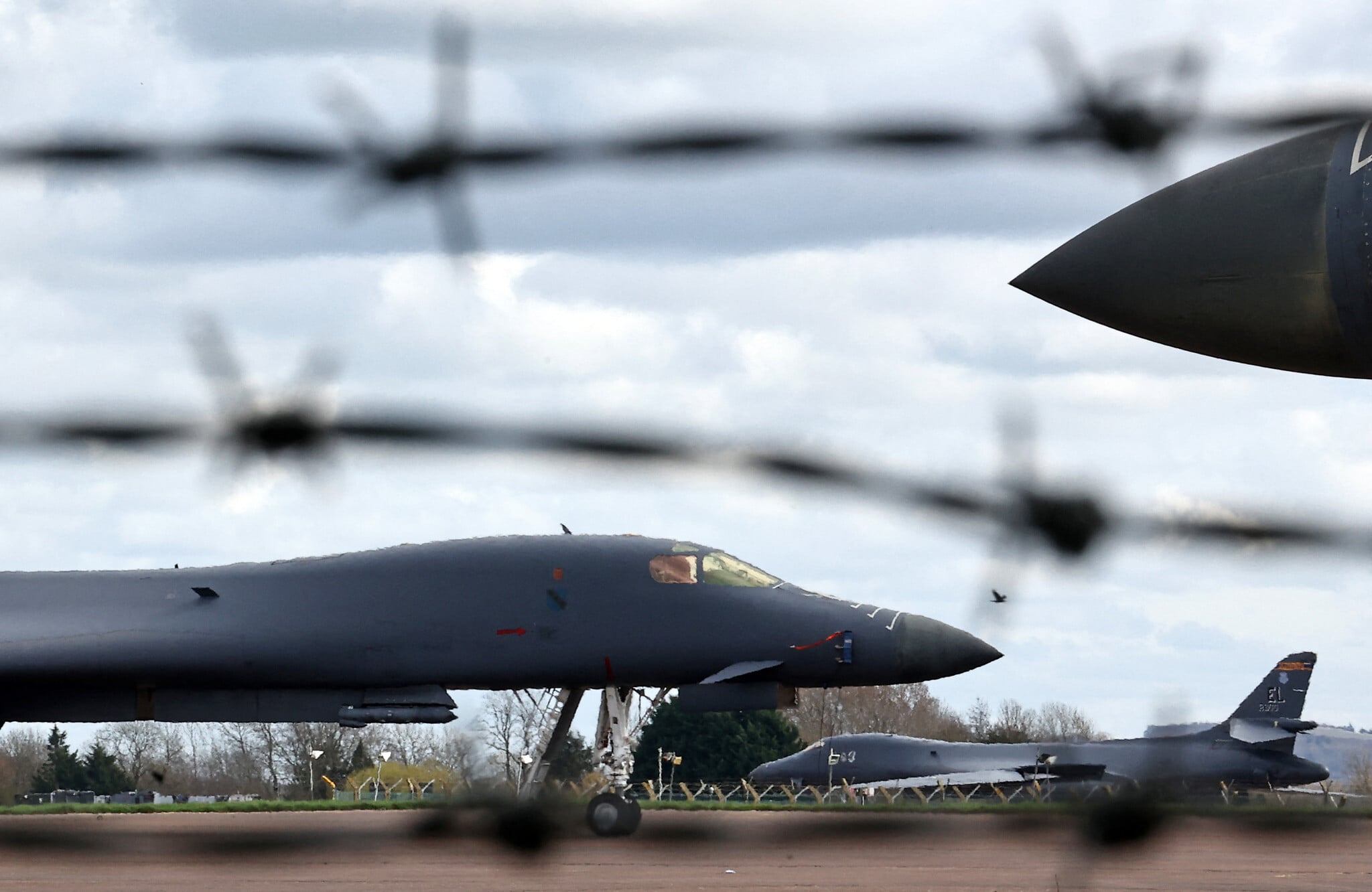
US Air Force (USAF) B-1 Lancer bomber jets stand parked on the tarmac at RAF Fairford in south-west England on March 10, 2026. (Henry Nicholls / AFP)
ToI’s reporters have been trying to establish whether the Trump administration and the Netanyahu government thoroughly prepared for this momentous war, including by interacting with Iran’s potential future responsible, life-affirming leaders. Or whether those new potential leaders are expected, unarmed, to organize and instantly wrest control and take over their vast nation if and when Trump and Netanyahu give the signal.
Amid unverifiable reports of Mossad activity on the ground in Iran, and vague comments from Trump about other leaders with whom he would have liked to work but are now dead, the CIA and the Mossad, unsurprisingly, aren’t talking for the record. The Mossad, would you believe, doesn’t even have a spokesperson.
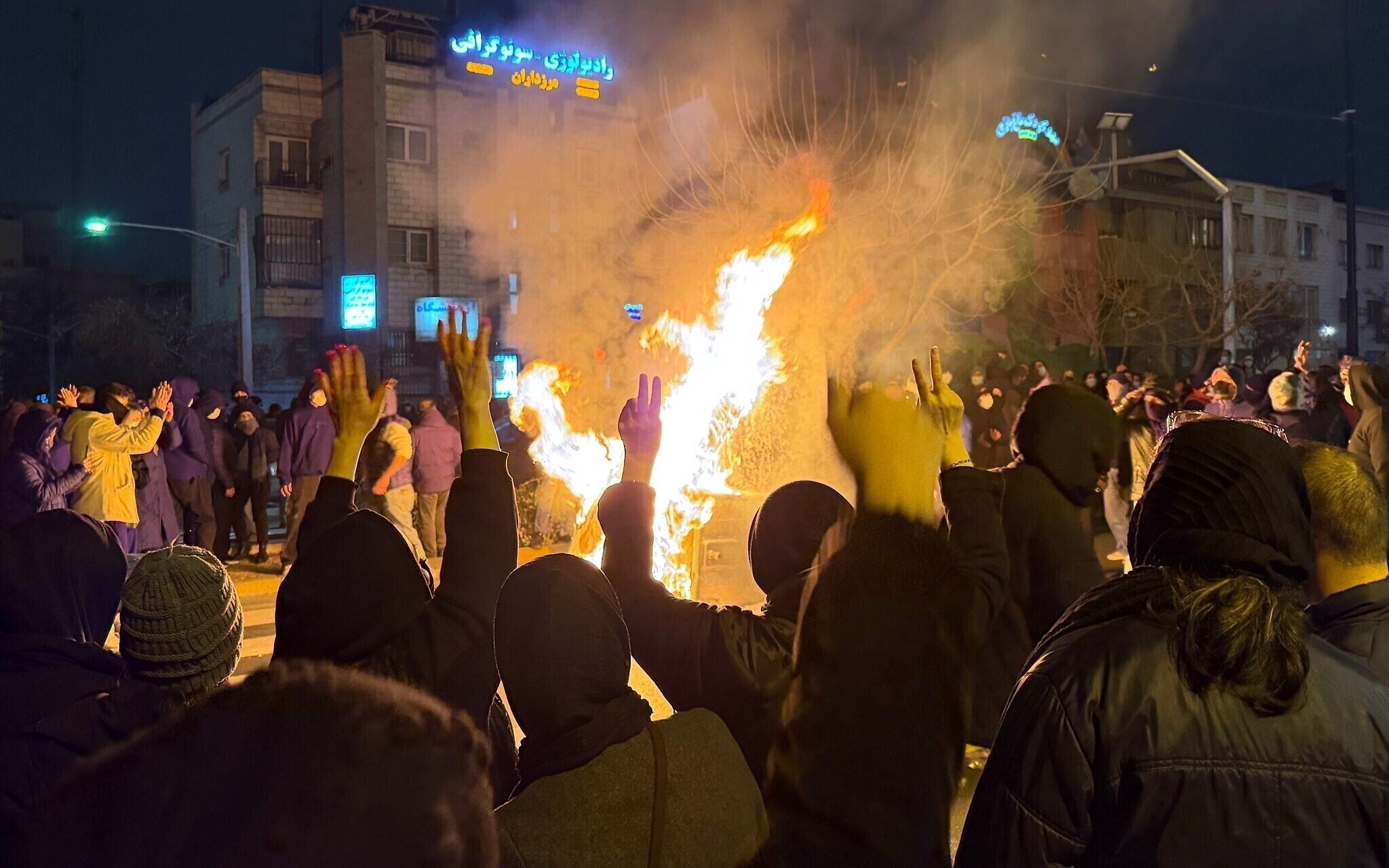
In this photo obtained by The Associated Press, Iranians attend an anti-government protest in Tehran, Iran, January 9, 2026. (UGC via AP)
The US and Israel did not need to declare that the ultimate goal of this war is to oust the regime, thereby enabling the ayatollahs to depict every day’s survival and capacity to wreak harm as a victory. But there should be no “off-ramps,” to use the in-vogue term, for this campaign. One way or another, the US and Israel must remain engaged in weakening the regime — militarily, economically, diplomatically, technologically.
The challenge is to inexorably remove the Islamic Republic’s ability to kill, threaten and intimidate the rest of the world, and eliminate its capacity to terrify, murder and quash the Iranian people, until it is gone.