
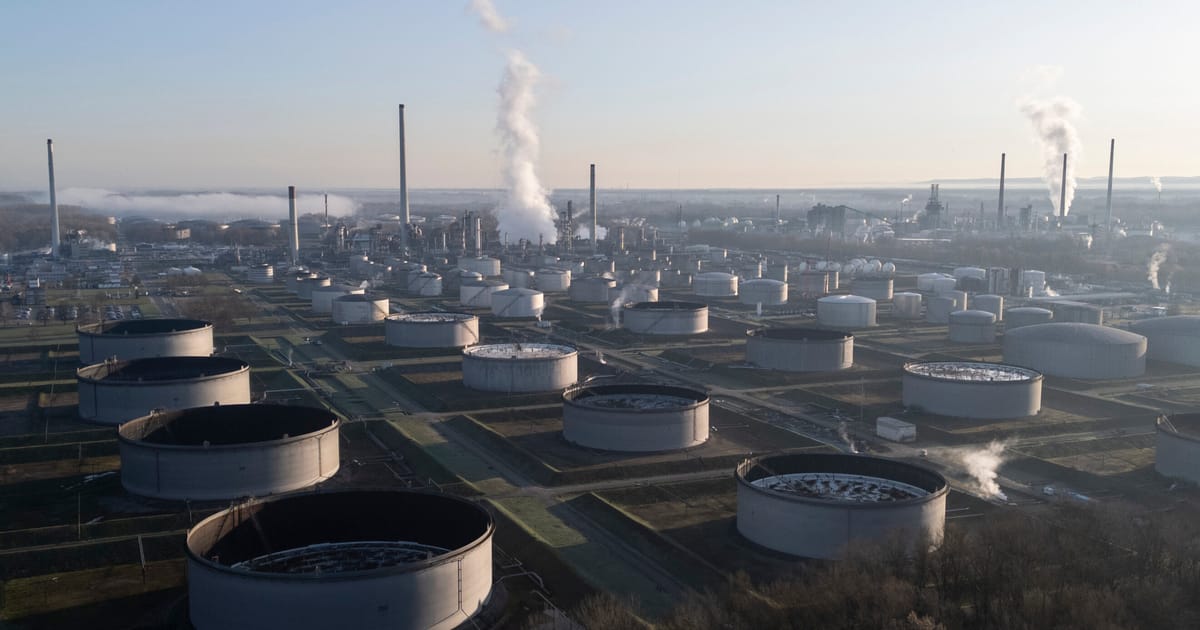
“The IEA has requested that oil reserves amounting to 400 million barrels be released,” Germany’s energy minister Katherina Reiche said on Wednesday. “We will comply with this request and make our contribution, because Germany supports the IEA’s most important principle of mutual solidarity.”
French Finance Minister Roland Lescure, who chaired G7 meetings of finance and energy ministers earlier in the week, said on Wednesday that the signal sent to markets on the possible joint release already had a positive impact on prices.
“If stocks are released around the world, that allows the reintroduction of oil in different forms, refined or not, to raise the amount of oil circulating around the world and limit tensions on prices,” Lescure told reporters on Wednesday after a French cabinet meeting.
The United States, as well Japan and South Korea — which have been hit hardest thanks to their heavy reliance on oil from the Persian Gulf — are particularly supportive of tapping the reserves, according to two European officials familiar with the matter.
European countries — which only import a relatively small amount of oil from the Gulf — were more reluctant at first, but the combination of American and Asian pressure, plus IEA backing and the realization that it would ease price pressures, swayed them, according to another European energy official.
French President Emmanuel has convened a virtual meeting of G7 leaders at 3 p.m., which is expected to address the release decision. The IEA is expected to give a full breakdown of its proposal at the same time.