

CBC News has learned two people — including a 22-year-old international student — died after giving plasma at Winnipeg collection centres that pay people for their donations.
The deaths are under review by Health Canada, which confirmed it received two reports of fatal adverse reactions in plasma donors — one in October of last year and another on Jan. 30, 2026.
The federal regulator says it is still assessing these reports and has not made a link between the plasma collection and deaths, and the company that runs the centre says it has “no reason to believe” they are connected.
Rodiyat Alabede died on Oct. 25 after friends say the 22-year-old went to an appointment at the Grifols Plasma Donation Centre on Taylor Avenue to give plasma.
“She was always happy. She had so many dreams, especially when she came to Canada,” said one of her close friends, Mary Ann Chika. “She held a big place in my heart.”
Originally from Nigeria, Alabede moved to Winnipeg in 2022 to study at the University of Winnipeg, with the goal of becoming a social worker.
She had a passion for helping people and wanted to work with people with disabilities, Chika said.
WATCH | Health Canada reviewing deaths: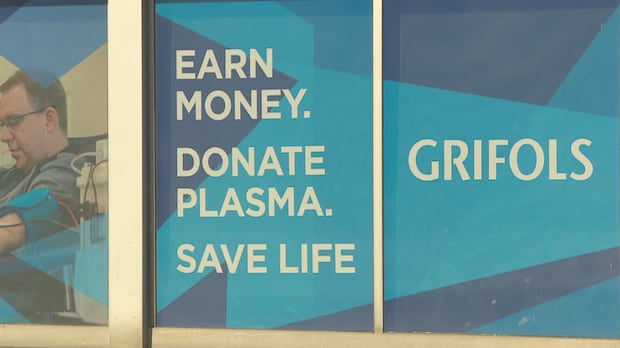
Health Canada says 2 deaths reported after plasma donation at for-profit Winnipeg collection centres
Two people, including a 22-year-old international student, died after giving plasma at Winnipeg collection centres that pay people for their donations.
Chika wasn’t there when her friend went to Grifols, but was the one to identify Alabede in hospital after she was pronounced dead.
She said doctors didn’t have much information to share, but told her Alabede’s heart stopped beating while she was giving her plasma at the centre.
“And before she arrived at the hospital, she had already passed,” Chika said.
Do you have a tip you want to share? Send your tips in confidence to iteam@cbc.ca or call us at 204-788-3744.
According to Health Canada, the second reported fatal adverse reaction happened on Jan. 30 after a donation at Grifols’ Innovation Drive location. The spokesperson couldn’t provide any more details on the identity of the person, citing privacy laws.
Grifols, a Spanish-based company which specializes in producing plasma medicines, has over a dozen plasma collection centres in Canada.
The for-profit company has operated in Winnipeg since 2022 after acquiring Canadian Plasma Resources. It runs two centres locally — one on Taylor Avenue and one on Innovation Drive — where people are paid for their plasma.
A representative for Grifols declined an interview request.
In an emailed statement, a spokesperson said an internal review was conducted and “based on the information available at this time, we have no reason to believe that there is a correlation between the donors’ passing and plasma donation.”
Plasma donors receive honorarium payments of up to $100 per donation, according to Grifols’ website. They also offer larger payments based on the frequency of donations. This includes a $50 bonus for every 10 donations made within six weeks.
All establishments that collect plasma are regulated by Health Canada and must report to the federal regulator if a donor has experienced a serious reaction during donation or within 72 hours following a donation.
‘Like getting struck by lightning’: doctor
The reports of two deaths in such a short span surprised experts, who say plasma donation is safe, citing someone dying being akin to “getting struck by lightning.”
Dr. Ryan Zarychanski, a hematologist who specializes in blood disorders, says it is extremely rare for someone to die following plasma collection.
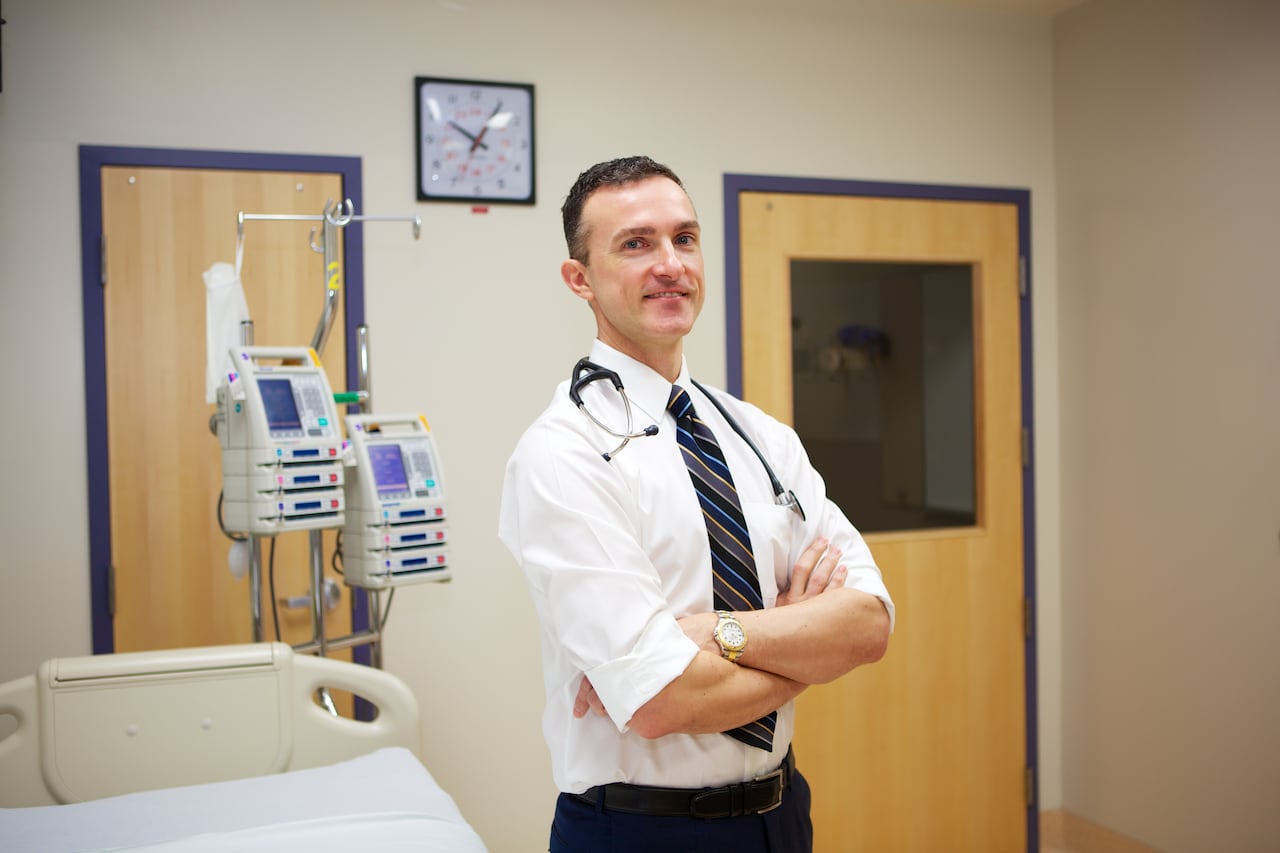 Dr. Ryan Zarychanski, a hematologist who specializes in blood disorders, says donating plasma is safe.
(Submitted by University of Manitoba)
After over a decade in the field, he said the worst reaction he has seen was someone fainting while donating.
“The probability of someone getting very seriously harmed by donating plasma is like getting struck by lightning,” he said.
Zarychanski pointed to a few scenarios that could cause serious harm, such as malfunctioning equipment, a procedure not followed appropriately or if the donor wasn’t healthy.
He says it leads to a lot of questions about how this happened.
“Are donors screened properly?… Are staff who do the procedure trained properly? Are the machines working correctly? Is there proper oversight of programs in general?” he said.
Grifols says safety their top priority
A spokesperson for Grifols declined to disclose any further information regarding what caused the deaths, saying they wanted to respect the review process and the donors’ families.
The spokesperson said they “were saddened to learn of the recent passing of two of our donors.”
“The health and safety of our donors is our ultimate priority,” the spokesperson wrote in an emailed statement.
“Every donor undergoes an extensive health history evaluation and physical examination before being deemed eligible to donate.”
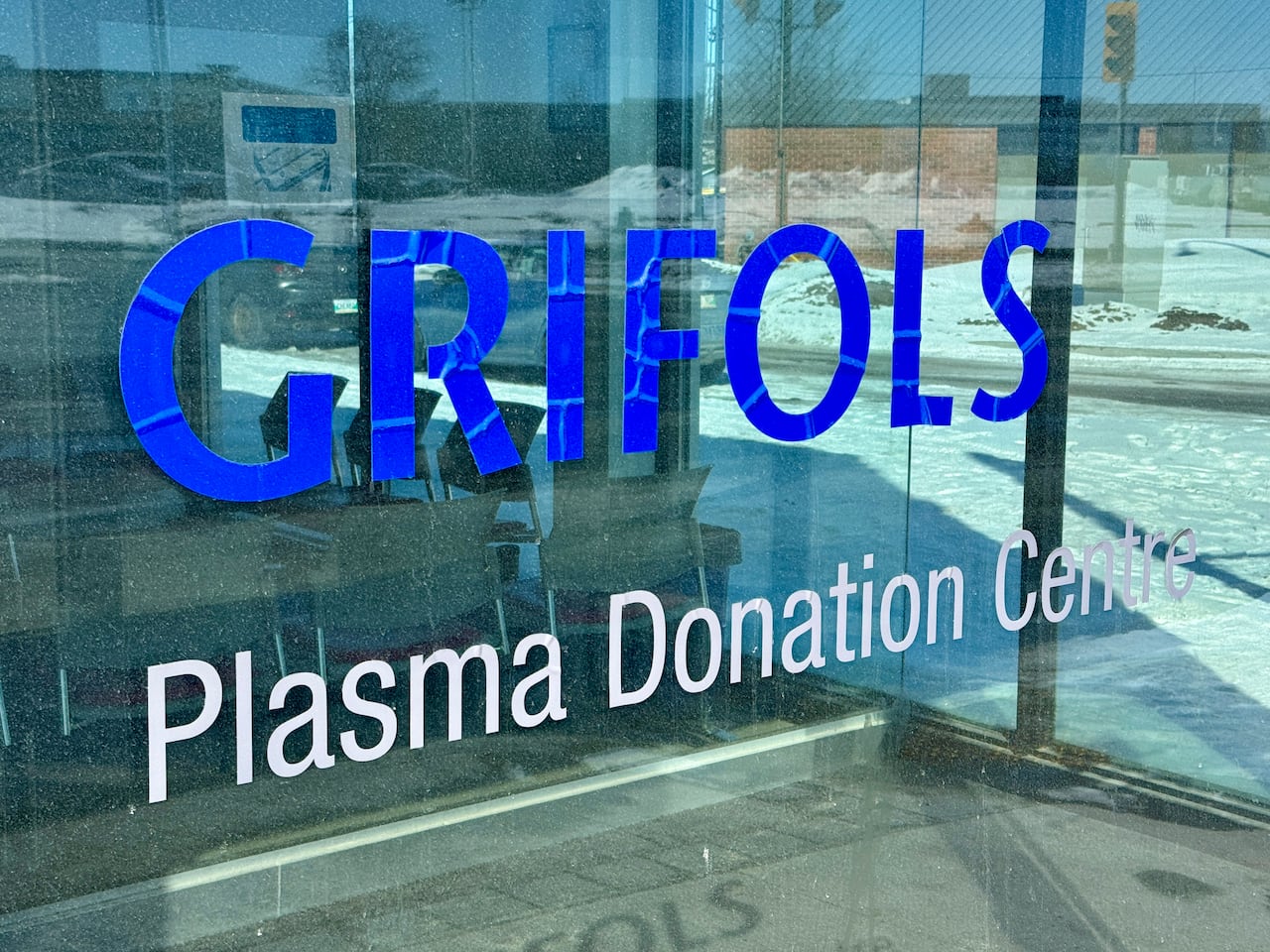 Friends say Rodiyat Alabede went to the Grifols location on Taylor Avenue to give a paid plasma donation. (Justin Fraser/CBC)
Health Canada “immediately conducted on-site visits” at the plasma collection centres following each report, a Health Canada spokesperson said in an emailed statement.
The spokesperson said they examined records related to the incidents, verified that standard operating procedures were being followed and that there were sufficient qualified staff present.
They are still in the process of reviewing the information and will take action to address any areas where the clinics are not complying, the spokesperson said.
Must be between 17-68 to give plasma
It is up to each province to decide if someone can collect a payment for plasma donation. Only three provinces — Ontario, British Columbia and Quebec — have legislation in place banning paid plasma clinics.
However, centres have opened in Ontario following a 2022 partnership between Canadian Blood Services and Grifols because of legislation that exempts CBS from the ban.
People can also choose to donate their plasma to Canadian Blood Services, the non-profit that manages the national supply of blood products for all the provinces and territories, excluding Quebec.
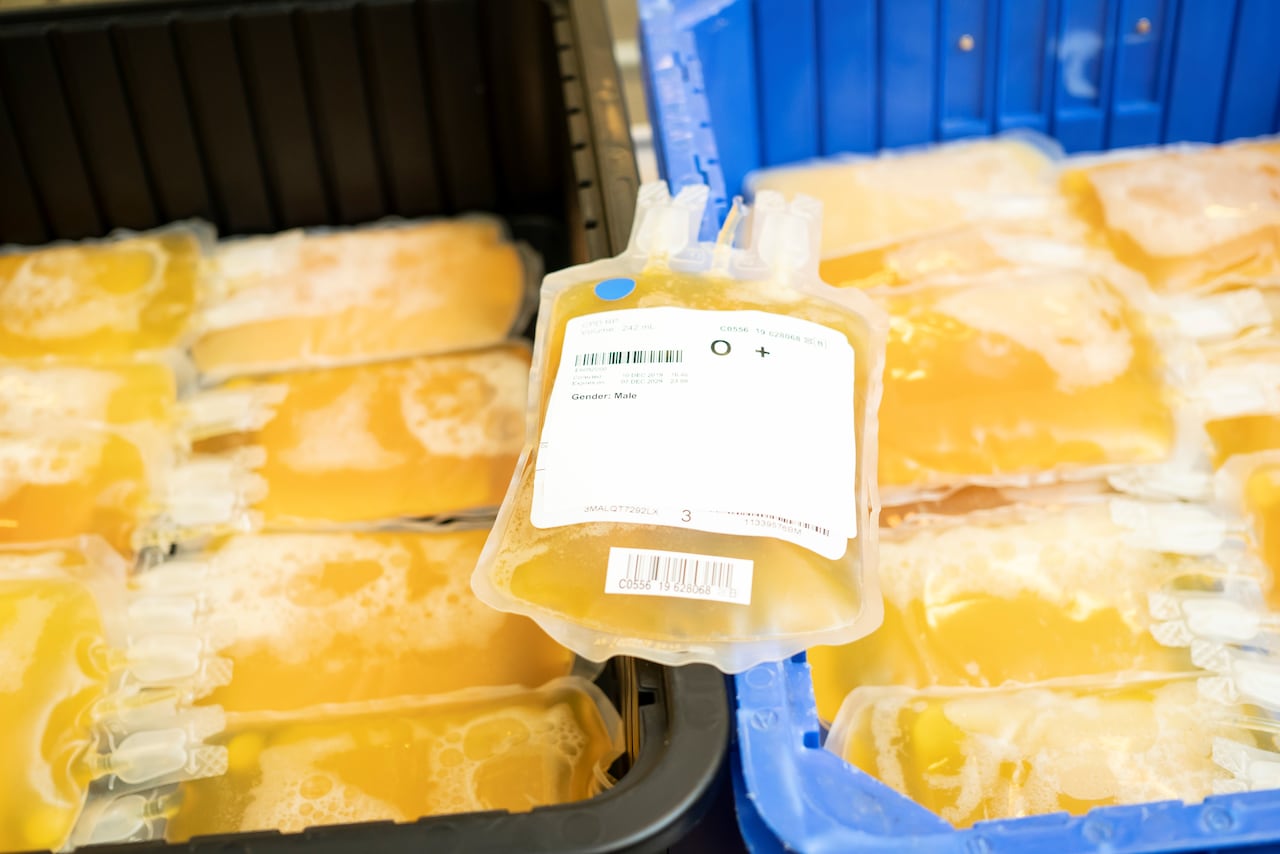 Plasma is a protein-rich liquid that helps treat bleeding disorders, liver diseases and cancer. It is collected through a machine that draws blood from a person’s arm, separates the plasma, and returns other components to the person. (Submitted by Hiep Vu/Canadian Blood Services)
Plasma is a protein-rich liquid that helps treat bleeding disorders, liver diseases and cancer. It is collected through a machine that draws blood from a person’s arm. It then separates the plasma from red blood cells and platelets, before returning those other components to the person.
According to Grifols’ donation eligibility guidelines a donor must:
Be between 17 and 68 years of age.Weigh between 50 kg to 180 kg.Fill out a questionnaire and receive a medical examination Have eaten a full healthy protein-rich meal within two hours before donation.Have not had a tattoo or piercing done in the past six months.Have not donated blood (as opposed to plasma) in the past 56 days.
Chika said she has no idea how her friend was screened or what could have caused her death.
When she looks back at Alabede first year’s in Winnipeg, she remembers helping her navigate things and get used to life in Canada. In return, Alabede gave her sound advice and was someone she could always count on.
Now, Chika wants to do one last thing for her friend: find out how she died.
“We’re all in the dark,” Chika said. “It would give us a lot of closure to know what actually happened.”