
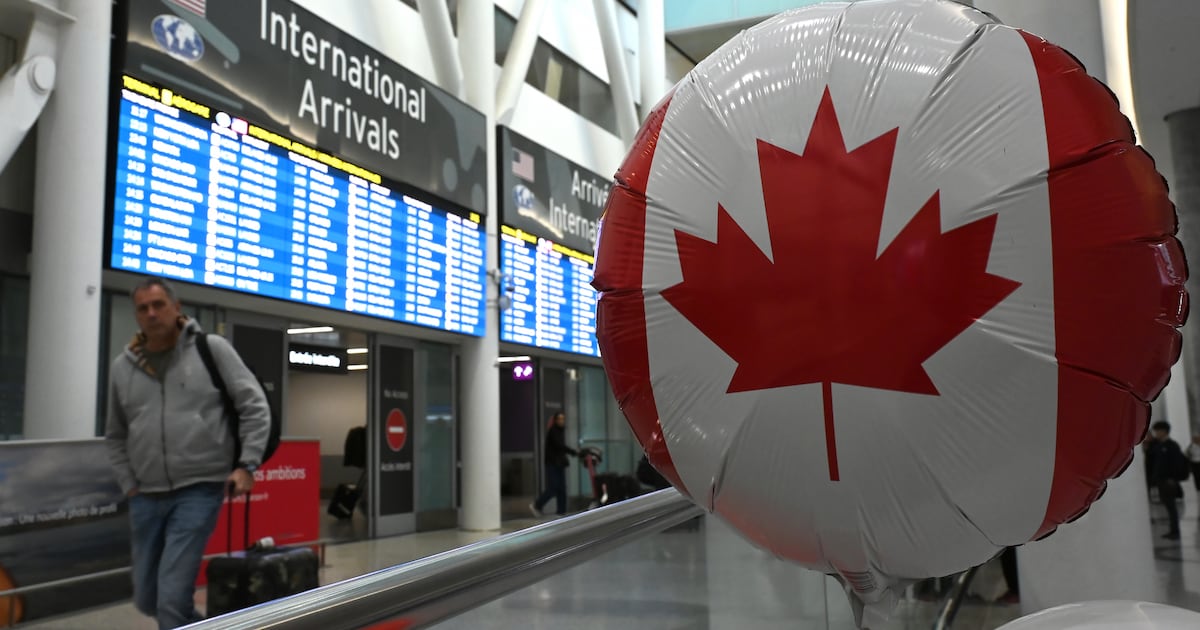
SASKATOON – Canadians looking to book flights in the coming weeks and months could see a noticeable spike in airfare, as the war in Iran propels the price of jet fuel.
John Gradek, an aviation management lecturer at McGill University, estimates international flights could increase by $100 to $200 one way, if jet fuel prices remain high.
“Expect fare increases and significant fare increases over the next few months,” Gradek told CTV News.
“If you want to buy a ticket next week, the fuel surcharges will be there. If you buy travel for July or August, yes, those surcharges will be there.”
He’s unsure how domestic travel will be impacted as airlines could try to minimize the effects within North America. If nothing can be done, he suspects a fuel surcharge between $50 and $100 will likely be added onto Canadian and U.S. flights.
In a statement to CTV News, West Jet said fuel is the largest input cost for an airline and the abrupt increase in jet fuel costs has already made operating flights more expensive.
“Based on this, it’s likely further pricing adjustments may be needed,” the company said.
A spokesperson for Porter Airlines said it’s too early to forecast how ticket prices may be impacted.
Air Canada also wouldn’t speculate on future prices but said the airline has taken “hedging positions for a small portion of our short-term needs to manage fuel price volatility for already booked revenues.”
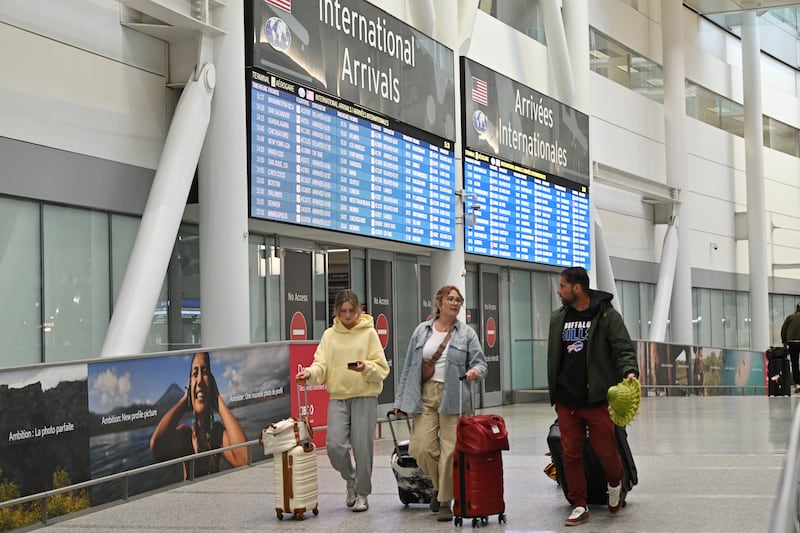 Toronto Pearson Airport International passengers arrive at Pearson International Airport in Toronto, Ont. on Wednesday, Feb.11, 2026. THE CANADIAN PRESS/Jon Blacker Price of oil zigzags
According to Google Flights Price Tracking, a one-way ticket from Saskatoon to Toronto in May cost about $137 a week ago. That same flight now costs around $226.
Similarly, an international flight in May from Saskatoon to London, England cost $563 last week. This week it costs $649. It’s not clear if soaring oil prices are behind those specific increases.
Earlier in the week, the price of oil zigzagged up and down, but remained more than US$90/barrel, about 40 per cent more than airlines accounted for in their budgets, according to Gradek.
“No matter where the number settles, it’s going to be higher than what the airlines had planned to spend in 2026 in terms of their budgets and the basis for their airfares,” he said.
On Tuesday, Scandinavian Airlines along with airlines in Australia and New Zealand announced airfare hikes due to the spike in fuel costs driven by the conflict in the Middle East.
Robert Kokonis, president of Toronto-based aviation advisory AirTrav Inc., believes it’s too early to tell how the conflict will impact airfare in Canada.
If the hostility in the Middle East continues and high oil prices are sustained for another two weeks, he agrees “we’ll see some of this energy price increase creep into the cost of airplane tickets.” At that point, airlines could re-introduce fuel surcharges, he said.
“(Airlines) are being very cautious in how they approach this,” Kokonis said.
“If they were to increase (airplane tickets), it would certainly put a dent in the demand.”
Even the current cost to fly has Regina resident Jamie Vinken reconsidering this year’s travel plans with her partner. Future increases would solidify her decision.
“Being able to get to different places within our own country is becoming less and less accessible,” she said. “At this point, we’re probably just going to go camping in Saskatchewan where we can drive.”
But Vinken has no choice but to book a flight for May. She has to write an exam in Ottawa.
Typically, she books flights about six weeks in advance when she says prices tend to be better. But she doesn’t want to risk a possible price increase due to soaring fuel costs.
“I’m going to try and book it sooner rather than later,” she said. “I’ve just been too afraid to look at the actual costs right now.”
Kokonis says it’s ultimately up to the individual consumer, but it might be wise to lock in plane tickets now.
If it’s for a trip in the next few weeks, travellers might be okay to hold off, he said. But for passengers planning an international trip for this summer or fall, they may want to consider buying their flights soon.
According to Gradek, sustained fuel surcharges have a tendency to become part of the base fare structure once passengers get used to the fee after a few months.
“Good luck if you think you’re going to see these things disappear,” he said.
Domestic flight prices will likely fare better than international airfare. Gradek says there is enough airline competition within Canada that prices during the shoulder season “shouldn’t be too bad.”
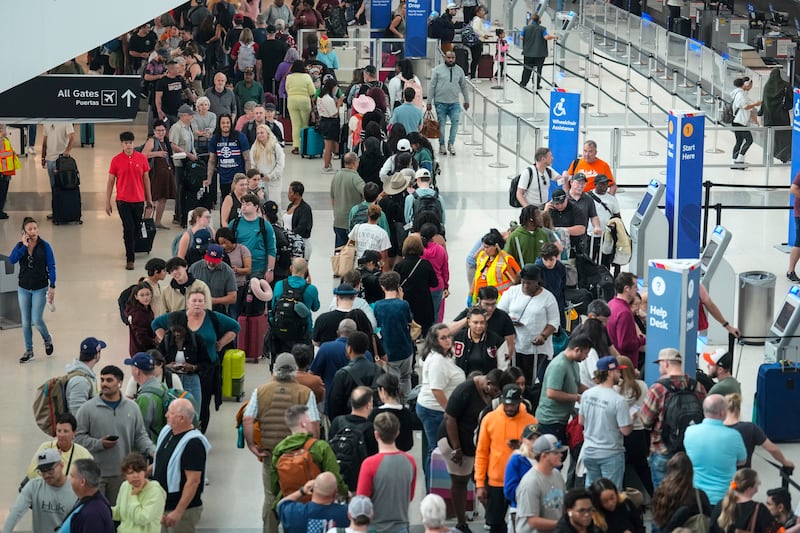 Texas airport Airline passengers wait in long lines to get through the TSA security screening at William P. Hobby Airport in Houston, Sunday, March 8, 2026. (Brett Coomer/Houston Chronicle via AP)