
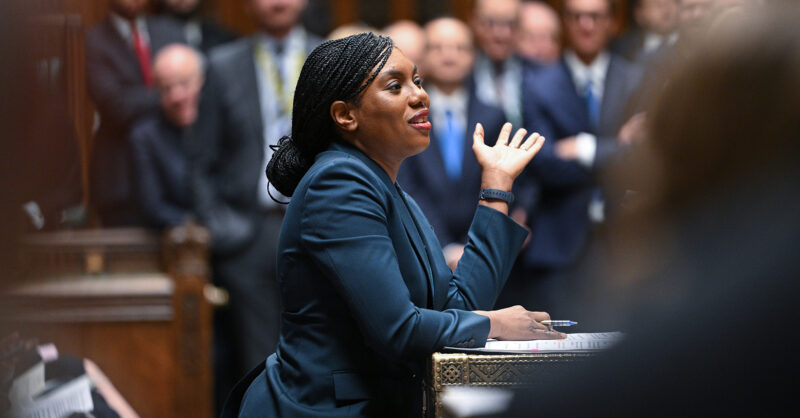
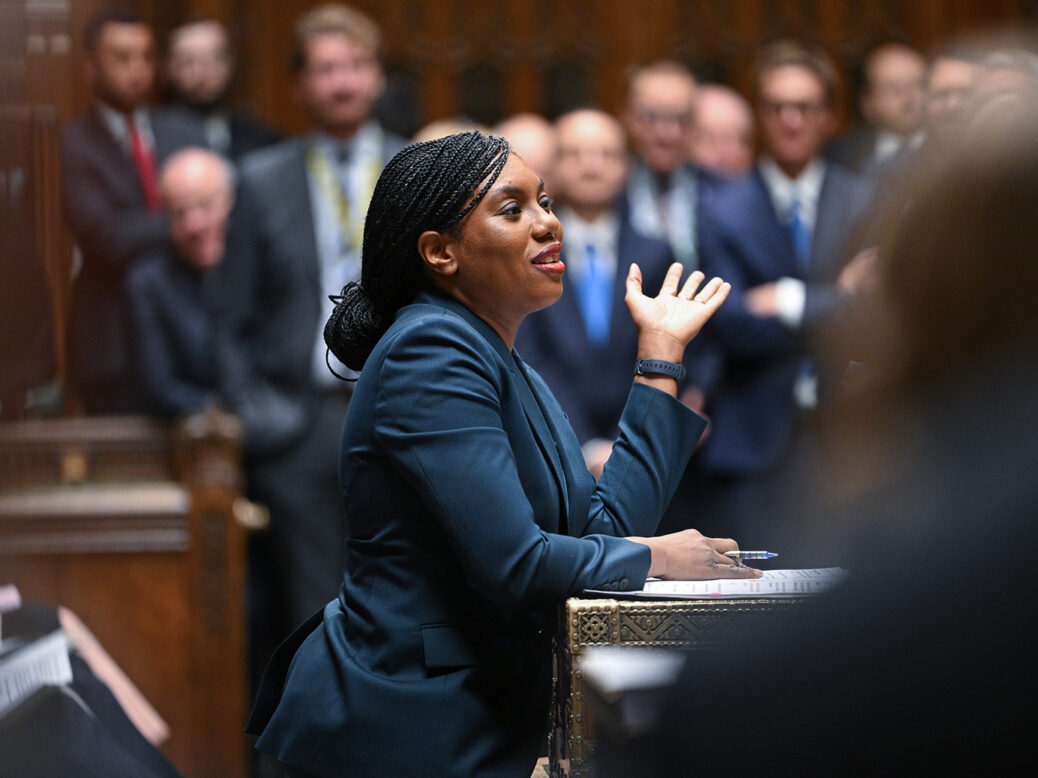
Photo by House of Commons
PMQs can sometimes feels like a window into two very distinct realities. Today was one of those weeks. Kemi Badenoch turned up with the mindset that the past is another land: her initial position on the Iran war and to what extent the UK should get involved with US-Israeli strikes was last week’s news, and has no relevance to her questions this week.
These were all about fuel duty; namely, the Chancellor’s announcement that the fuel duty freeze that was brought in as a “temporary” measure a decade and a half ago would be withdrawn in September. With a fresh conflict in the Middle East that has made prices go haywire and is already increasing the cost of energy across the world, the timing couldn’t be worse. The Tory leader came armed with what she clearly considered a killer argument that the Prime Minister thinks “now is the time to increase the cost of petrol”.
What she had not seemed to consider was that Keir Starmer is not suffering from memory loss. The Conservatives’ gung-ho approach to UK involvement in Iran has changed dramatically in recent days as the unpopularity of both Donald Trump and his military intervention among the UK public has solidified from “strong” to “unignorable” – and Starmer was not about to let her forget that.
“The leader of the opposition attacked me for that decision relentlessly,” he reminded the House (for a recap of that disastrously misguided attack, just look at last week’s PMQs). Badenoch, he said, has now “totally abandoned her position” and has been out and about trying to insist UK involvement hadn’t been her position at all. “That is the mother of all U-turns on the single most important position a prime minister ever has to take” on whether to go to war.

Subscribe to the New Statesman today for only £1 a week.
The rest of the exchange was essentially a repetition on this theme. Badenoch asked about fuel duty; Starmer skewered her and her party over this “screeching U-turn”, with some sharp asides about her being unfit for his role (“In this job you don’t get a second shot on making the right call on taking your country to war”). Badenoch tried to imply that rising fuel prices are entirely the fault of the government (and not the result of US military action she supported); Starmer stressed the need for de-escalation. At one point, Badenoch speculated “If I were prime minister, HMS Dragon would have left a week ago”, as though the delays and challenges of the UK’s navy, depleted after more than a decade of underfunding, could be overcome by determination alone. Starmer took the opportunity to mention the teams working “22-hour shifts) to ready the ship and flag Badenoch’s comments about RAF servicemen “just hanging about”. Hot tip: if you want to present yourself as the patriotic champion of the British military, maybe try not to insult them.
All in all, it was another extremely rocky week for the Tory leader – which was all but inevitable given the issue she chose to lead on has seen her party scrambling to get its position straight. The fact that this issue is, as Starmer pointed out, pretty much the most important thing a government has to decide did not help. Added jibes about angry farmers and Andy Burnham just made Badenoch look irrelevant for the second week in a row.
But what about fuel duty? The PM’s line is that the rise isn’t going to happen until September so there is no need to think about it now. This is not exactly reassuring – to individuals and businesses who can seen added costs on the horizon, or to Labour MPs who have to defend the looming increase ahead of local elections up until the point of U-turn. Surely, if the conflict continues, the government will have to rethink? There was a telling moment where Starmer said: “There hasn’t been a rise, there isn’t going…” before catching himself. Badenoch’s dismal performance today does not change the fact that putting up the tax on petrol at the exact moment it is already getting more expensive is surely untenable. The government is clearly hoping the situation will have stabilised by September. But in response to Tory MP Graham Stuart’s demand that he “give them an answer”, Starmer replied, “of course we’ll look carefully at the situation”. Watch this space.
Other points of note this week came from the Lib Dem leader, the SNP leader, and the Speaker himself, who interrupted Starmer to remind him once again that this is meant to be Prime Minister’s Questions, not questions to the opposition. Ed Davey was back in Starmer bromance mode, using both his questions to attack Nigel Farage – first for the Reform leader’s position on handguns, then on him competing with Badenoch to be “Donald Trump’s biggest cheerleader” and supporting “costly warmongering”. It’s a marked change from the evident animosity last month during the peak of the Peter Mandelson Epstein files crisis. With the first tranche of Mandelson documents being published imminently, it is unclear how long this Lib Dem détente will last. But on the question of Iran, Davey was back in his happy place as anti-Trumper in chief.
Finally, Stephen Flynn provided a reminder that while Starmer’s stance since the war began is broadly in line with that of the British people, the UK’s limited involvement in allowing the US to use British bases for defences purposes is not uncontroversial. The SNP leader raised the harrowing footage of “an American Tomahawk missile landing on a primary school, killing 110 children – does he believe that to be a war crime?” His assessment that Starmer “did indeed take us into this war” may not be one shared by the Conservative and Reform benches, but there is no escaping the fact that as the conflict continues, the UK’s uneasy tightrope act will become even more challenging. And that’s before we even get to defence spending.
Content from our partners