
Your support helps us to tell the story
From reproductive rights to climate change to Big Tech, The Independent is on the ground when the story is developing. Whether it’s investigating the financials of Elon Musk’s pro-Trump PAC or producing our latest documentary, ‘The A Word’, which shines a light on the American women fighting for reproductive rights, we know how important it is to parse out the facts from the messaging.
At such a critical moment in US history, we need reporters on the ground. Your donation allows us to keep sending journalists to speak to both sides of the story.
The Independent is trusted by Americans across the entire political spectrum. And unlike many other quality news outlets, we choose not to lock Americans out of our reporting and analysis with paywalls. We believe quality journalism should be available to everyone, paid for by those who can afford it.
Your support makes all the difference.Read more
The US navy will escort oil tankers through the Strait of Hormuz with the help of an “international coalition” in the face of threats from Iran, the US treasury secretary has said.
Relentless attacks on tankers in the Persian Gulf have caused oil prices to skyrocket above $100 a barrel as Tehran attempts to block passage through the critical waterway.
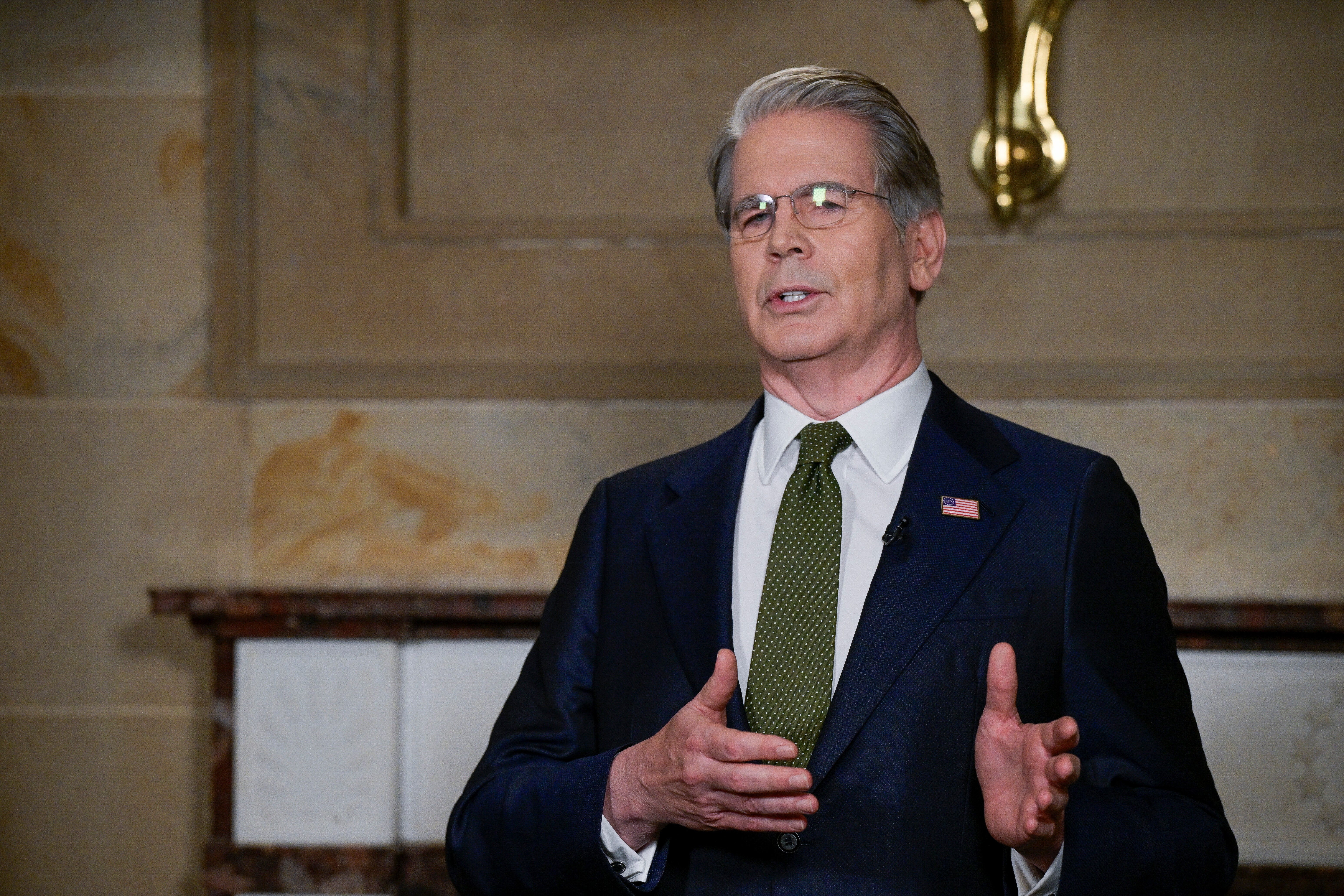
“My belief, that as soon as it is militarily possible, the US Navy, perhaps with an international coalition, will be escorting vessels through,” Scott Bessent told Sky News.
“There are, in fact, tankers coming through now, Iranian tankers, I believe some Chinese flag tankers have come through. So we know that they have not mined the straits.”
open image in gallery
Scott Bessent said Iran has ‘not mined the straits’ (Copyright 2026 The Associated Press. All rights reserved.)
The US Institute for the Study of War estimated on Wednesday that 10 mines had been laid, further complicating the blockade, though President Donald Trump had said earlier that ships “should” transit through the strait.
About one-fifth of the world’s oil passes through the Strait of Hormuz. Last week, Iran’s Islamic Revolutionary Guard Corps navy declared it had “complete control” over the passage in an attempt to spark economic turmoil.
Iran has claimed it will let ships pass through the Strait of Hormuz if they coordinate with the Iranian navy.
“After the current events, generally we cannot return to conditions before February 28… as we have understood how important the safety of the Strait of Hormuz is, and so did the others,” Iran’s Foreign Ministry spokesperson Esmaeil Baghaei said on Thursday, according to the Mehr news agency.
open image in gallery
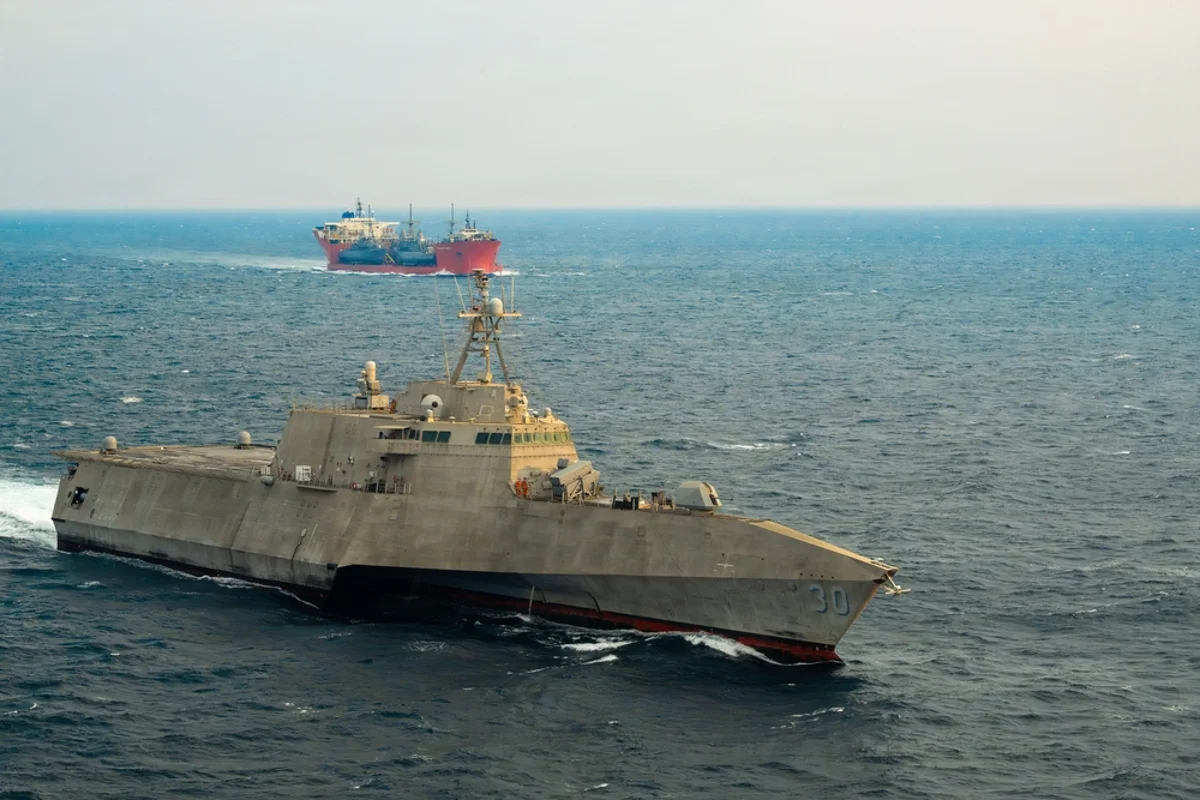
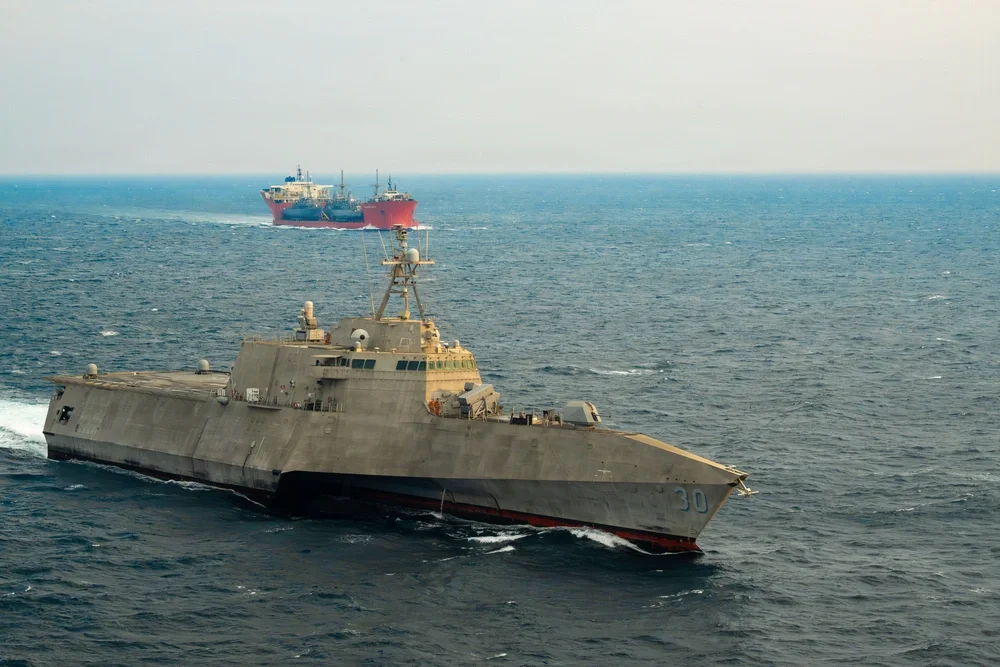
The cargo ship carrying for decommissioned minesweepers is escorted by U.S.S. Canberra, one of the Littoral Combat Ships that will be tasked with clearing mines in the Strait of Hormuz if needed (US Navy)
Commercial ships near or in the Strait of Hormuz and Persian Gulf have been declaring themselves as China-linked, to reduce the risks of being targeted in attacks, the Associated Press reported.
On Thursday, oil prices rose further despite a global agreement to release a record 400 million barrels of reserves. Brent crude rose by another 4 per cent to nearly 96 US dollars a barrel in morning trading on Thursday, following similar gains on Wednesday, in spite of the International Energy Agency’s (IEA) move to boost worldwide oil reserves.
The IEA, which includes the UK, said the oil release – the largest in the 50-year history of the 32-nation alliance – would account for around a third of its 1.2 billion barrel emergency stockpile as it looked to stabilise markets.
But oil and markets remained under pressure after three more cargo vessels were hit in the Gulf as Iran steps up its threats to disrupt oil supply and shipments.