
REEDLEY, Calif. (KFSN) — More than one-third of the world’s fertilizer trade moves through the Strait of Hormuz, and ongoing conflict involving Iran has put those shipments at risk, raising concerns for farmers in California’s Central Valley as prices begin to climb.
As ships remain at a standstill in the region, fertilizer distributors and growers are watching closely.
Valley farmers are already feeling the effects, according to Ralph Rendon, CEO of GAR, a family-owned agricultural company based in Reedley that distributes fertilizer to farms across the Valley and beyond.
“Prices have definitely gone up a little bit. We’re gonna see the prices go up again if this thing goes on,” Rendon said.
GAR works with hundreds of suppliers and serves about 2,000 farms Valleywide.
Rendon said the company is monitoring global developments while trying to ensure steady access to fertilizer for its customers.
“For the mean time we’re sitting okay with our suppliers. We have commitments out there. We’re feeling pretty good about where we are and having supply of product but I would say this goes on for another six months few months then we’re gonna really have to start figuring out a secondary back up plan,” Rendon said.
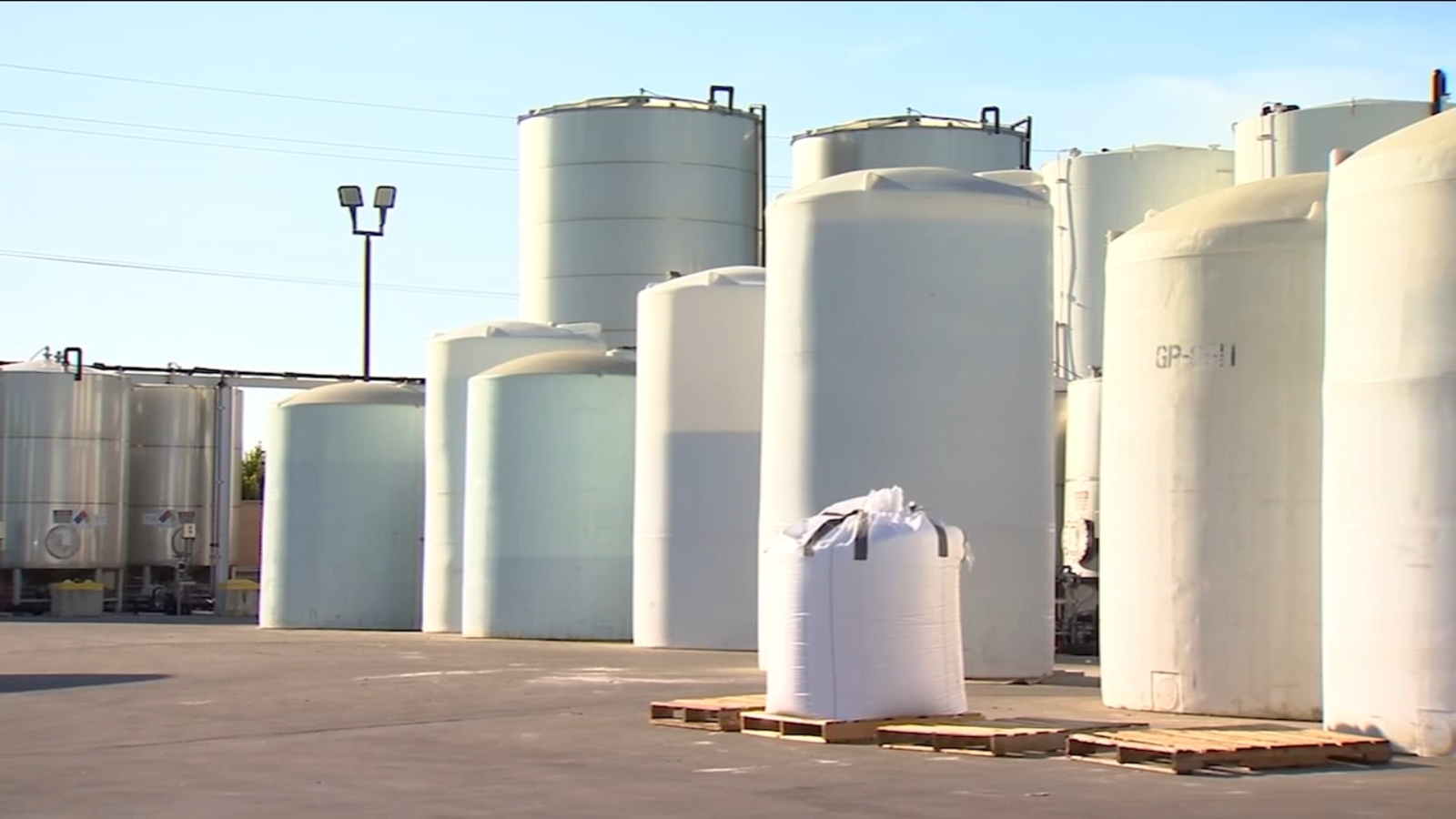
At GAR’s Reedley facility, large tanks store nitrogen fertilizer before it is transported to farms throughout the region.
Rendon demonstrated how the product is loaded for delivery.
“We’re taking it from the tanks loading it up. These are 3000 gallon tanker trunks,” he said.
Those trucks then head out to fields like a tangerine orchard in Reedley, where tanks arrive filled with fertilizer needed for crop production.
There are few domestic suppliers of fertilizer, and much of the product used by U.S. farmers relies on shipments from the Middle East.
The American Farm Bureau Federation has warned that without deliveries of critical inputs such as urea, nitrogen and phosphate, the United States could face crop shortfalls.
“Every farm needs it. I would say that they need it just as much as water. It’s water first and then nutrition second,” Rendon said.
The fertilizer industry has faced mounting pressure for years due to rising natural gas and labor costs.
The current conflict adds another layer of uncertainty, with concerns that prolonged disruptions could threaten food security, strain the economy and lead to higher prices at the grocery store.
For now, distributors like GAR are continuing operations while preparing for the possibility that global supply challenges could worsen in the months ahead.
For news and weather updates, follow Brisa Colón on Facebook, Twitter and Instagram.
Copyright © 2026 KFSN-TV. All Rights Reserved.