
The prime minister has excluded disabled people from a new forum he has set up to “bring civil society into the heart of government decision‑making”, evidence suggests.
Downing Street released the names this week of 13 representatives from charities, community organisations and social enterprises who have been appointed to Sir Keir Starmer’s new Civil Society Council.
The 13 members represent organisations such as Citizens Advice, the Church Urban Fund, Lloyds Bank Foundation, The Children’s Society, Macmillan Cancer Support, and the National Council for Voluntary Organisations.
Members include women, people of colour, people of faith and members of the LGBTQ+ community, and were appointed from nearly 600 applications for the roles.
But not one of the council’s members appears to be a disabled person – none of the 13 members seem to have self-identified publicly – and no disabled people’s organisations (DPOs) are represented on the council.
The government failed to deny the lack of representation yesterday (Wednesday).
It is the government’s latest failure to treat disabled people and disability as a priority since Labour came to power in July 2024, following similar treatment under 14 years of Conservative-led governments.
Labour has slashed targets for accessible housing; announced reforms of special educational needs and disabilities that will leave more children in segregated settings; introduced widespread cuts to the Access to Work disability employment scheme; and hid scores of Department for Work and Pensions failings from MPs as they prepared to vote on cuts to disability benefits last summer.
It has also delayed long-term reform of the adult social care system in England; introduced changes to the Warm Home Discount Scheme that will discriminate against disabled people with high energy needs; and delayed producing its own national disability strategy.
The Civil Society Council, which will be supported by a dedicated No10 team, will oversee the implementation of the government’s Civil Society Covenant.
When DPOs responded in December 2024 to a consultation on the covenant, they made a plea to the government to listen to their “authentic” voices rather than disability charities that are not led by disabled people.
And they called for the Civil Society Covenant to provide a “strengthened mandate” on policy consultation and decision-making for those organisations that are led by members of the communities they represent, including DPOs.
The government said this week that the Civil Society Council would help to mark “a renewed commitment to working with charities, social enterprises and community groups as core partners in tackling the country’s most complex social challenges”.
And it said it would provide a “central forum to address issues that cut across government” and “identify opportunities for civil society to play a greater role in the design and delivery of policies and services”.
No10 had failed by noon today to explain the omission of disabled people and DPOs from the Civil Society Council, and to confirm that there had been applications from disabled people.
But it claimed that the government continued to engage closely with disabled people and their organisations, and pointed to its work with its own British Sign Language Advisory Board, its regional stakeholder network, the Disability Charities Consortium, DPO Forum England and the government’s disability and access ambassadors.
It also said it was still planning to produce a Plan for Disability which would set out its longer-term plans on disability, while it was working on a replacement for the Access to Elected Office Fund and aimed to introduce disability pay gap reporting for large employers.
A government spokesperson said: “Government continues to engage closely with disabled people and their organisations, with departments across government engaging their own networks specific to their policy areas, ensuring disabled people’s views and voices are at the heart of everything we do.”
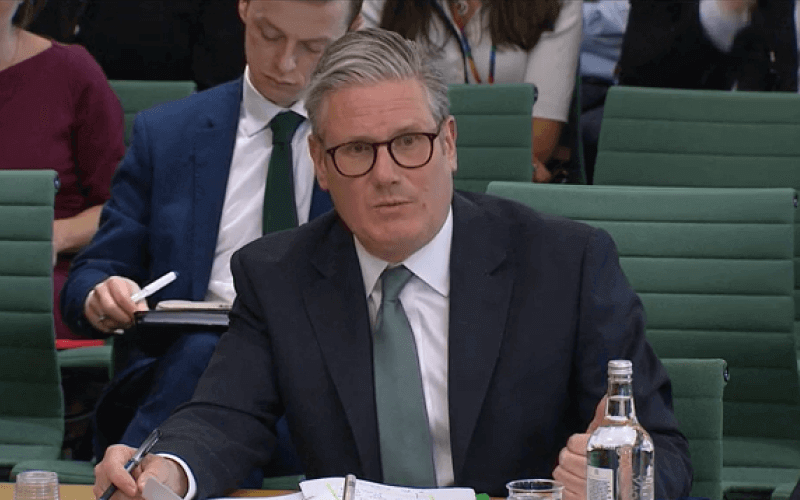
Picture: The prime minister, Sir Keir Starmer