
Gulls managed to interrupt the BBC’s interview with the Bank of England’s chief cashier, Victoria Cleland, whose signature appears on its banknotes.
Whether or not they were lobbying for inclusion, Cleland did acknowledge that feathers could be ruffled by the Bank’s decision.
“People will have views on whatever goes on banknotes,” she said. “That’s why we think it is really important to consult with the public.”
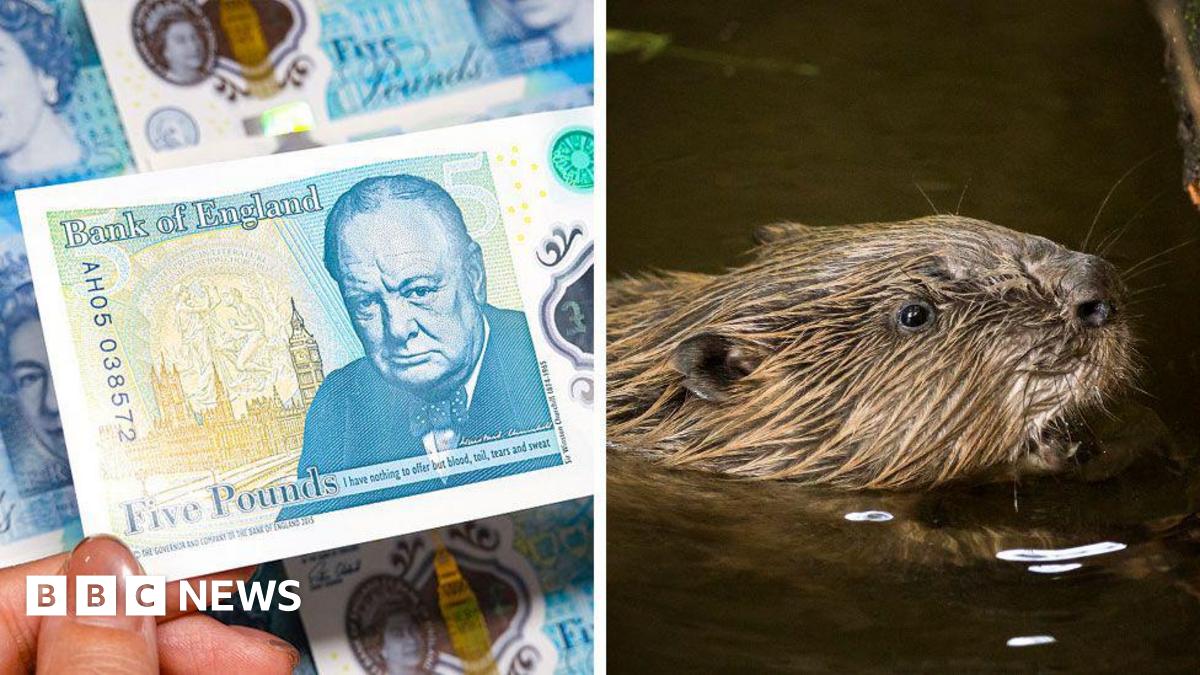
Nature was the most popular theme in the 44,000 responses to a public consultation and focus groups on banknote imagery.
Some 60% of respondents selected it as one of their preferred themes, ahead of architecture and landmarks (56%); historical figures (38%); arts, culture and sport (30%); innovation (23%); and noteworthy milestones (19%), the Bank said.
Following the backlash from political party leaders, the Bank said it was proud that historical figures had been on its notes for more than 50 years. However, nature including wildlife was the most popular choice of respondents.
“Importantly, wildlife imagery as a theme provides many unique opportunities to explore the latest anti-counterfeiting and security features, for example moving elements such as a bird flapping its wings or a deer running,” a spokesman told the BBC.
Wildlife already appears on banknotes in the UK, with mackerel, otters, red squirrels and osprey featuring on notes issued by the Royal Bank of Scotland, external.