
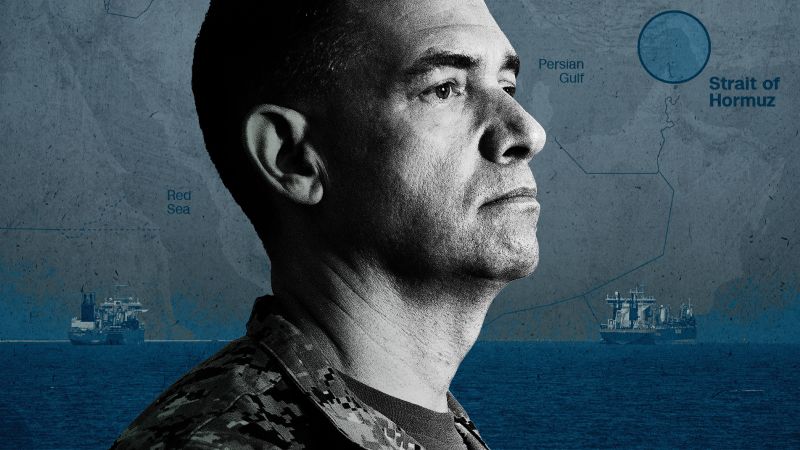
In the summer of 2024, the threat to maritime shipping in the Red Sea was at its peak.
Houthi rebels in Yemen were firing on international vessels, forcing marine traffic to avoid one of the world’s most critical waterways and to sail thousands of miles around Africa instead. By August, they sank two ships and killed several crew members, as US and UK strikes failed to deter them.
Vice Adm. Brad Cooper, then the No. 2 at US Central Command, needed to see the problem for himself.
Cooper, who was in charge of coming up with a plan to combat the Houthis, knew the waters well as former commander of the Navy’s Fifth Fleet based in Bahrain, said Dan Shapiro, who worked at the Defense Department on Middle East Affairs. Experiencing the problem firsthand meant that Cooper would be placing himself under the command of officers far junior to himself.
“Rather than just take in the reports of the commanders of those vessels, he went out and sailed with them. He put himself in harm’s way,” Shapiro told CNN. “It says something about his understanding of the connection between the real-time details on the ground and the strategy.”
Two years later, Cooper, now an admiral, is in charge of Central Command, or CENTCOM, which is leading the joint US-Israeli war effort against Iran. The day before Donald Trump gave the order to launch the operation on February 28, Cooper briefed the president at the White House on military options.
But as the war expands across the region, with Iran attacking US assets, Gulf neighbors and commercial vessels, the endgame has become less and less clear. And the stakes have risen considerably.
Like generals Norman Schwarzkopf and David Petraeus, CENTCOM commanders who oversaw previous US war efforts in the Middle East, Cooper is under immense pressure to deliver a decisive battlefield victory. But he’s also been asked to execute a war plan against Iran that has existed inside the Pentagon in some shape or form for years. Past presidents ultimately chose not to carry out those plans — in part because of the repercussions now unfolding.
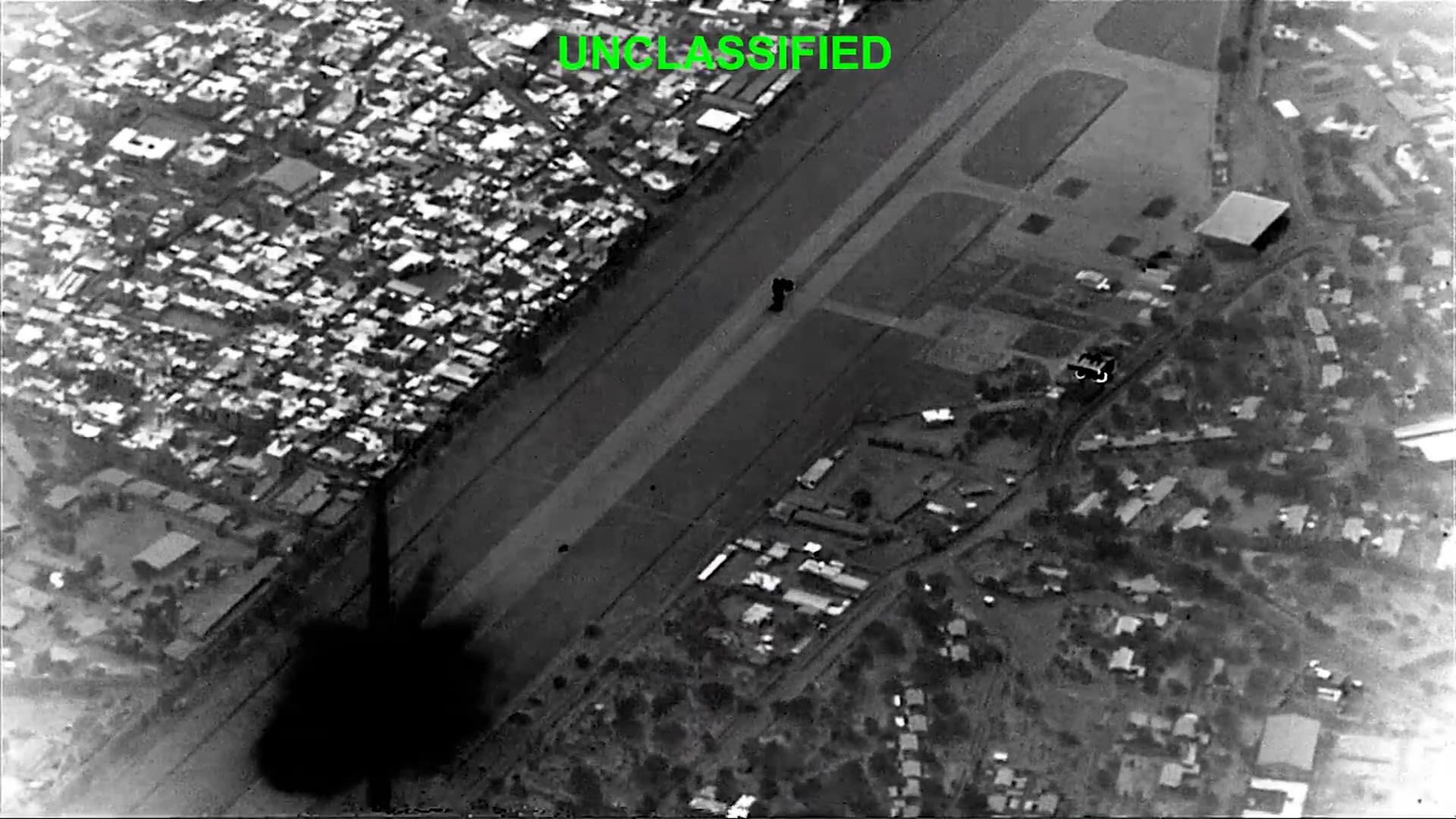
US CENTCOM released video it says shows strikes on Kharg Island

US CENTCOM released video it says shows strikes on Kharg Island
1:00
Markets are roiled by the closure of the Strait of Hormuz, the world’s most vital energy shipping lane. Thirteen American service members have been killed, with another 140 wounded. And bipartisan lawmakers are pressing for answers on what led the US to strike an Iranian girls’ school that killed 168 children.
It’s now up to Cooper to keep the military campaign on track until a political decision is made to end it — however long that may take.
Sources who have worked closely with Cooper say he is particularly well-equipped for this moment — not just due to his battlefield acumen but also because of his political instincts, having learned to navigate both the contested waters of the Middle East and the corridors of power in Washington. A spokesperson for CENTCOM said Cooper was not available to be interviewed for this story.
But interviews with current and former military officers, defense officials, lawmakers and congressional aides reveal that over a naval career spanning more than three decades, Cooper has proved effective both in his interactions with lawmakers in Congress who oversaw his budgets as well as with his allied counterparts in the Middle East.
That was especially true of the Israel Defense Forces now jointly conducting military operations with the US against Iran.
“After five years in the region, I don’t believe there was a general in Israel who did not know him,” a current Israeli military official told CNN of Cooper’s tenure leading the Navy’s Fifth Fleet. Cooper visited Israel so many times that he came to know many Israeli colonels by name, too, the official said.
Cooper has spoken almost daily — and sometimes multiple times a day — with the Israeli military chief, Lt. Gen. Eyal Zamir, the Israeli official said.
In a rarity for a military officer, Cooper also joined Trump’s son-in-law Jared Kushner and US envoy Steve Witkoff last month for indirect diplomatic talks with Iran in Oman. Kushner and Witkoff visited the USS Abraham Lincoln aircraft carrier the following day at Cooper’s invitation.
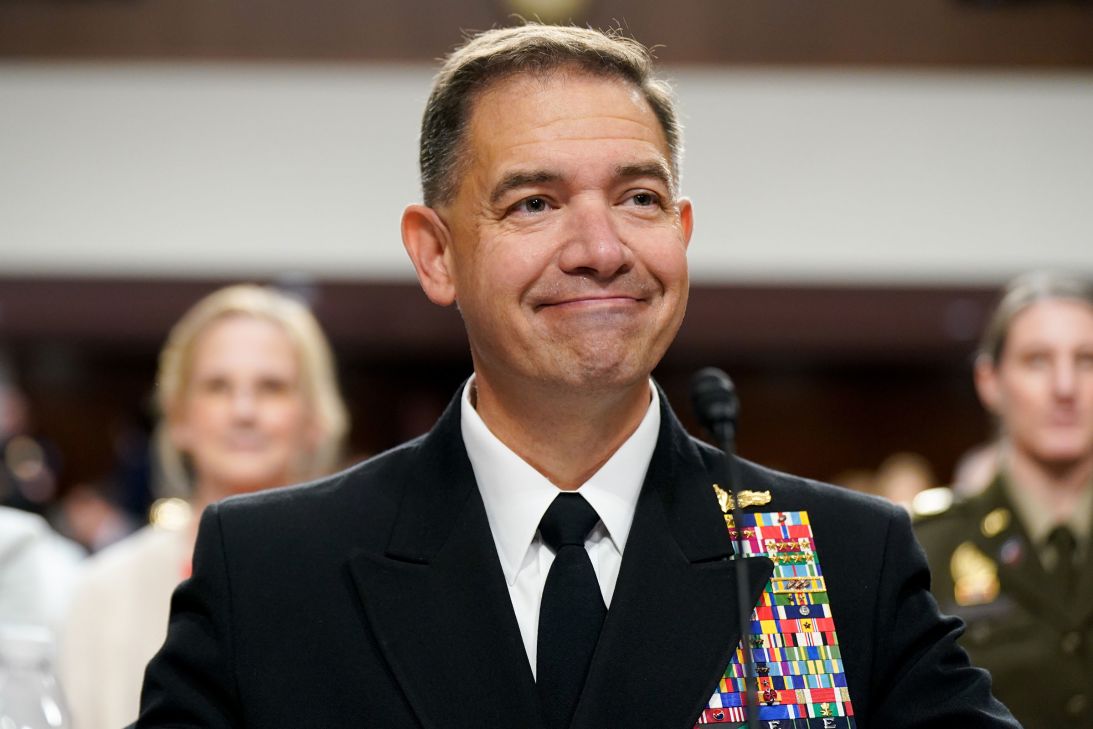
Since taking over in August 2025, two months after US strikes on Iran’s nuclear facilities, Cooper is just the second Navy admiral to lead CENTCOM.
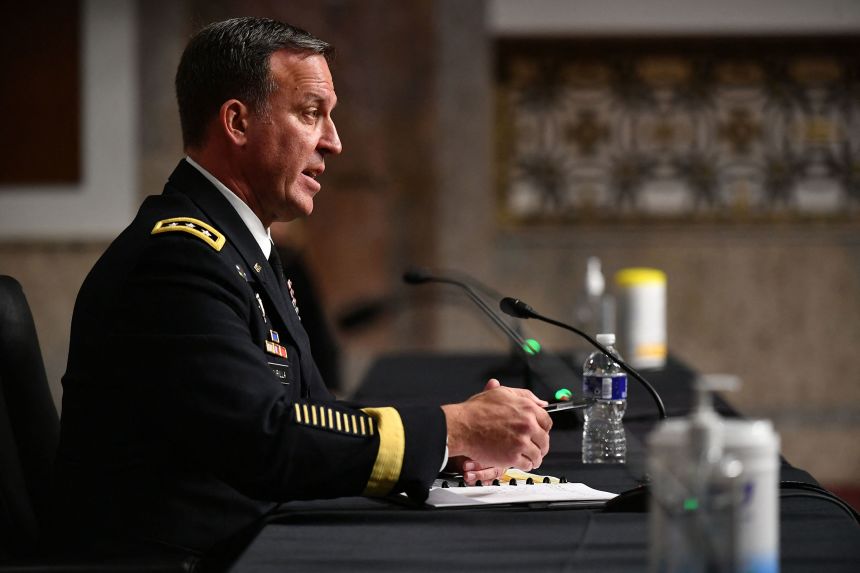
Officials say he is a contrast to his predecessor, retired Army Gen. Michael “Erik” Kurilla, who had a big and at-times brash personality but largely preferred to stay behind the scenes, while Cooper is more comfortable in the spotlight.
Kurilla, whose military career included commanding special operations forces, holds a nearly mythological status in parts of the Army due to his time in combat, including a deployment to Iraq when he was shot multiple times but continued fighting. An imposing figure and personality, “nobody wondered who was in charge” when Kurilla was in a room, a former defense official told CNN.
Kurilla was a “brilliant operator,” the official added. But Cooper — smaller in stature and more soft-spoken, with a career largely spent serving aboard US Navy ships — seems to have eased into the more political aspects of his job faster than Kurilla ever did, the official said.
“He’s a politician, he shakes hands, seems genuinely interested in whatever you’re talking about, remember’s people’s names — he’s got the four-star piece figured out way better than Kurilla,” the former official said.
Under Cooper, CENTCOM’s messaging has become in some ways more political, with more references to Trump in press releases and videos, the former official said. His language also appears at times to echo that of Defense Secretary Pete Hegseth: In a message to service members as operations against Iran began, Cooper told troops to be “relentlessly lethal,” a term frequently used by Hegseth and his team in the Pentagon.
“He’s a people pleaser. You can see it when he testifies — he has this kind of Alabama ‘aw shucks’ demeanor,” the former defense official told CNN.
After the October 7 Hamas attacks on Israel in 2023, Kurilla and Cooper worked closely together as the war in Gaza unfolded.
“Erik and Brad were a tremendous team during perhaps one of the most challenging periods the Middle East had ever seen,” said Brett McGurk, former White House coordinator for the Middle East and North Africa, who worked extensively with Cooper during the Biden administration.
“History has not yet recorded the true story of what we confronted during this period, with Iran opening fronts across the Middle East, attacking American personnel in Iraq, Syria, Jordan and American ships in the Red Sea,” said McGurk, now a CNN global affairs analyst.
In a statement to CNN, Hegseth said Cooper “has my full and complete confidence” and that Cooper’s “deep understanding of the region and focus on the fight is critical to the mission and continued success of our warfighters supporting Operation Epic Fury today.”
Hegseth said the current operation would not have been possible without the “total success” of last summer’s strikes on Iran’s nuclear facilities, overseen by Kurilla. “Under both commanders, CENTCOM has strengthened coordination with key regional partners, while keeping our forces focused on defeating threats and protecting American interests,” Hegseth said.
As Kurilla prepared to retire, the former defense official said he lobbied for Cooper to get the job, telling Trump directly that Cooper should take over as the next CENTCOM commander despite other names being floated. And Trump, who respected Kurilla, took his recommendation to heart, the former official added.
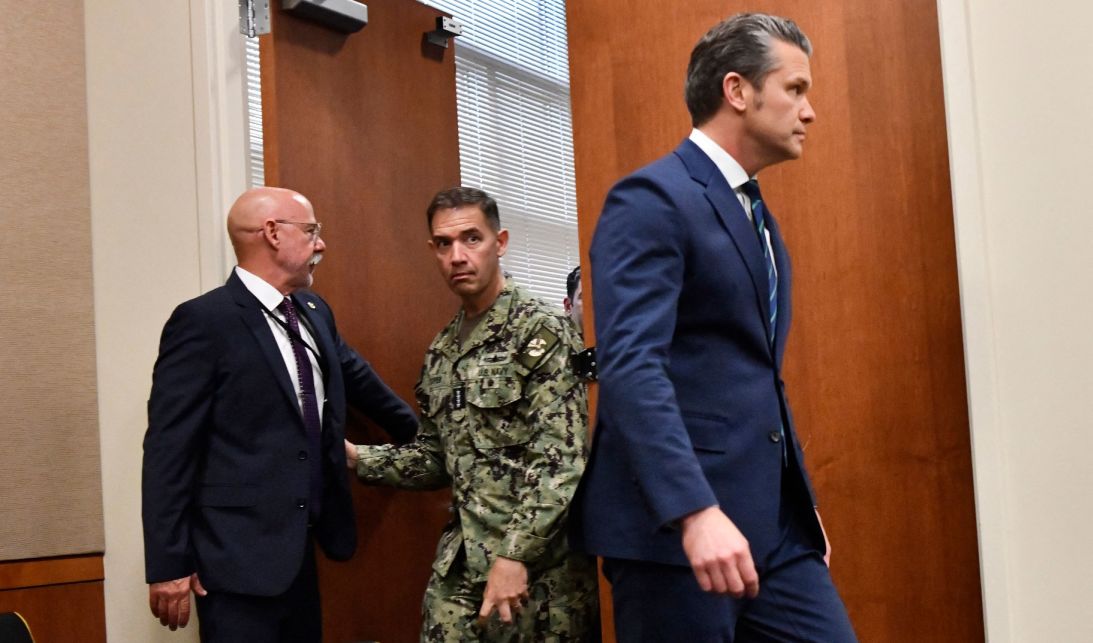
The son of a career Army officer, Cooper graduated from the US Naval Academy in 1989. He studied international relations at Harvard and Tufts and received a master’s degree in strategic intelligence from the National Intelligence University.
Cooper’s career includes stints leading commands based in Japan, South Korea and Bahrain, where he held several commands before leading the Navy’s Fifth Fleet.
In Washington, he served as an executive and military assistant at the White House, the Office of the Secretary of Defense and was head of the Navy’s legislative affairs office.
As a military assistant in the White House under Barack Obama, Cooper was in charge of an initiative championed by then-first lady Michelle Obama to secure jobs and education for veterans as the president wound down US troop presence in Iraq.
The Navy legislative affairs job put Cooper in touch with congressional committees that now oversee the US war in Iran — and any supplemental spending requests to fund it. It’s a job that is helpful for senior commanders to learn to navigate the “political” waters of Washington, said retired Rep. Mac Thornberry, a Texas Republican who chaired the House Armed Services Committee.
“Any of our combatant commanders are going to make decisions that will receive a lot of scrutiny. The Leg (Affairs) job helps sensitize them to some of those factors,” Thornberry said. “Plus, obviously, it helps them see firsthand where their funding comes from.”
Cooper began meeting more lawmakers when he took over the Fifth Fleet. A House Democrat active on military issues praised Cooper as “smart and thoughtful,” pointing to an innovative task force he led using drones in the Strait of Hormuz.
“He’s known as a straight shooter,” a Democratic congressional aide told CNN. “I think generally folks on the Hill enjoy him as a person, but in our experience he’s also a professional, very forthcoming.”
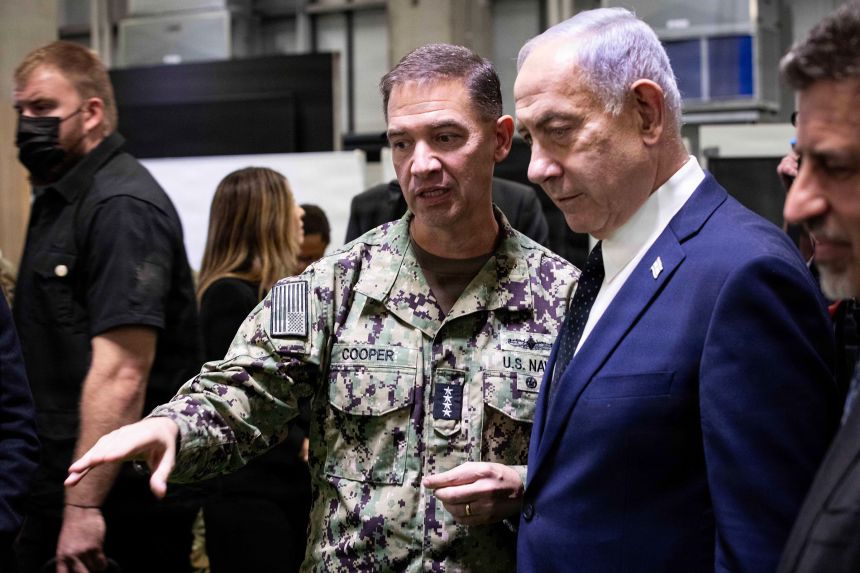
For years, Cooper has had a deep connection to Israel — one that comes “from his heart,” according to a former senior Israeli military official who has worked closely with him.
That relationship dates to Cooper’s time as the commander of the Fifth Fleet.
“There was unprecedented cooperation with the Israeli navy,” the former Israeli military official said. “One of the main decisions made at the time was to place an American liaison officer in the Israeli navy and an Israeli liaison officer at the naval base in Manama, which shows the extent of the partnership.”
The former official said Cooper organized meetings between the navies in the region and connected the naval commanders to create a “regional maritime watch against terrorism.”
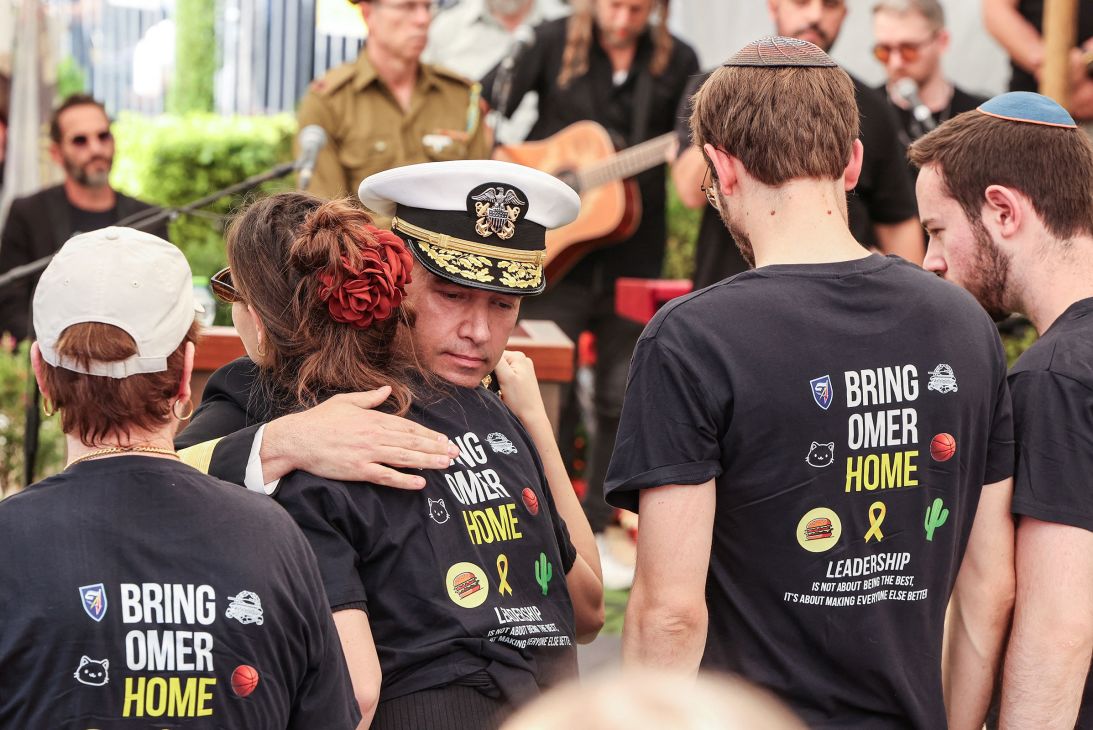
Cooper’s relationship with Israel goes beyond the professional. In November, he spoke at the funeral of Israeli American hostage Omer Neutra, whose remains were released by Hamas after two years of war in Gaza. “Omer made the ultimate sacrifice we hope no soldier ever has to make, but many have made it nonetheless, in service to a higher cause,” Cooper said.
After Iran first launched ballistic missiles and drones at Israel in April 2024, Kurilla raced around the Middle East, setting up a regional missile defense network between countries that didn’t all have diplomatic relations with Israel.
When Cooper was promoted to the head of CENTCOM last August, he picked up where Kurilla left off, officials told CNN, deepening the relationships his predecessor had seeded.
He conducted his own debriefing of the US and Israeli operations against Iran last June, the Israeli military official said, as he remained in touch with his predecessor. The official said the two countries began to figure out how to “collaborate and coordinate” in the event of another round, sharing lessons learned and exploring regional scenarios.
The discussions set the stage for last month’s joint US-Israeli attack on Iran.
“It helps that you have the same spirit and nothing changes in a dramatic fashion,” an Israeli military official said, “and that the commander continues in the path of the previous commander.