
You can check and update your driving licence details with the DVLA online.
(Jonathan Brady – PA Images via Getty Images)
Young drivers are the most likely to have out of date personal details on their driving licence, a new survey suggests, putting them at risk of a £1,000 fine.
Among motorists aged 18-27, 8% said the address on their driving licence was not up to date, according to a poll commissioned by Direct Line motor insurance.
The same percentage admitted to having an out-of-date licence, while 4% said their title – such as Mr, Mrs, Ms – was wrong.
Direct Line said there is a “significant gap in compliance and awareness” among younger drivers compared with older ones, with drivers aged 60 and older the most likely to have their details up to date.
On average, drivers with outdated information on their licence said that has been the case for about two years.
Matt Pernet, head of motor insurance at Direct Line, said: “Motorists are legally required to inform the DVLA of any change of name, address or of any medical condition that could affect their ability to drive safely.
“However, our research shows that millions of drivers could have out-of-date information, meaning they would be breaking the terms of their licence.
Here, Yahoo News explains what details you need to keep up to date, how to check and update them and the potential consequences you could face from police and insurers if you are caught out.
What details are drivers legally required to update with the DVLA?
You are legally required to tell the DVLA if you have undergone any of the following changes:
Changed your name or gender
Made alterations to your vehicle
Have or have developed a medical condition
In addition to updating the DVLA with any changes to personal details, photocard driving licences must be renewed every 10 years with an updated photo of the driver.
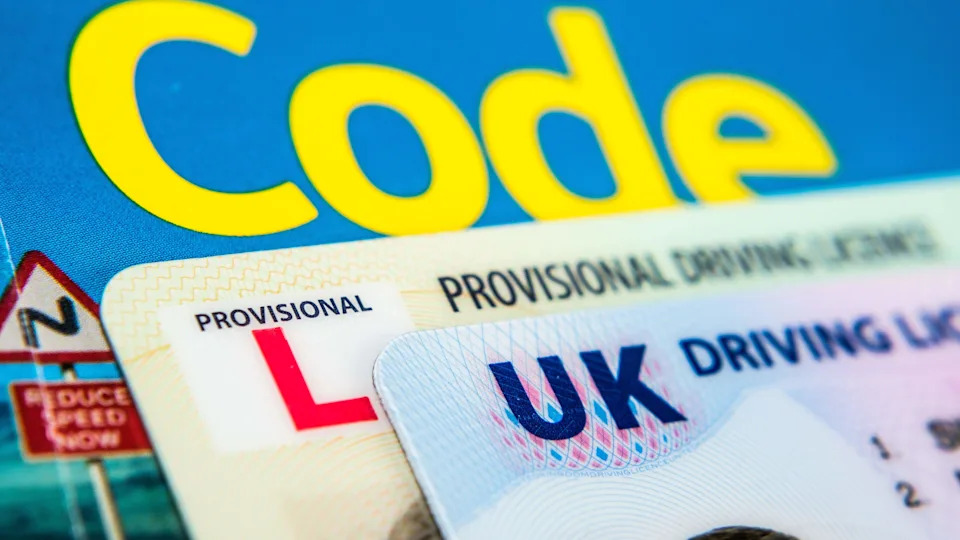
The same rules generally apply to both provisional (learner) and regular driving licences.
(mundissima)
A survey by Confused.com from last year suggested that out of the 6% of drivers who were driving with an expired licence or renewed theirs after its expiry date, two thirds hadn’t realised.
Many put off making necessary changes too, with 20% of those surveyed waiting more than a month after moving house to update their details, 3% of whom still hadn’t changed it at the time of the survey.
How to check your licence details online
You can view your driving licence information here online.
You will need to enter your driving licence number, your National Insurance number and the postcode on your driving licence.
If you need to share your driving licence with someone else, you can also use the tool above to create a licence “check code”, valid for 21 days, to share your record with someone, such as a car hire company.
How to change your details
If you have changed address you can update this detail on your driving licence here online. It does not cost anything to make this change and you can still drive while you’re waiting for your new licence.
You will need to give the addresses of everywhere you have lived in the last three years, and to not be banned from driving.
In addition to your driving licence number, you should provide your National Insurance number and passport number if you know them, the DVLA says.
If you want to change your photo, you can apply online here for a fee of £14. For a £17 fee you can apply via post by requesting a ‘D1 pack’ of forms from a Post Office that deals with DVLA photocard renewal.
You can still drive while you’re waiting for your new licence.
(Peter Dazeley via Getty Images)
You should include with your completed forms: a recent printed passport-type photo, the photocard and paper counterpart of your current licence if available, a cheque or postal order for £17, payable to DVLA.
Post your application to: DVLA, Swansea, SA99 1DH.
If you have changed your name or gender, you’ll have to send off your old driving licence in the post along with the right application form, which you can find at most Post Offices.
You’ll also need to include any original documents that confirm your new name or gender (do not send photocopies or laminated versions).
Any certificates must be dated and signed. You must send a recent printed passport-type photo. There is no fee to change your name or gender on your licence.
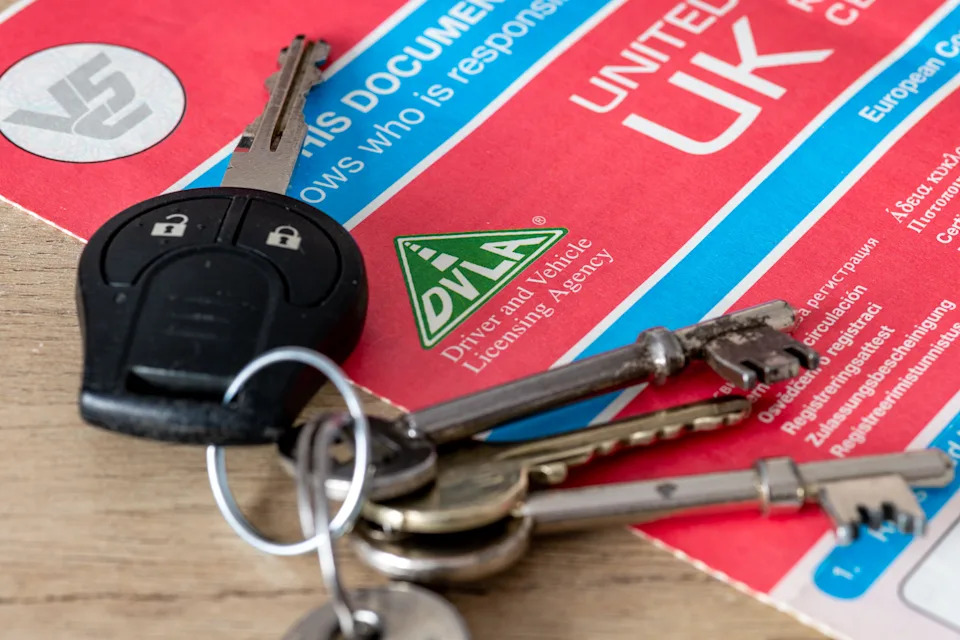
You will also have to update your V5C vehicle log book if you want to change your name or gender.
(Yau Ming Low)
The process is the same if you have changed your title, such as from Miss to Mrs, but proof is only required for hereditary titles.
You will also need to update your name or gender on your vehicle log book (V5C), which you can find out more about here.
There are no fees if you’re over 70 or have a medical short period licence. You can find details on registering vehicle modifications here. The process to change details is different in Northern Ireland.
What happens if police stop you with incorrect details?
Anyone found with out of date or incorrect details on a licence in the UK faces being handed up to six penalty points, insurance being invalidated and a fine of up to £1,000.
While police are more concerned with driving offences than administrative errors, they could decide to flag your incorrect licence details to the DVLA.
From there, the DVLA could decide to issue you with a fine or penalty points.
Do insurers actually check licence information?
Yes, they do.
Companies primarily access these details via the Motor Insurers’ Bureau’s MyLicence service, which provides firms with instant access to driving history information via DVLA data.
Insurance provider LV says that if you were to give the company your driving licence number, for example to request a quote, the company can pass it to the My Licence service.
“Authorised insurance providers or nominated third parties can use MyLicence to confirm GB driving licence holders’ entitlements, endorsements and penalty points,” LV adds.