
Maariv, Israel, May 25
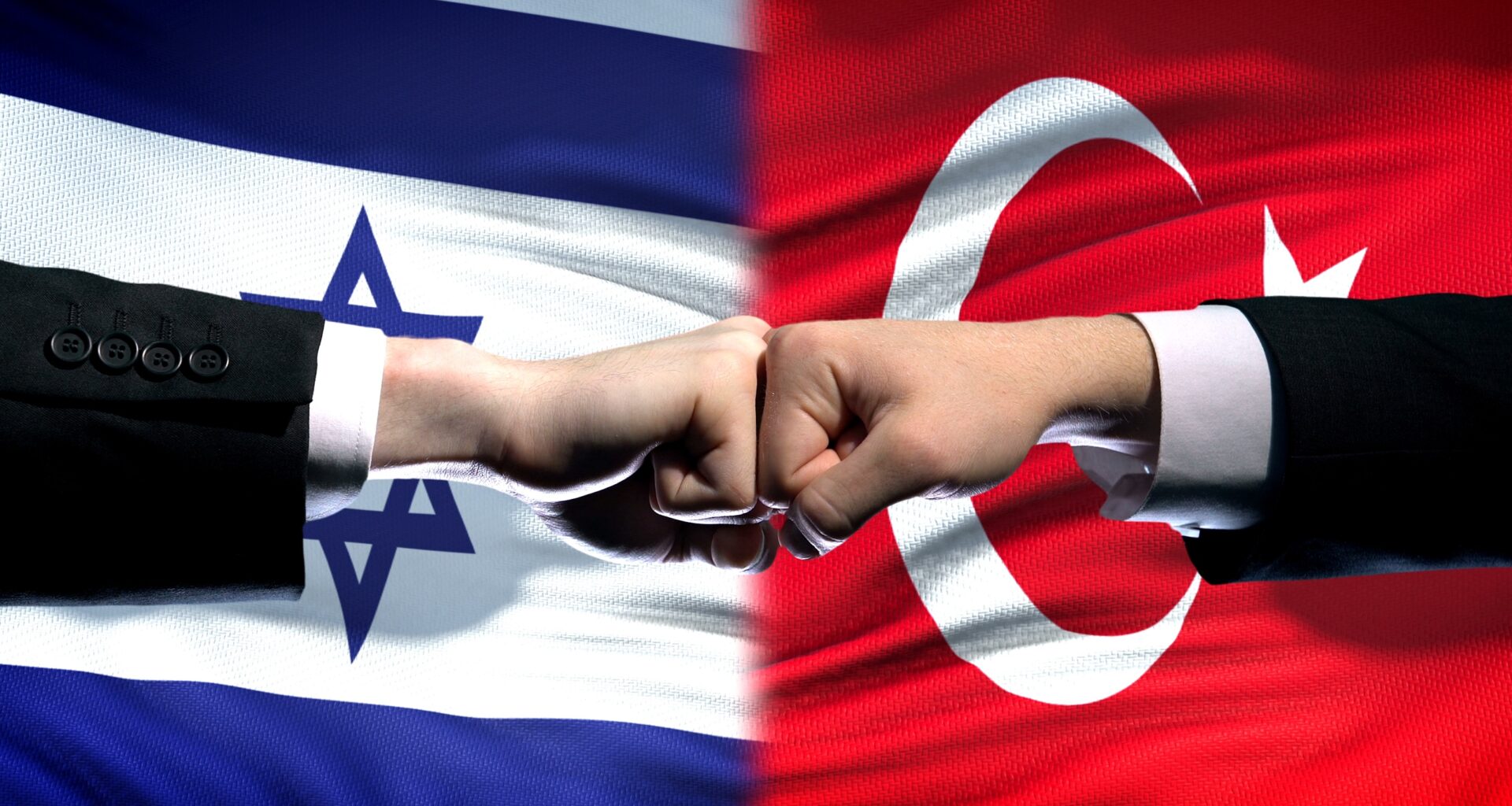
The Israeli-Turkish relationship has experienced numerous fluctuations over the years. Since October 7, Turkey has significantly escalated its stance toward Israel, moving beyond sharp rhetoric to actions that directly impact economic ties. Meanwhile, developments in Syria have introduced another layer of complexity to the bilateral relationship.
The rapid collapse of the Assad regime, due in part to Israeli operations in Lebanon and Syria, brought to power in Damascus a new actor closely aligned with Ankara. Turkey views this as a strategic opening to shape a distinctive relationship with Syria, driven largely by its core interests in managing the Kurdish presence both within Syria and across its borders.
Assad’s fall has also ushered in a new dynamic for Israel. On one hand, it has meant the weakening and near-total withdrawal of Iran from Syrian territory—an outcome that serves Israeli interests. On the other, it has led to the emergence of a leadership with an overtly jihadi orientation.
Since the outbreak of the Syrian civil war in 2011, Israel has tended to disregard both factors, at times supporting the ousting of Assad or settling for the so-called familiar devil, eventually defaulting to a preference for Syria remaining a fragmented, failed state. Israel now faces a critical decision: Continue to support a fragmented Syria with no centralized authority, or cautiously recognize and engage with the new regime, despite legitimate concerns over its ideological framework.
However, events have unfolded too quickly for Israel to meaningfully shape the outcome. Key regional actors have already moved to accept the new Syrian government as preferable to the old. Turkey has led this shift, but the Gulf states—particularly Saudi Arabia—have also extended recognition to the emerging regime. In line with this trend, President Trump, true to form, announced a sweeping removal of American sanctions on Syria. Once again, Israel finds itself confronting a dramatically altered regional landscape in which it played little or no role—and worse still, it failed to capitalize on a strategic window of opportunity in the north.
While it is unlikely that Israel will be able to restore its relationship with Turkey before the war in Gaza concludes—and perhaps it need not prioritize doing so at this time—the Syrian front demands careful collaboration. Both nations must now invest in identifying shared interests and forging understandings that avoid undermining each other’s strategic goals, while aligning with the apparent willingness of the international community to support the establishment of a functioning central government in Damascus, even one with sharia-based elements.
Diplomatic contacts between Israel and Turkey are already taking place, reportedly under US encouragement and with Azerbaijan serving as an intermediary. Still, Israel must adopt a refreshed strategic outlook grounded in several key insights: Iran’s withdrawal from Syria is a significant gain for Israeli security; the long-standing preference for a “weak and divided Syria” is increasingly at odds with both regional and international consensus and requires reassessment; Israel’s assumption of a broad military operating space in Syria must be reconsidered and more tightly controlled; and while apprehensions about growing Turkish influence are valid, they may be overstated.
A Syria aligned with Turkey poses far less of a threat to Israel than a Syria dominated by Iran ever did. Accordingly, Israel should seek to reach pragmatic understandings with Ankara regarding the Syrian file—understandings that serve both countries’ interests. Doing so could lay the groundwork for a broader restoration of Israeli-Turkish ties.
Michael Harari (translated by Asaf Zilberfarb)