
Your support helps us to tell the story
From reproductive rights to climate change to Big Tech, The Independent is on the ground when the story is developing. Whether it’s investigating the financials of Elon Musk’s pro-Trump PAC or producing our latest documentary, ‘The A Word’, which shines a light on the American women fighting for reproductive rights, we know how important it is to parse out the facts from the messaging.
At such a critical moment in US history, we need reporters on the ground. Your donation allows us to keep sending journalists to speak to both sides of the story.
The Independent is trusted by Americans across the entire political spectrum. And unlike many other quality news outlets, we choose not to lock Americans out of our reporting and analysis with paywalls. We believe quality journalism should be available to everyone, paid for by those who can afford it.
Your support makes all the difference.Read more
Donald Trump ranted to reporters that he had the right to do “anything” he wanted with Cuba, claiming that the island nation is a failed state and promising that the country was next on his list of adversaries to confront after Iran.
His comments came as senior figures in his administration have repeatedly stressed that the war with Iran will end in the coming days, while refusing to outline the president’s specific goals and skirting around the issue of using America’s military as the world’s police force.
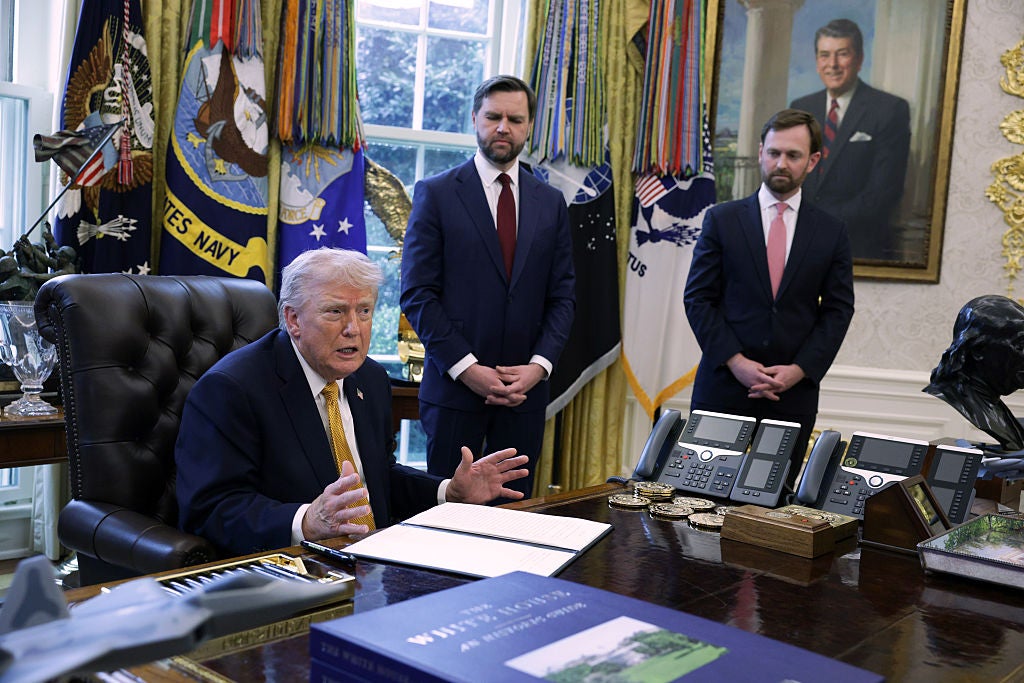
The president was participating in an executive order signing ceremony on Monday when he was asked about Cuba by a reporter. Trump responded that he could “take” the entire island, and added that he would likely have the “honor” of doing so in some form.
“I do believe I’ll be the honor of – have the honor of taking Cuba. That would be good. That’s a big honor,” said the president.
“Taking Cuba?” asked Fox’s White House reporter, Peter Doocy.
“Taking Cuba. In some form, yeah,” the president confirmed. “Taking Cuba.”
“I mean, whether I free it, or take it… I think I can do anything I want with it, to tell you the truth,” Trump said.
Trump’s threats against Cuba follow a very public warning from Lindsey Graham, a GOP senator who strongly backed the president’s military campaign against Iran. The South Carolina Republican gleefully stated that the president was targeting authoritarian regimes one by one, with Cuba next on the agenda.
open image in gallery
Donald Trump is boasting that he’ll ‘have the honor of taking Cuba’ (Getty)
“Cuba’s next. They’re going to follow this communist dictatorship in Cuba. Their days are numbered,” he told Fox News earlier this month.
The military campaign against Iran has resulted in hundreds of deaths, including 13 American service members. It continued Monday into its third week, with the president once again repeating his belief that the end was in sight while refusing to lay out what it looked like.
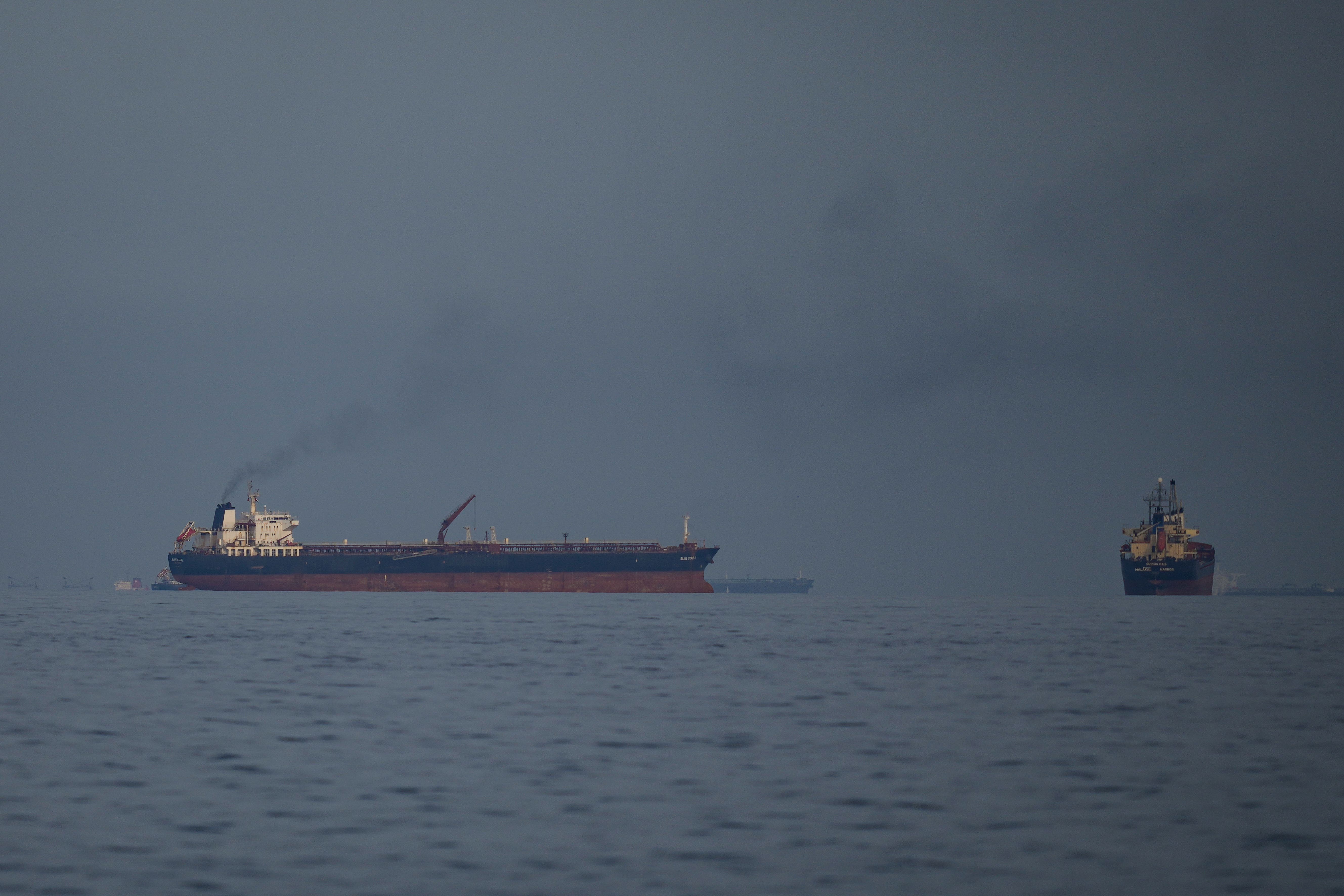
It has also surged oil prices around the world, as Iranian forces have closed off the contested Strait of Hormuz waterway with sea mines. Around 20 percent of the world’s oil tanker traffic passes through the strait every year.
Trump and his team have repeatedly refused to enunciate clear objectives for the military campaign, which was premised on removing the threats supposedly imminently posed by Iran’s ballistic weapons and nuclear program.
Weeks into the war, the U.S. hasn’t explained what it has achieved towards permanently neutralizing either of those threats, while the Trump administration has backed away from initial suggestions of instigating regime change aimed at toppling the Iranian government altogether.
open image in gallery
Tankers crossing the Strait of Hormuz, where 20 percent of the world’s oil passes through (AP)
Cuba has been under military blockade for decades, and like Iran, has suffered devastating economic effects from U.S.-led sanctions. Unlike Iran, the U.S. policy towards Cuba stems from its communist roots and alliance with the Soviet Union during the Cold War.
The 1962 Cuban Missile Crisis was considered a low point in U.S.-Cuba relations and was the closest point the two countries came to overt military hostilities.
During Barack Obama’s two terms in office, the U.S. pursued a softening of relations with the Castro government, which at the time imminently preceded the death of Fidel Castro, its first communist leader, in 2016. That policy won the Obama administration many critics in the Cuban-American exile community and was quickly reversed by Trump upon his assumption of the presidency in 2017.