
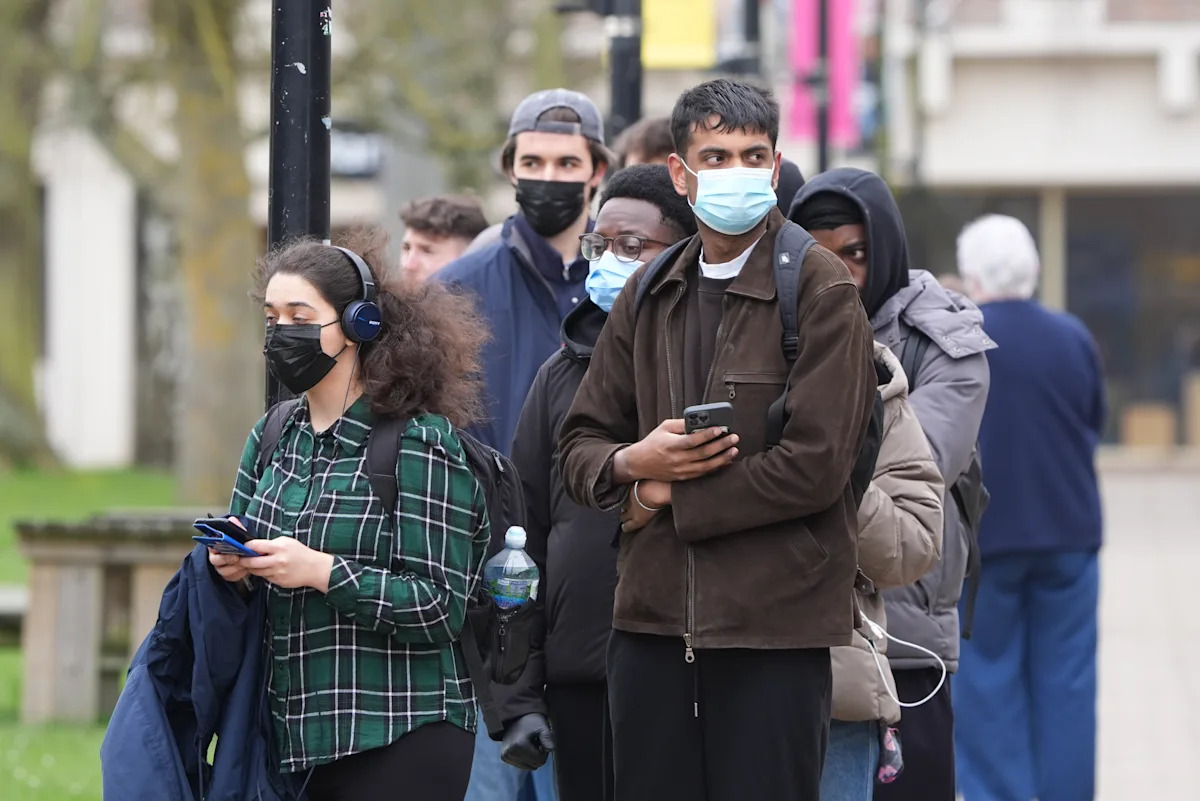
Students living in halls at the University of Kent are to be vaccinated against meningitis B, the health secretary has announced.
Wes Streeting told the House of Commons on Tuesday that an immunisation programme will be launched in the coming days at the university in Canterbury.
“From 2015, the menB vaccine has been available on the NHS as part of routine childhood immunisations, but clearly mostly students would not be vaccinated,” said Streeting.
His comments came after the UK Health Security Agency (UKHSA) said it had been notified of a total of 15 cases – up from an initial 13 – of invasive meningitis with links to Canterbury.
Every one of those infected was hospitalised and four cases so far have been confirmed as meningococcal B infections.
Most young people born before 2015 are not protected against meningitis B unless they have had the jab privately – it was introduced on the NHS for babies in 2015. The UKHSA said the jabs will be offered to some students in halls in a “small targeted vaccination programme”.
Two young people have died and 11 others have been treated following the outbreak, which appears to have spread from a nightclub in Canterbury.
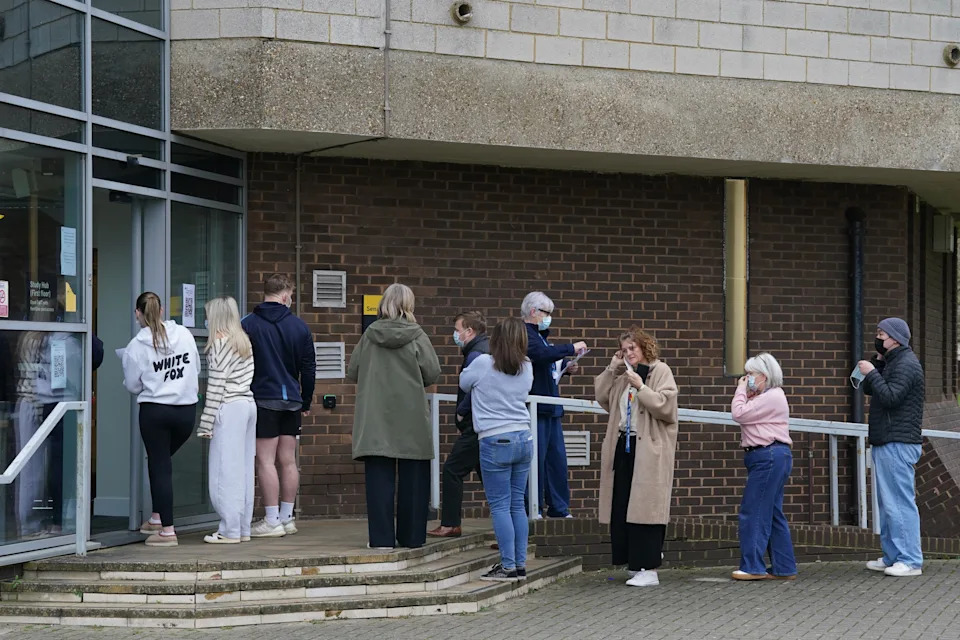
More students have been queuing for antibiotics at the University of Kent on Tuesday.
(Gareth Fuller – PA Images via Getty Images)
There will be no in-person assessments or exams for students at the university this week. The UKHSA has issued advice to 16,000 students there, with antibiotics offered to those who need them.
Dozens more people were already queuing up for antibiotics at the university on Tuesday morning.
More than 2,000 people who visited Club Chemistry nightclub over 5, 6 and 7 March are being traced and told to come forward to receive antibiotics.
A staff member at the nightclub is one of the confirmed meningitis cases, while two other workers are in hospital with suspected meningitis.

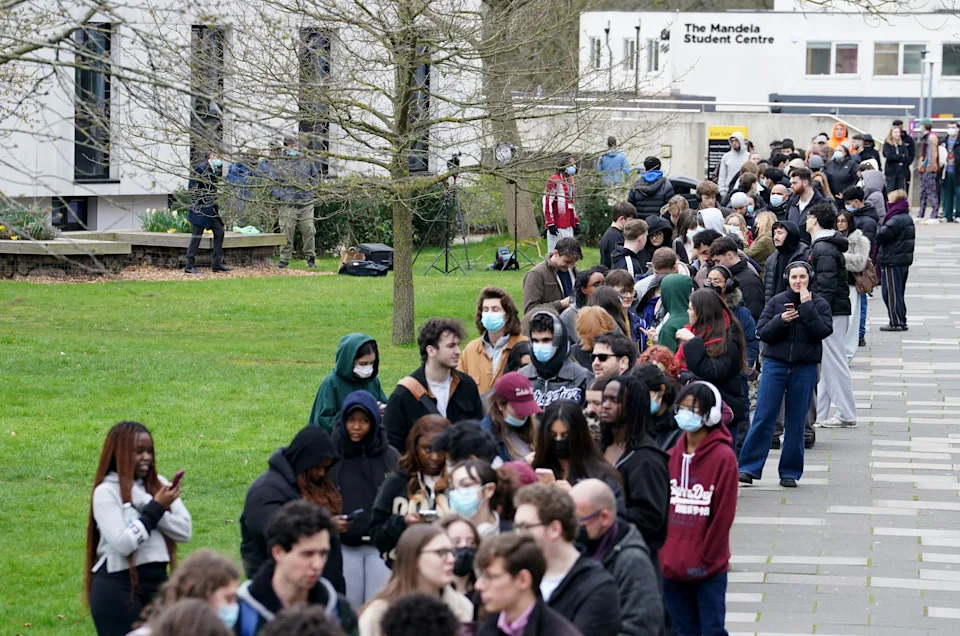
The long line of students at the University of Kent in Canterbury waiting for antibiotics.
(Gareth Fuller, PA Images)
Streeting said the spread of meningitis in Kent had been “an unprecedented outbreak”, adding that the UKHSA will update the number of cases each day at 9.30am.
He also said he has asked the Joint Committee on Vaccination and Immunisation (JCVI) to “re-examine eligibility for meningitis vaccines”.
Who are the victims?
An 18-year-old sixth form student at Queen Elizabeth’s Grammar School in Faversham, named as Juliette, has died, her school said on Monday.
Headteacher Amelia McIlroy said: “She was a genuinely caring and attentive listener, a true friend – who listened with warmth, respect and sincere interest to her peers and to our staff. In short, she was a lovely girl – her beautiful smile, her loving nature and her sense of fun will be hugely missed.”
Juliette’s father told the BBC that the family are “beyond devastated and they have no words to express their loss”.
The other young person who died has not yet been named, but was a student at the University of Kent.
How did the meningitis outbreak start?
The UKHSA said the outbreak is linked to Club Chemistry nightclub in Canterbury, with “some cases” going to the venue between 5 and 7 March.
Louise Jones-Roberts, the owner of Club Chemistry, said more than 2,000 people would have visited the venue over the three dates.
She said she believed more than one case was connected to mingling at the club and she had “been told they started showing symptoms on 10 March”.
Jones-Roberts said she had contacted about 90 out of 95 members of staff at the club and they had gone to get antibiotics. One member of staff is one of the confirmed cases and is being treated in hospital, while two others attended hospital suspecting they had it.

The Club Chemistry nightclub in Canterbury, which is linked to the meningitis outbreak.
(Gareth Fuller/PA Wire)
Jones-Roberts said the nightclub would remain closed until further notice, saying: “It is not a hard decision to close – we are talking about people’s lives.”
People who were at Club Chemistry on those dates can collect antibiotics from various locations in the region.
Streeting said the UKHSA was told about the first case on Friday 13 March, before it notified the University of Kent the following day.
On that day, French officials also alerted the UKHSA to a case in France of someone who attended the University of Kent.
On Monday, two teenage brothers in the queue for antibiotics at the University of Kent said they had been at a party hosted by a friend who is now in hospital with meningitis.
Matthew McDonagh, 16, and his brother Luca, 17, were at a party in Whitstable on Saturday with one person who has now been diagnosed with the infection.
Students queuing for antibiotics outside a building at the University of Kent in Canterbury.
(Gareth Fuller – PA Images via Getty Images)
Another young person from their friendship group was already in an induced coma after contracting meningitis, they said.
“It’s quite scary,” said Matthew. “I can’t believe it. It’s just insane. It’s completely unbelievable.”
Was there a delay in handling the outbreak?
Streeting said on Tuesday that the government will “look at the handling” of the UKHSA response to the outbreak.
Helen Whately, the MP for Faversham and Mid Kent, has questioned whether UKHSA could have told the public sooner about the meningitis outbreak.
Asked on Times Radio on Tuesday if she had concerns about a “potential delay” in communications, she said: “I do, I would like to have UKHSA come forward and explain the timeline there.
She said she heard about the outbreak on Sunday evening on Facebook, but believed the UKHSA knew about it sooner.
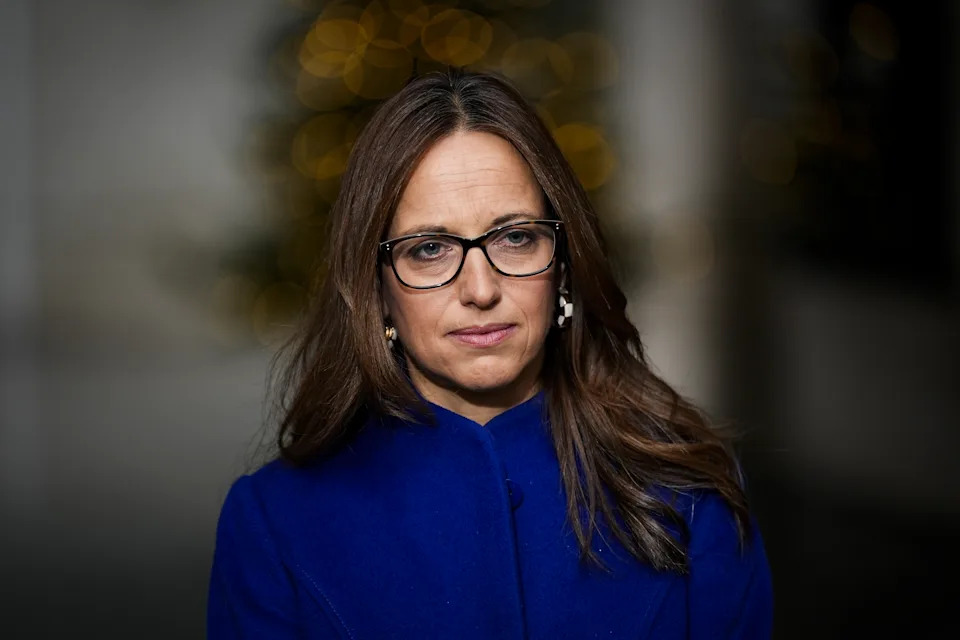
Helen Whately, the MP for Faversham and Mid Kent.
(Aaron Chown – PA Images via Getty Images)
But Dr Gayatri Amirthalingam, deputy director of the immunisation and vaccine preventable diseases division at the UKHSA, denied there had been a delay in responding to the outbreak.
She told BBC Radio 4’s Today programme that it takes time to work out the links between the individual cases, which is made harder when many of the patients were “extremely unwell in hospital.”
But she said the work was “done very rapidly over the weekend” with the links identified within 24 hours.
What are the symptoms of meningitis and can it be treated?
Meningitis is an infection of the protective membranes that surround the brain and spinal cord.
It can affect anyone but is most common in babies, young children, teenagers and young adults, the NHS says.
If not treated quickly, it can cause life-threatening sepsis and result in permanent damage to the brain or nerves.
Meningitis is normally caused by a bacterial or viral infection. Bacterial meningitis is rarer but more serious than viral meningitis.
One of the bacteria which causes meningitis is called meningococcus, which can live harmlessly in people’s throats but can cause serious illness if it gets into the blood or spinal fluid.
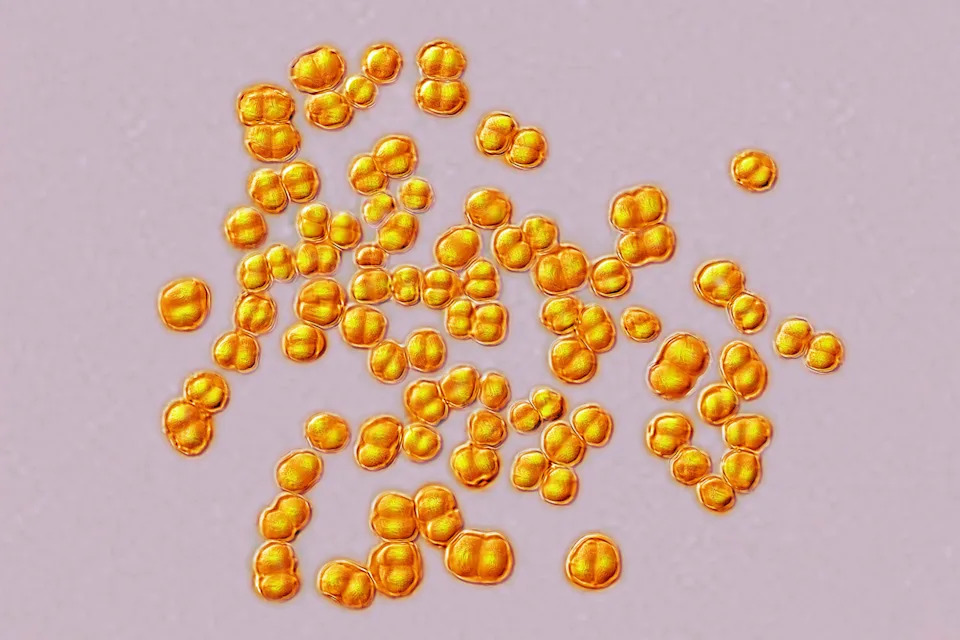
Meningococcus bacteria are involved in meningitis.
(BSIP via Getty Images)
There are different types of this bacteria and the most common is known as type B – what is often referred to as meningitis B, or MenB, and is one of the most common causes of meningitis in the UK.
Infections that cause meningitis can spread through coughing, sneezing and kissing, and are usually caught from someone who carries these viruses or bacteria in their nose or throat but is not themselves ill.
The symptoms include a fever; headaches; a rash that does not fade when a glass is rolled over it; a stiff neck; seizures; drowsiness; and a dislike of bright lights.
Those with viral meningitis will usually get better on their own, while most with bacterial meningitis need to be treated in hospital for at least a week.
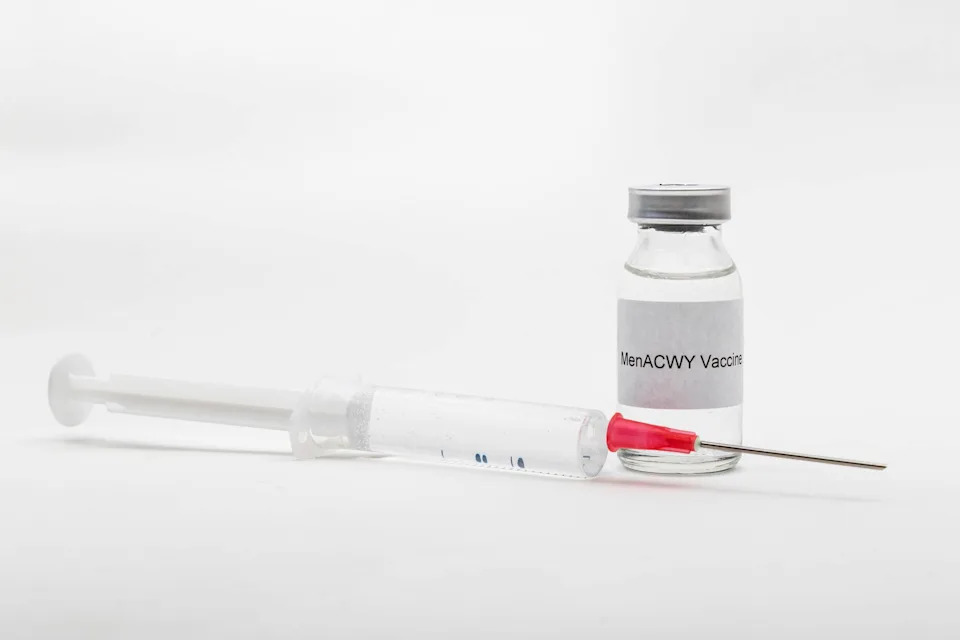
The MenACWY vaccine is offered to teenagers at school.
(Ben Gingell)
Vaccines against meningitis include the MenB, the 6-in-1, pneumococcal and MMRV vaccines for babies and children.
In addition, the MenACWY vaccination provides protection against MenA, MenC, MenW and MenY, and is routinely offered to teenagers in school Years 9 and 10 – and can be given up to the age of 25 if missed.
However, the MenACWY does not protect against all forms of meningitis. Other strains, such as MenB, can circulate in young adults.
What are the different types of meningitis?
There are two main types of meningitis – viral (caused by a virus) and bacterial (caused by a bacterium).
Viral meningitis is more common and is rarely life threatening, and can be caused by different viruses and spread through coughing or sneezing.
Bacterial meningitis is more rare but can be fatal, and may be seeped through respiratory and throat secretions, such as coughing or kissing.
Many types of bacteria can cause meningitis, including:
Neisseria meningitis (meningococcus)
Meningococcal disease is a life-threatening infection caused by this bacterium, with six main strains that cause disease: MenA, MenB, MenC, MenW, MenX and MenY, according to Meningitis Now.
The term meningococcal disease is used to describe two illnesses – meningitis and septicaemia.
There are vaccines to protect against some but not all strains of meningococcal bacteria.
It occurs most often in the first year of life but may also occur among those who live close together such as in university settings.
Streptococcus pneumoniae (pneumococcus)
This bacterium causes pneumococcal meningitis and there are more than 95 strains, although not all cause disease.
Most cases occur in babies and young children under the age of 18 months, Meningitis Now says, while the elderly and those with weakened immune systems are also at risk.
There are vaccines to protect agains some strains of pneumococcal bacteria but not all, and although most people infected will make a good recovery, 30% of survivors can be left with severe and disabling after-effects, and some people will die.
Streptococcus agalactiae (group B streptococcus or GBS)
Babies under 90 days of age are at the highest risk of group B streptococcal meningitis, according to the Meningitis Research Foundation, with 360 cases of GBS disease in babies that age in England in 2023.
The bacteria usually live harmlessly in the vagina and intestinal tract of about 20% to 40% of women, and can sometimes be passed on to the baby during delivery.
There is currently no vaccine to protect against group B streptococcal meningitis.
Click below to see the latest South and South East headlines
