
Alpaca owner Helen Edmunds, 57, of Garth Hall Farm, Rhondda Cynon Taf, said the change to include camelids was important as the number of owners had grown significantly since the original law was introduced in 1953.
She said attacks could have a lasting emotional impact, adding she still vividly remembered a dog attack on the sheep farm where she grew up and knew of fellow alpaca owners whose animals had suffered serious leg injuries after being bitten by dogs.
Dr Anna Muir, a dog behaviourist who runs a training centre near Mold, Flintshire, also welcomed the changes, saying: “For irresponsible dog owners who let their dogs run loose under no control, who let them off lead in sheep fields, who show no effort to reduce them chasing livestock – I am absolutely supportive of unlimited fines.”
But she warned that responsible dog walkers, who would normally put their dogs on leads while walking through agricultural fields, could get “caught out” if they came across stray animals on the roads, or if a farmer happened to be moving their livestock between fields.
Dr Muir said the safest option wherever livestock may be present was to keep dogs on a lead.
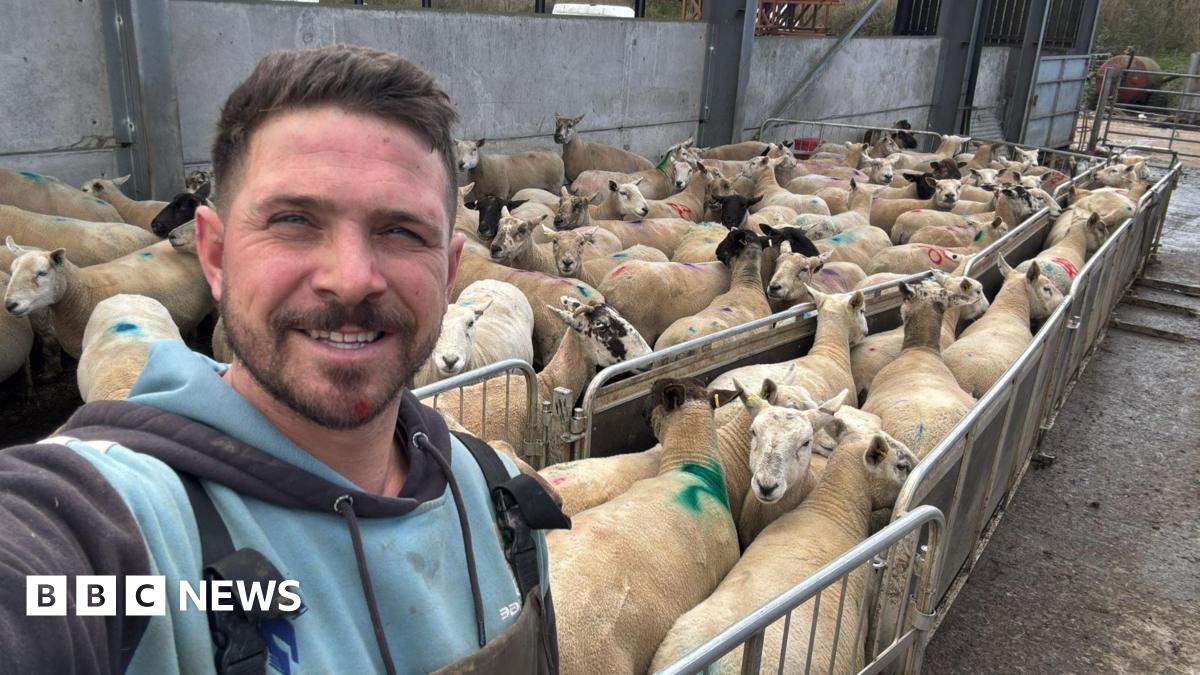
The National Sheep Association carried out a survey of farmers that found that 87% of sheep farmers who responded had experienced a dog attack on their flock in the past year.
Gavin Lane, president of the Country Land and Business Association (CLA), which represents rural landowners, said the law change was a “serious step forward” and that “farmers should not have to live in fear of dogs attacking their animals”.
“No farmer can forget finding an animal they’ve cared for in pain,” he added.