
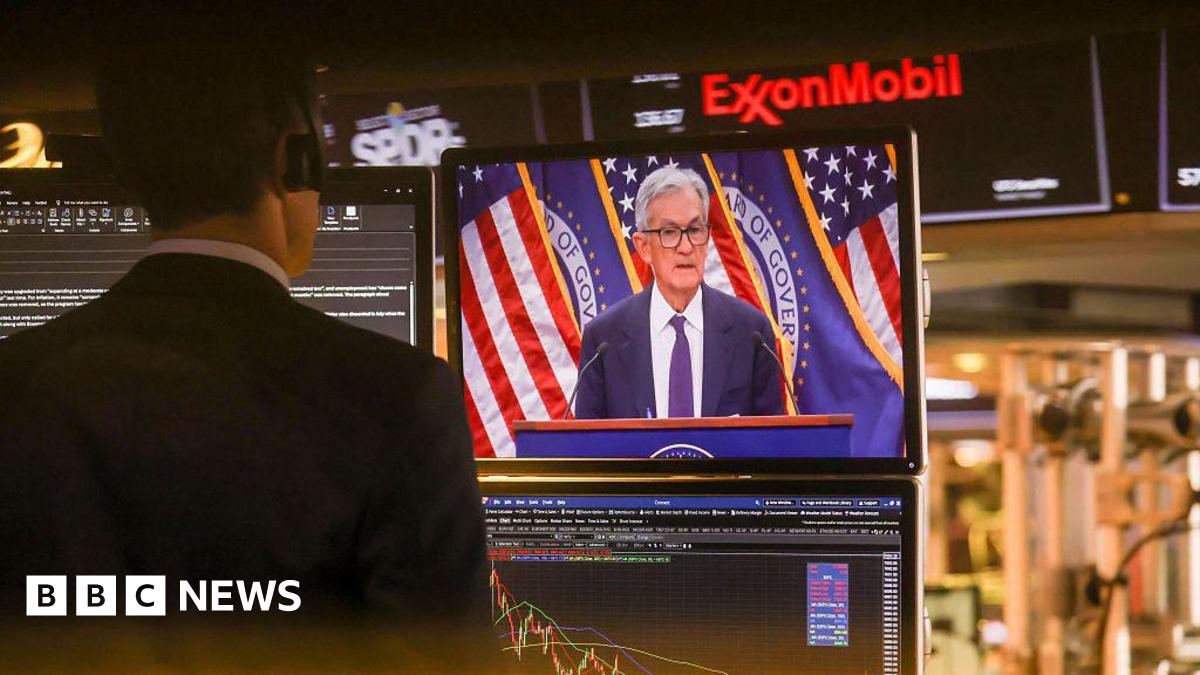
The Fed typically lowers borrowing costs when it sees unemployment rising and wants to boost the economy. It raises them when it is worried about inflation, hoping higher borrowing costs will ease spending and slow down price rises.
But an economic picture muddied in part by abrupt policy changes, such as tariffs, has made it difficult for policymakers to agree on which problem to prioritise.
The war in Iran is the latest, triggering a spike in oil prices that has already driven up gas prices in the US to the highest since 2024.
While that is likely to drive up prices more widely, at least temporarily, it also risks slowing the economy, as households have less money to spend on other things.