
Governments Worldwide Must Take Urgent Action to Stop Executions in Iran
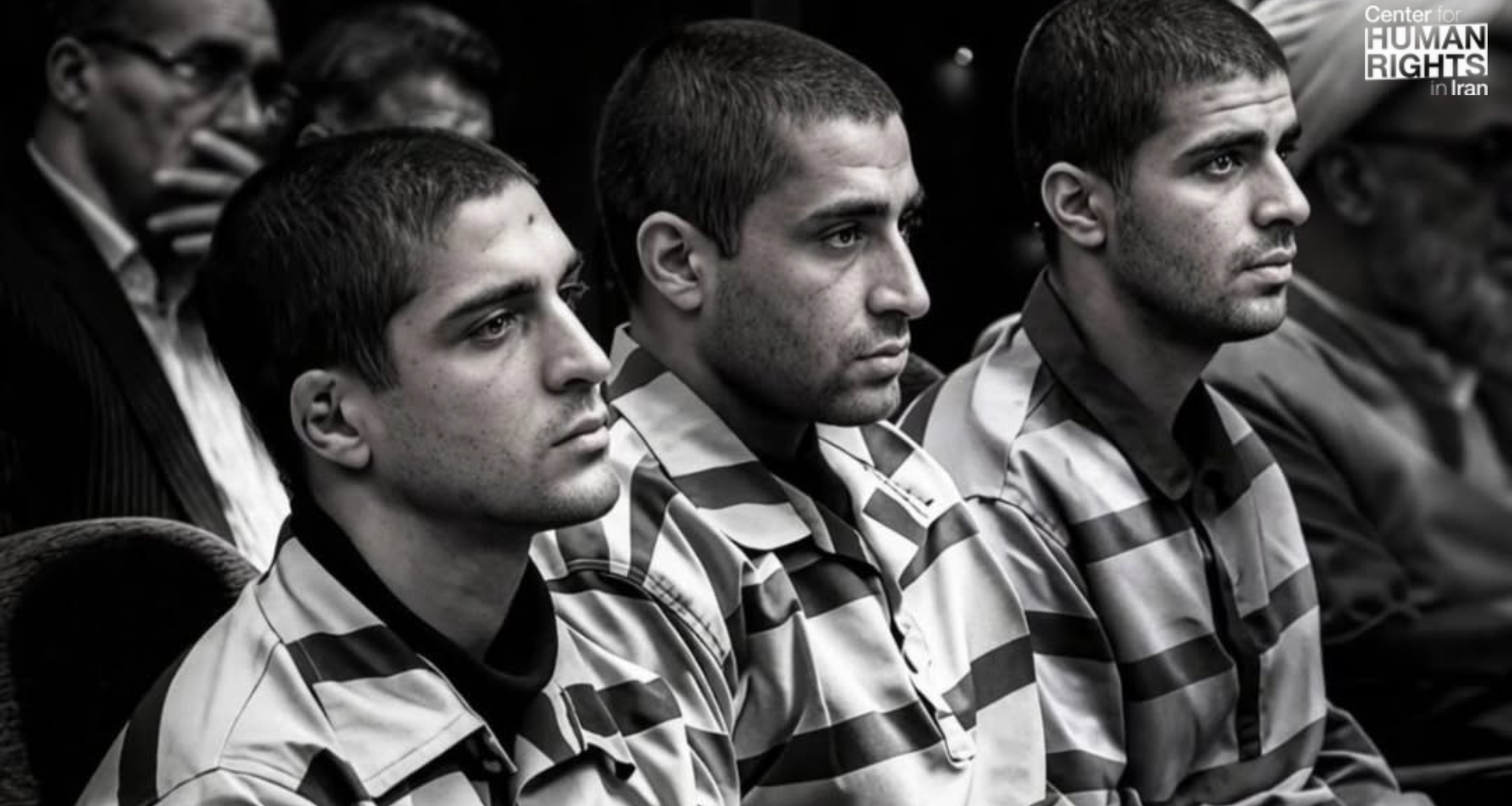
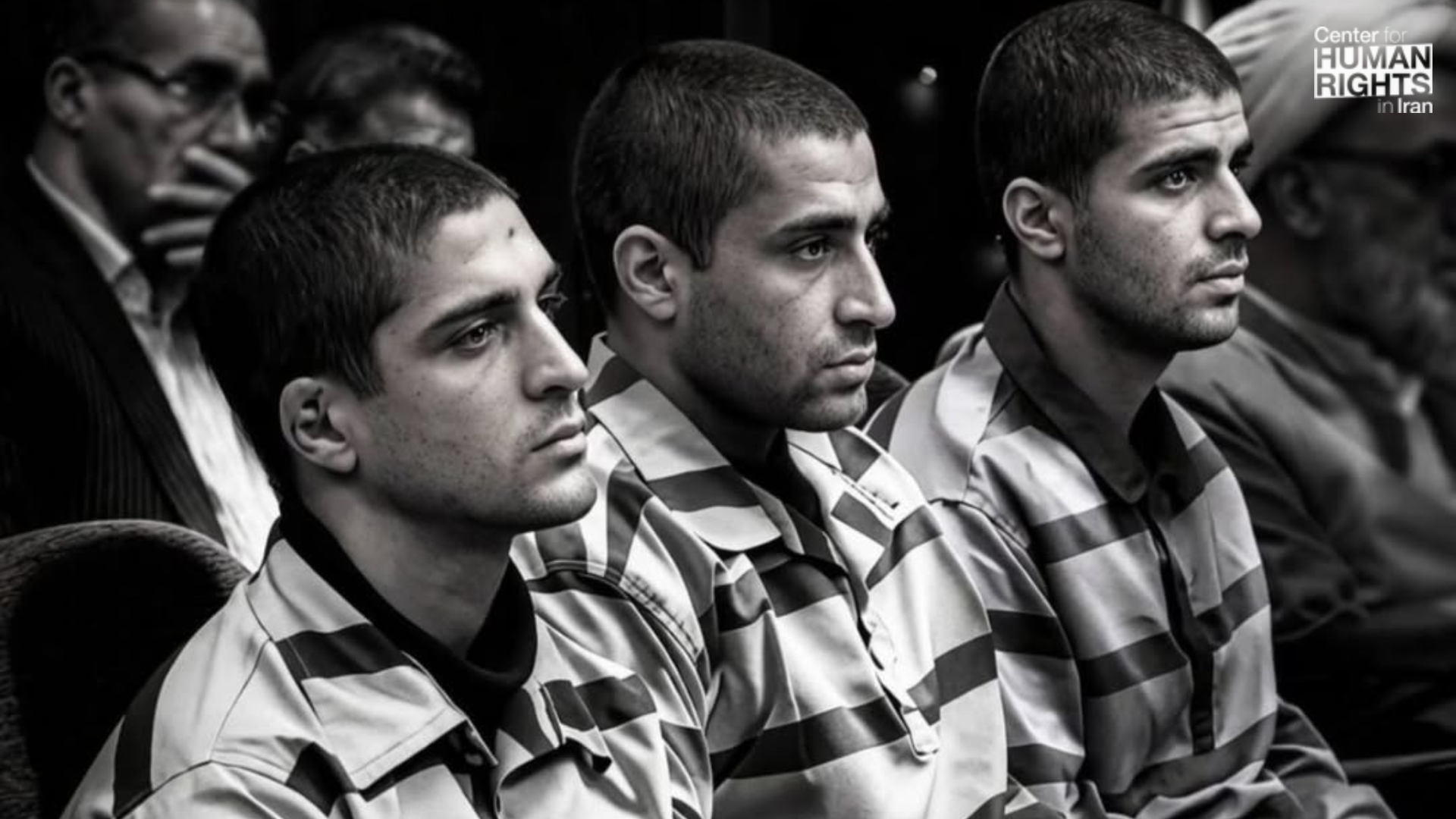
March 19, 2026 — On the morning of March 19, three young men—Saleh Mohammadi, 19, Saeed Davoudi, 21, and Mehdi Ghasemi—who were all arrested during the January protests in Iran, were publicly hanged in Qom after being convicted of “waging war against God,” according to the Iranian judiciary’s Mizan News Agency.
The executions followed grossly unfair trials without any semblance of due process, with forced “confessions” obtained under torture.
Dozens of other protesters arrested in January have been handed death sentences by the regime and remain at risk of similar executions, among them children and teenagers. In addition, tens of thousands of detainees from January, and hundreds of individuals arrested during the current war, are at grave risk of fast-tracked trials that could result in more death sentences.
CHRI calls on the UN and governments worldwide to demand that the Islamic Republic’s authorities immediately halt all executions of any detained protesters or political prisoners.
“Executing these young protesters in public, after sham trials built on torture and forced confessions, is state-sanctioned murder designed to terrorize the population and send a clear message: any act of dissent will be met with death,” said the Center for Human Rights in Iran (CHRI).
“Iran is facing the risk of a catastrophic human rights crisis: thousands arrested during the January protests and amid the war are at serious risk of death sentences, and dozens already condemned could be executed at any moment,” said CHRI.
Saleh Mohammadi, a wrestler who turned 19 in prison on March 11, was sentenced to death by a Qom court on February 4—less than three weeks after his arrest over the alleged killing of a security agent during protests, a charge he denied.
He told the court his “confessions” had been extracted under torture, but the court dismissed his claims and ordered his public execution at the alleged crime scene. A source told Amnesty International that his hands had been fractured from beatings.
A day before, on March 18, another individual, Kouroush Keyvani, a dual Iranian-Swedish national who was arrested during the “12-day war” in June, was hanged on alleged charges of “espionage” for “sending images and information from sensitive locations,” according to the Judiciary’s Mizan News Agency.
The Islamic Republic has long used baseless “espionage” charges to impose harsh sentences, including the death penalty, to terrorize the public and suppress dissent during crises. The risk of such charges amid the ongoing war is extremely grave.